



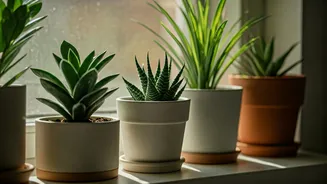


Why Plants Are The Perfect Monsoon Companion
The science behind why plants make us feel good is strong. This innate connection to nature, known as biophilia, has proven psychological benefits. Studies show that the presence of indoor plants can reduce stress, enhance mood, and improve focus. During
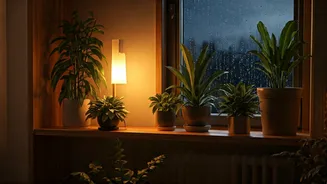
the monsoon, when we spend more time indoors, this connection becomes even more vital. Plants not only add a splash of life and colour to combat the gloom but also help purify the air, which can become stagnant in humid, closed-off homes. The simple act of caring for a plant can provide a therapeutic routine, bringing a sense of purpose and joy.
Monsoon Care Essentials
The rainy season requires a shift in plant care. The biggest dangers are overwatering and fungal infections due to high humidity and low light. Before you water, always check the soil; if the top inch is damp, wait. Ensure your pots have excellent drainage to prevent root rot, the most common monsoon ailment. Good air circulation is also key, so try to space plants apart and keep them in a well-ventilated area. A little preventative care, like occasionally using a natural fungicide like neem oil, can keep pests and diseases at bay.
The Indestructible ZZ Plant
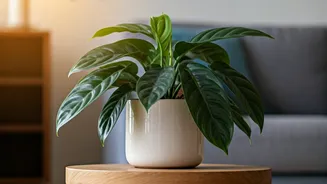
If you're a notorious plant-killer, the Zamioculcas zamiifolia, or ZZ Plant, is for you. It’s famous for being nearly indestructible, thriving on neglect. Its waxy, dark green leaves look polished and bring a touch of sophisticated drama to dim corners. The ZZ plant is an excellent choice for low-light conditions and is extremely drought-tolerant, making it perfect for forgetful waterers and the reduced sunlight of monsoon. It's also a powerful air purifier, adept at removing toxins from the air.
The Hardy Snake Plant
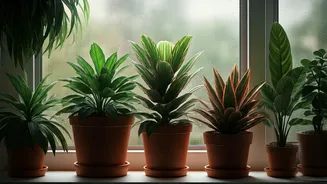
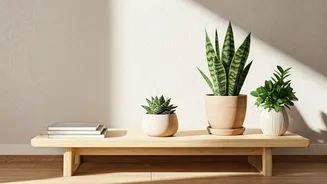
The Snake Plant (Sansevieria trifasciata) is another champion of low-maintenance indoor gardening. Its stiff, upright leaves provide a strong architectural element to any room. It tolerates low light exceptionally well and is more likely to suffer from overwatering than underwatering. This makes it an ideal plant for the monsoon season. A key benefit of the Snake Plant is its ability to convert carbon dioxide into oxygen at night, making it a perfect addition to bedrooms for cleaner air while you sleep.
The Versatile Money Plant (Pothos)
A staple in many Indian homes, the Money Plant, or Pothos, is incredibly easy to grow and adaptable. Its trailing vines can be left to hang from shelves or trained to climb, adding a lush, cascading effect. Pothos is very forgiving and thrives in the high humidity of the monsoon. While it prefers bright, indirect light, it tolerates lower light levels, although the variegation on its leaves may become less pronounced. It's also known to be a great air purifier.
The Elegant Peace Lily
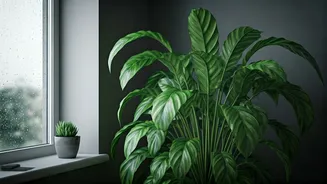
For those who want a flowering plant that doesn't demand direct sun, the Peace Lily (Spathiphyllum) is a superb choice. It produces beautiful white blooms and has glossy, deep green leaves. Peace Lilies love shade and humidity, making them well-suited for the Indian monsoon. One of their most helpful features is that they visibly droop when thirsty, taking the guesswork out of watering. According to NASA's research, they are fantastic at removing common household toxins from the air.
The Lush Areca Palm
To create a truly tropical feel indoors, look no further than the Areca Palm. Its feathery, arching fronds add instant life and volume to a space. While it appreciates bright, indirect light, it can adapt to medium-light conditions. The Areca Palm is also known as an excellent natural humidifier, which can help balance the indoor atmosphere. It requires consistently moist soil, but good drainage is crucial to prevent waterlogging, especially during the wetter months.