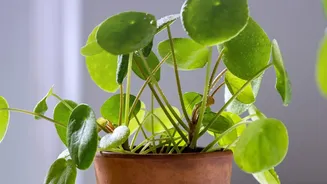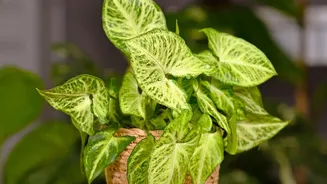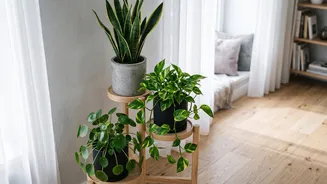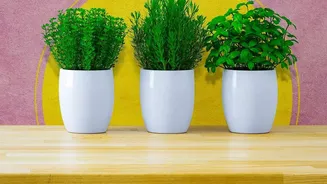


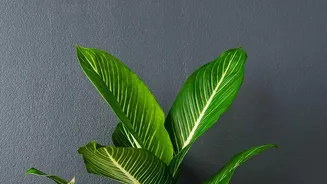
Start Small and Simple
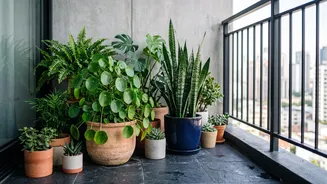
One of the most common beginner mistakes is buying too many plants at once. It's exciting, but it can quickly lead to feeling overwhelmed. Instead, start with just three or four plants. This allows you to learn their individual needs without the pressure
of a large garden. A few pots on a balcony or a sunny windowsill are perfect. Choose a spot that is convenient to access for watering and care; if it's out of sight, it might be out of mind.
Choose the Right Plants
Success begins with choosing plants that suit your environment. For beginners in India, it's wise to start with easy-to-grow, resilient varieties. Herbs like Tulsi (Holy Basil), mint (pudina), and coriander are excellent choices. For flowers, marigolds, hibiscus, and bougainvillea are hardy and thrive in containers on a sunny balcony. If you're interested in vegetables, start with tomatoes, chillies, and spinach, which are known to be productive in pots. Always consider your local climate and the current season.
Understand Your Sunlight
Before you buy a single seed, observe your space. Notice which areas get sunlight in the morning versus the afternoon. Most flowering plants and vegetables need at least five to six hours of direct sunlight to thrive. A south or west-facing balcony is often ideal for sun-loving plants. If your space is shadier, you can still grow many leafy greens and herbs that are happy with less direct light. Matching the plant to the light you have is a non-negotiable step for success.
Get the Soil and Pot Right
Don't use heavy, dense soil from the ground in your pots. Container plants need a well-draining potting mix to prevent their roots from rotting. A good combination for beginners is a mix of coco peat, compost (like vermicompost), and a small amount of garden soil. This blend holds moisture without becoming waterlogged. Just as important is the pot itself. Ensure any container you use has drainage holes at the bottom. This allows excess water to escape, which is crucial for plant health.
Master the Art of Watering
More beginner plants die from overwatering than underwatering. Instead of watering on a strict schedule, check the soil first. Stick your finger about an inch or two into the soil. If it feels dry, it's time to water. If it's still moist, wait another day. Plants in containers dry out faster, especially during hot Indian summers, and may need daily watering. It's best to water early in the morning or late in the evening to reduce evaporation.
Feed Your Plants Occasionally
Soil in pots has limited nutrients, so your plants will eventually need a little boost. You don't need complex chemical fertilizers to start. Organic options like compost or vermicompost are excellent. You can add a handful to your pots every three to four weeks during the growing season to replenish nutrients. This simple step will support healthy growth, stronger leaves, and better flowers or fruit without the risk of burning your young plants.