



The Rise of 'Slow Travel'
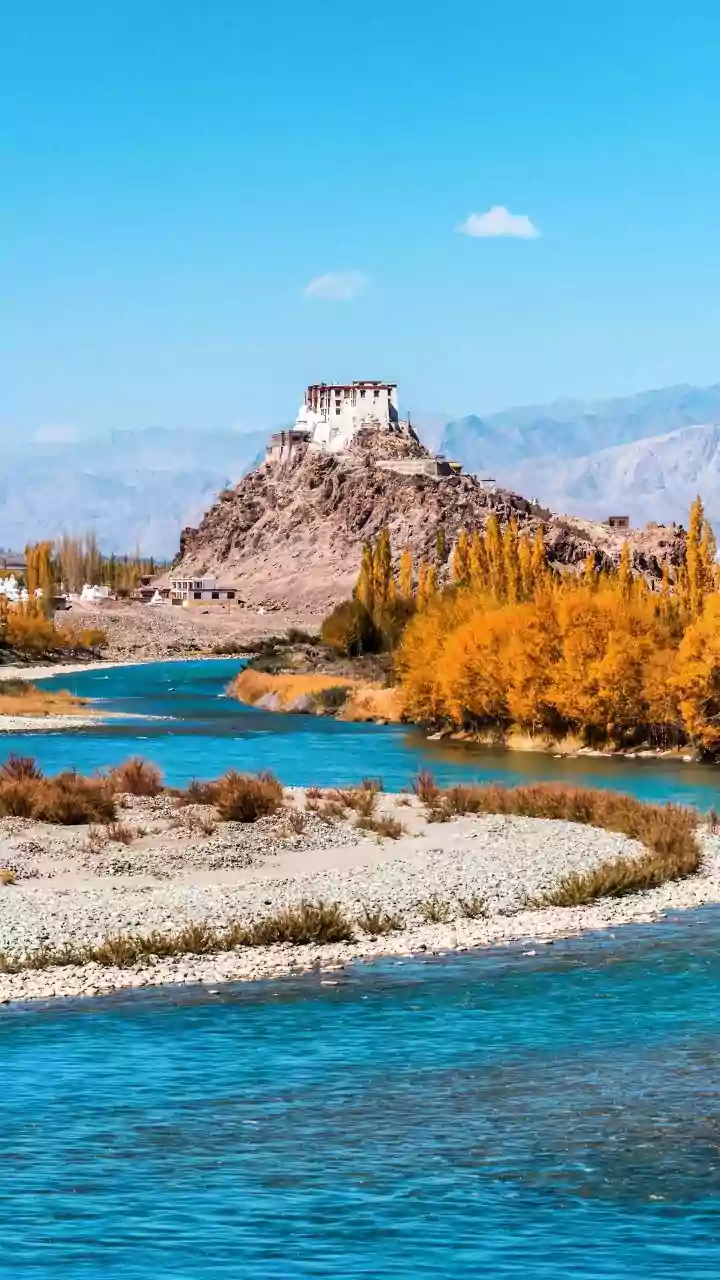
The biggest shift in Indian travel isn't about where people are going, but how. The concept of 'slow travel' is gaining serious momentum, especially among younger travellers and those with flexible work schedules. This approach encourages spending more
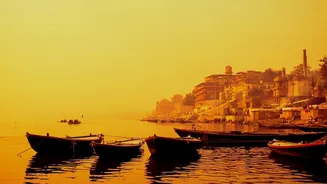
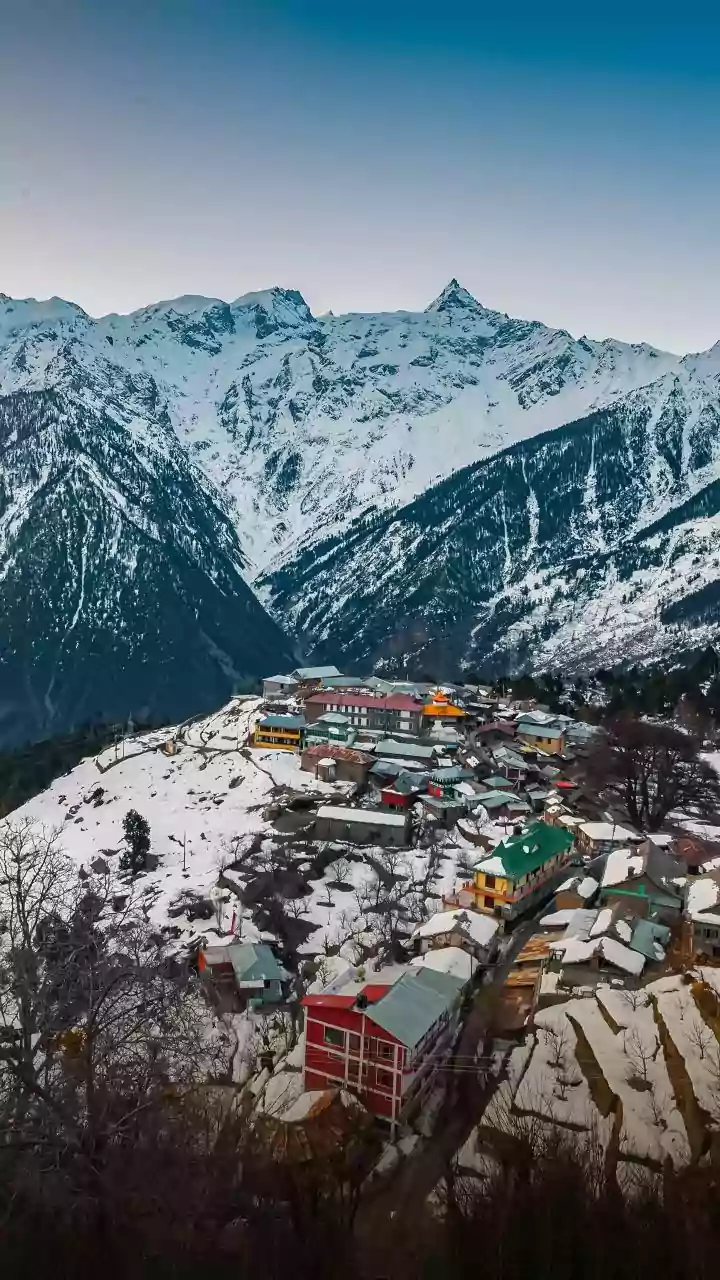
time in fewer locations to truly absorb the atmosphere. Instead of rushing between landmarks, the goal is to connect with a place, whether that means spending a week in a single village, taking local transport, or leaving afternoons entirely unplanned for spontaneous discoveries. This change is a direct reaction to the burnout of tightly packed schedules. Travellers are returning from holidays feeling refreshed, not exhausted, having formed real connections. Reports show a clear preference for slower, more open-ended trips, with a focus on rest and personal experiences over rigid plans. This has led to a rise in longer stays of 10 to 14 days and a growing interest in off-peak travel to avoid crowds and have a more authentic experience.
Culture is the New Souvenir
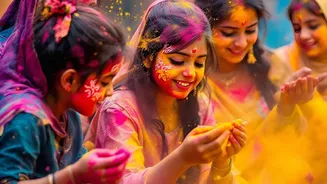
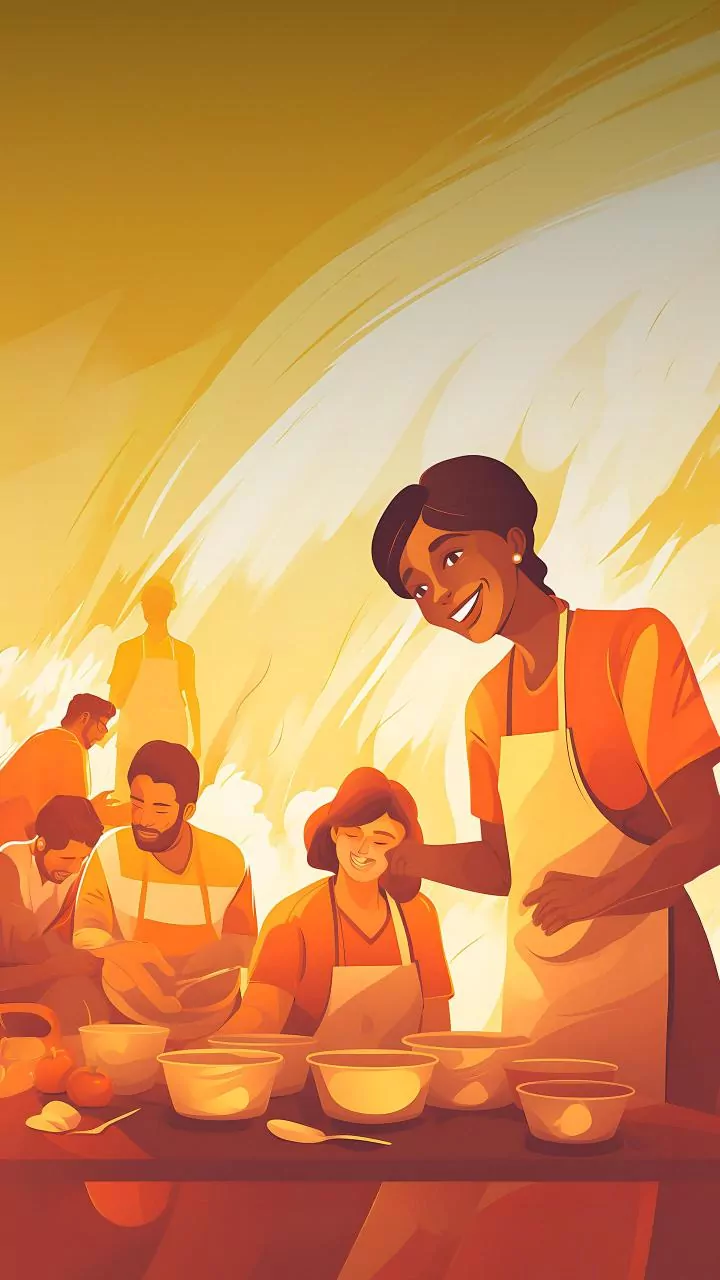
For a growing number of Indian tourists, the main reason for a trip is no longer the destination itself, but the cultural experience it offers. According to recent surveys, an overwhelming majority of travellers have a greater interest in cultural travel within India, and many actively plan their entire holiday around a specific cultural goal. This could mean attending a festival like Durga Puja or Ganesh Chaturthi, exploring regional food, or visiting heritage and historical sites. The process has reversed: instead of picking a place and then seeing what's there, travellers are deciding on an experience first and then choosing a destination to match. This desire for authenticity has 95% of young Indian travellers wanting their trips to feel personal and unique. They are seeking out local stories, supporting independent businesses, and immersing themselves in a community's way of life. This has also driven tourism to lesser-known hubs and heritage villages, where one can find experiences that feel untouched by modern life.
The Journey Matters, Not Just the Destination
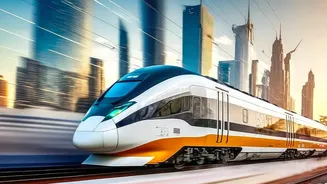
The time spent in transit is no longer seen as a tiresome necessity but as an integral part of the holiday experience. With improved road connectivity and more flexible booking options, scenic drives and train journeys are becoming central to the trip itself. This reflects a broader mindset shift where the journey itself is an opportunity for discovery. Travellers are more willing to take ground transport to access destinations beyond major airport hubs. There's also a logistical consideration at play. With many travellers now opting for shorter, more frequent trips that fit around work schedules, ease of access has become a major factor. Spontaneous travel is on the rise, with booking windows shrinking significantly. As a result, destinations with easy visa requirements or no visa at all have seen a considerable spike in interest, as they allow for last-minute planning without bureaucratic hurdles.
Your New Travel Blueprint
So, how can you incorporate this new philosophy into your next holiday? Start by reframing the question from 'How many places can I see?' to 'How can I best experience one or two places?'. Prioritise an activity or theme—be it food, nature, or a local festival—and let that guide your destination choice. Build buffer time into your schedule. Resist the urge to plan every single hour; some of the best travel moments come from unplanned wanders. Consider travelling during the 'shoulder season'—the period just before or after the peak tourist rush—for fewer crowds and a more relaxed environment. Finally, think about the journey. Could a scenic train ride be more rewarding than a quick flight? By consciously considering pace, culture, and transit, you can move from being a tourist simply seeing the sights to a traveller truly connecting with a place.