




What Are Functional Foods Anyway?
In simple terms, functional foods are ingredients that offer health benefits beyond basic nutrition. [2, 3, 4] Think of them as foods that do more than just fill you up; they work to improve your well-being. This can include whole, natural foods like
fruits and vegetables, as well as foods fortified with extra vitamins, minerals, probiotics, or fibre. [4, 5] The concept, which first gained formal recognition in Japan in the 1980s, is built on the idea that food can be a tool for preventing disease and enhancing health. [3, 4] For many in India, this isn't a novel idea. It’s the very foundation of Ayurveda and traditional home cooking, where ingredients like turmeric and ginger have been used for their healing properties for centuries. [19, 21, 22]
The Great Kitchen Homecoming
So, why the sudden resurgence? The post-pandemic era has sparked a global shift towards preventive healthcare and holistic wellness. [15, 18] In India, this has translated into a renewed interest in natural, traditional solutions. Consumers are increasingly health-conscious, driven by a desire toT boost immunity, manage lifestyle-related health issues, and find balance in their hectic lives. [8, 14, 15] This growing awareness, coupled with rising disposable incomes, has fuelled a significant expansion in India's functional foods market, which is projected to grow substantially in the coming years. [7, 8] People are moving away from quick fixes and embracing sustainable, lifestyle-led wellness, creating a perfect environment for traditional ingredients to reclaim their starring role. [16, 18]
India's Original Superfood Stars
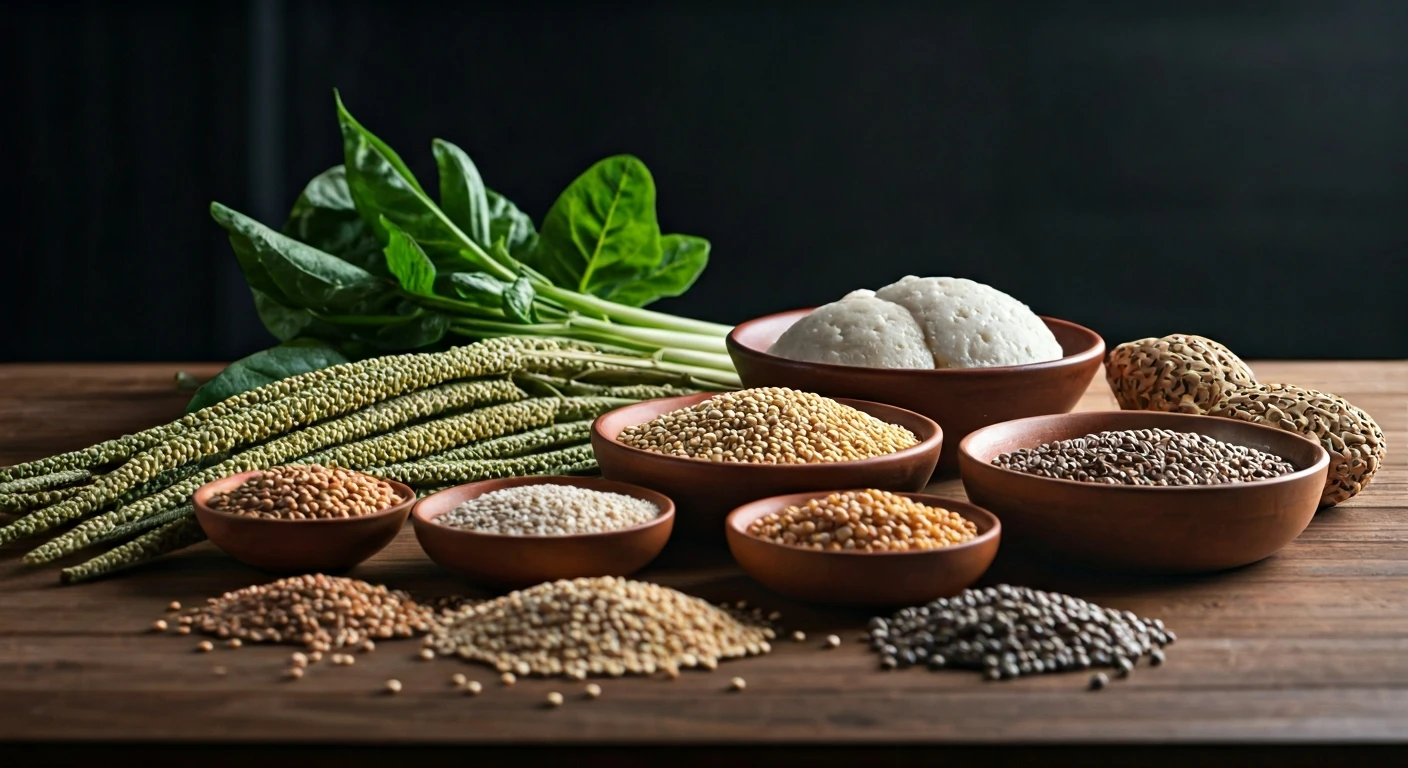
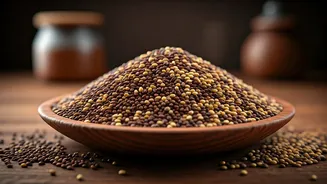
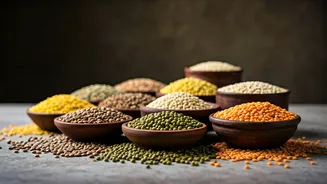
Many of the trendiest functional foods on the global stage are staples in Indian households. Turmeric, our beloved 'haldi', is celebrated for its anti-inflammatory compound, curcumin, which is known to aid digestion and boost immunity. [19, 25] Ashwagandha, or Indian ginseng, is a powerful adaptogen prized for its ability to help the body manage stress and improve mental clarity. [23, 24] Amla, packed with Vitamin C, is a potent antioxidant that supports immune function. [23] Moringa, often called the 'miracle tree', is a nutritional powerhouse rich in vitamins and minerals that help regulate blood sugar and reduce inflammation. [25, 26] And let's not forget millets like jowar and bajra, ancient grains that are making a comeback for being fibre-rich, gluten-free, and incredibly versatile. [11, 12]
From Tradition to Trend
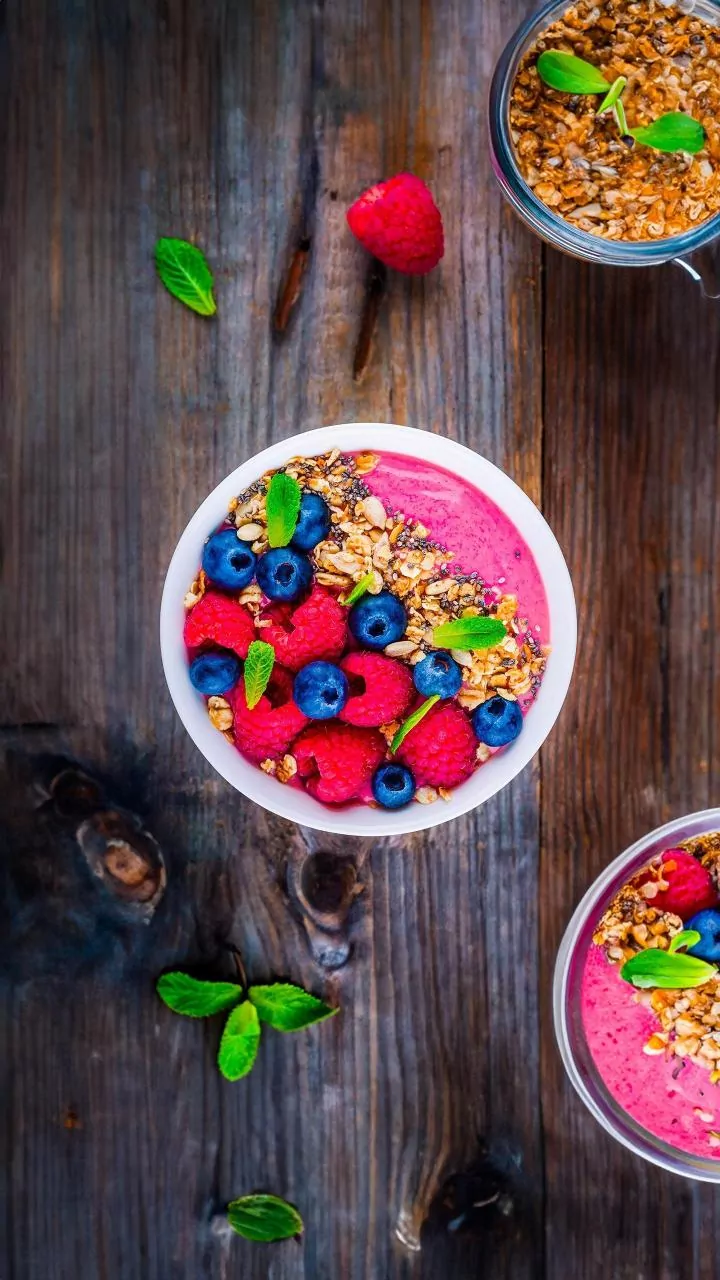
While the ingredients are ancient, their application is becoming increasingly modern. The wellness-savvy urban Indian is incorporating these functional foods in new and creative ways. Turmeric is no longer just for curries; it's the star of 'golden lattes'. Ashwagandha powder is being blended into morning smoothies and protein shakes. [20] Moringa is finding its way into energy bars and green juices. This fusion of tradition and trend makes it easier than ever to integrate these powerful ingredients into a busy lifestyle. It reflects a broader cultural shift where consumers are seeking convenience without compromising on health, demanding products with clean labels and proven benefits. [9, 14]
A Mindful and Balanced Approach
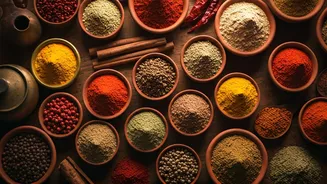
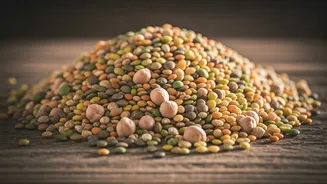
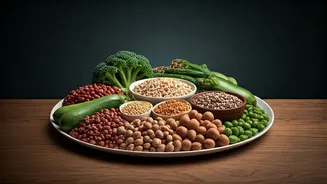
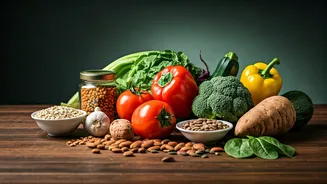
Embracing functional foods doesn't require a complete overhaul of your diet. It's about making small, intentional additions. Start by consciously using the spices already in your masala dabba. Add a pinch of turmeric to your milk, grate fresh ginger into your tea, or sprinkle moringa powder over your dal. [25] The key is consistency and balance. Rather than chasing every new trend, focus on incorporating a variety of whole, nutrient-dense foods into your regular meals. [5] Traditional Indian meals, with their emphasis on lentils, vegetables, whole grains, and spices, are inherently functional. [11, 12] This return to functional foods is ultimately a return to a more mindful way of eating.