







Why Monsoons Weaken Your Digestion
Traditionally, the rainy season, or *Varsha Ritu* in Ayurveda, is considered a time when our digestive fire, or *agni*, is at its weakest. The damp, humid weather slows down our metabolism, making it harder for our bodies to digest food efficiently. This
isn't just ancient wisdom; modern science backs it up. High humidity can impact our body's hydration levels and digestive enzyme function. Furthermore, the monsoon creates a breeding ground for bacteria and viruses, increasing the risk of water-borne and food-borne infections like diarrhoea, typhoid, and cholera. This combination of a sluggish digestive system and a higher threat of contamination means our bodies are fighting a battle on two fronts.
Meet Your Inner Army: The Gut Microbiome
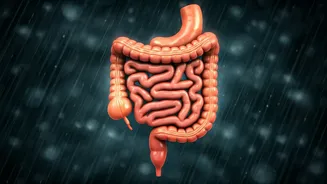
Here's where the new thinking comes in. When we talk about "gut health," we're really talking about the trillions of tiny microorganisms living in our digestive tract, known as the gut microbiome. Think of it as a complex internal ecosystem or an army residing within you. A balanced and diverse microbiome is crucial because it does more than just help digest food. It manufactures essential vitamins, communicates with our brain, and, most importantly, trains and regulates about 70-80% of our immune system. When your gut is happy, your immune cells are better equipped to identify and fight off invading pathogens. When it's out of balance, your defences are down, making you more susceptible to those classic monsoon illnesses.
Building Your Gut Fortress This Season
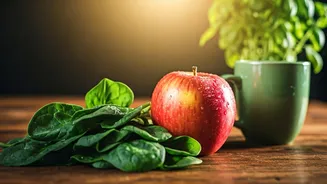
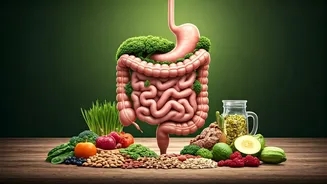
So, if monsoon wellness is gut defence, how do you build your fortress? It starts with being mindful of what you eat. The goal is to support your weakened digestion and nourish the good bacteria. This means shifting away from heavy, oily, and raw foods that are hard to break down. Instead, focus on light, warm, and well-cooked meals. A simple *moong dal khichdi*, steamed vegetables, and nourishing soups are your best friends. These foods are easy on the stomach, providing nutrients without overwhelming your digestive system. It’s also wise to limit street food, no matter how tempting the *chaat* and *bhutta* may be. The risk of contamination is simply too high when your internal defences are already working overtime.
Probiotics and Prebiotics: The Dynamic Duo
To actively support your gut army, you need to recruit more soldiers (probiotics) and feed the ones you have (prebiotics). Probiotics are live, beneficial bacteria found in fermented foods. Including a daily portion of homemade curd (*dahi*), buttermilk (*chaas*), or fermented foods like idli and dosa can replenish your gut with these helpful microbes. Prebiotics are types of fibre that feed your good bacteria. You can find them in garlic, onions, bananas, and whole grains like oats and barley. A simple bowl of oatmeal for breakfast or adding extra garlic to your *dal tadka* can go a long way in keeping your gut microbiome well-fed and thriving.
Smarter Sips and Spices
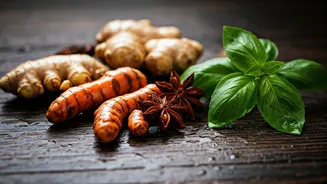
What you drink is just as important. Ensure you're drinking boiled or properly filtered water to avoid contaminants. Instead of cold beverages that can further dampen your digestive fire, opt for warm herbal teas. Spices are not just for flavour; they are potent digestive aids. A pinch of turmeric (*haldi*) in your milk or food provides anti-inflammatory benefits. Ginger is excellent for soothing indigestion and fighting nausea. A pinch of black pepper helps in the absorption of nutrients, while cumin (*jeera*) and carom seeds (*ajwain*) are well-known for relieving gas and bloating. Incorporating these simple spices into your daily cooking is an easy and effective way to fortify your gut.