






An Ancient System for Modern Life
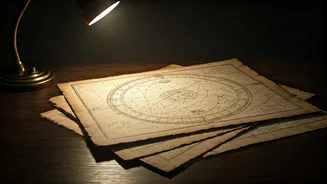
For centuries, the Panchang has been the backbone of Hindu life. The term itself comes from the Sanskrit for "five limbs" (pancha-anga), referring to the five key measurements it tracks daily: Tithi (the lunar day), Vaara (the weekday), Nakshatra (the constellation
the moon occupies), Yoga (a luni-solar calculation), and Karana (half a lunar day). [7, 9] This traditional Hindu almanac is far more than a simple calendar; it's an astrological guide used to determine the most favourable times (muhurat) for everything from weddings and starting a business to travel and religious ceremonies. [5, 11] By consulting the Panchang, individuals aim to align their actions with cosmic rhythms to enhance the likelihood of success and harmony. [9, 12]
The Rise of Digital India
The context for this digital transformation is India's staggering adoption of technology. As of early 2025, the country had over 800 million internet users and more than 1.1 billion active mobile connections. [10] With approximately 85% of households owning a smartphone, India has firmly established itself as a mobile-first nation. [17] This digital revolution, powered by affordable data and widespread smartphone access, has fundamentally changed how Indians work, shop, communicate, and even practice their faith. [14] What was once confined to physical calendars, almanacs, or consultations with a family priest is now accessible with a single tap.
From Paper Almanacs to Pixelated Guides
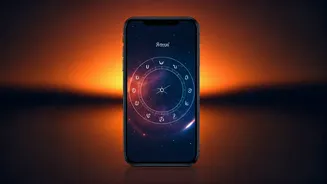
This mobile-first culture has created fertile ground for a booming faith-tech and astrology app market. The Indian astrology app market was valued at over $200 million in 2025 and is projected to grow at an astonishing compound annual growth rate of nearly 50%. [14] The COVID-19 pandemic acted as a major catalyst, with some platforms reporting a surge of up to 500% in calls and subscriptions as people sought answers and reassurance during a time of uncertainty. [15] Today, app stores are filled with options that offer not just the daily Panchang, but a suite of services including personalised horoscopes, live consultations with astrologers, and even virtual temple visits (darshan) and pujas. [13] Vedic astrology, the system underlying the Panchang, dominates this digital space. [20]
Convenience, Privacy, and Personalisation
The appeal of these apps, especially among younger, urban Indians, is multi-faceted. The primary driver is convenience—instant access to guidance 24/7, without the need to schedule an appointment with a traditional pundit. [14] These apps also offer a layer of privacy for users who may feel hesitant about discussing personal matters like career or relationships in a face-to-face setting. Furthermore, the digital format allows for a high degree of personalisation, from location-specific Panchang calculations to AI-generated readings based on an individual's birth chart. [4] This blend of accessibility and customisation has turned what was once a community or family-based practice into a deeply personal, on-demand experience.
A Reflection of Modern India
The digital boom for Panchang and astrology apps isn't about replacing tradition. Instead, it's about extending it into a new era. It demonstrates that for many, faith is not fading but scaling—finding new distribution channels through technology. [19] This trend is a perfect microcosm of contemporary India, a society that seamlessly integrates ancient traditions with cutting-edge technology. It shows a deep-seated desire to remain connected to cultural roots while embracing the conveniences of modern life. The pocket Panchang is more than just an app; it's a symbol of how an ancient worldview is adapting, thriving, and finding new relevance in the world's largest digital democracy.