





How Heat Directly Impacts Milk Production
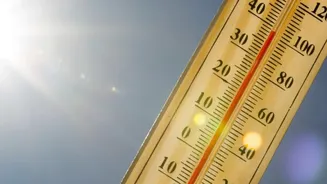
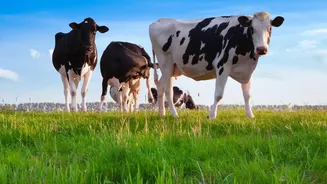
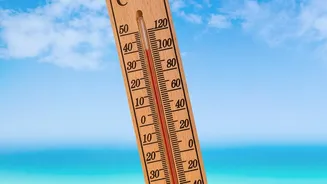
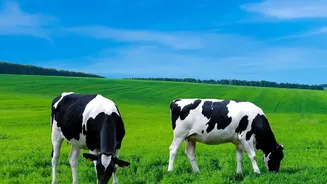
Cows and buffaloes are sensitive to their environment. When the Temperature-Humidity Index (THI) rises, particularly above 27°C, animals begin to experience heat stress. This is especially true for high-yielding crossbred cattle, which generate more metabolic
heat. Under stress, a cow's body diverts energy from milk production to simply trying to stay cool. This leads to reduced feed intake, panting, and dehydration. The direct consequence is a drop in milk yield, which farmers report can be as high as 25-30% during peak summer months. Studies show that extreme temperature variations can cause milk production to fall for several days, affecting not just the quantity but also the quality, by reducing fat and protein content. This directly impacts the price farmers receive for their milk.
The Vicious Cycle of Fodder and Disease
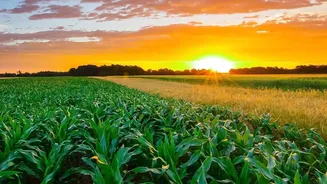
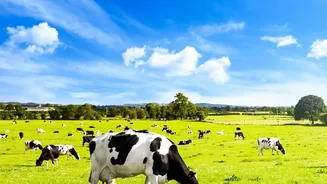
Weather stress isn't just about the direct impact of heat on animals; it also creates a severe fodder crisis. Erratic monsoons, droughts, and prolonged heatwaves reduce the growth of green fodder crops like maize and sorghum. This scarcity has caused fodder prices to skyrocket in some regions, sometimes tripling in cost and forcing farmers to sell their cattle at low prices. With less affordable green fodder, farmers often turn to lower-quality dry husk, which lacks essential nutrients. At the same time, changing weather patterns—such as unseasonal heavy rainfall and increased humidity—create ideal breeding grounds for disease-carrying vectors like flies and ticks. This has been linked to the spread of illnesses like Lumpy Skin Disease (LSD), which can be devastating for cattle health and further reduces milk output.
The Economic Squeeze on 80 Million Farmers
The dairy sector is the backbone of India's rural economy, supporting over 80 million farming households. For these small and marginal farmers, weather stress creates a painful economic squeeze. Their income from milk sales drops due to lower yields and quality, while their expenses rise. They have to spend more on trying to keep animals cool with fans or misters, purchasing expensive fodder, and paying for increased veterinary care to deal with heat-induced illnesses and infertility. One farmer in Moradabad noted that while his investment in fodder and care rises during summer, his profits can be cut in half. This double burden threatens the livelihoods of millions who rely on a few animals for a steady income.
From the Farm to Your Daily Chai
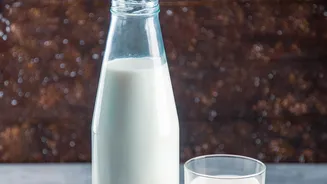
While farmers are on the front lines, the ripple effects of weather stress eventually reach consumers. India's dairy industry is highly decentralised, and unlike other commodities, milk cannot be easily imported to stabilise prices. A drop in production, even by a few percentage points, can disrupt the supply chain. Dairy cooperatives have already expressed concerns about dips in milk procurement during extreme heatwaves. Projections estimate that India already loses over 3 million tonnes of milk annually due to heat stress, a figure that could rise significantly if warming continues. Ultimately, this sustained pressure on supply can translate into higher milk prices for households across the country, affecting everything from daily chai to festive sweets.
Searching for Climate-Resilient Solutions
Addressing this challenge requires a multi-pronged approach. Experts are focused on both adaptation and mitigation. This includes promoting indigenous cattle breeds, which are naturally more resilient to heat than many crossbred varieties. On the farm, strategies involve building better-ventilated sheds, using cooling systems like sprinklers, and adjusting feeding schedules to cooler parts of the day. Innovations in fodder, such as hydroponically grown feeds that are more palatable in the heat, also offer a promising alternative. Furthermore, government initiatives like the National Livestock Mission are working on improving breed and feed development. However, scaling these solutions and providing timely support to vulnerable farmers remains a critical step in securing the future of India's milk supply in a warming world.