

From Afterthought to Main Attraction
For decades, the solo diner was an operational puzzle for restaurants built around couples and groups. Often relegated to a poorly placed table near the kitchen door, they were an exception in an industry that prioritized communal experiences. That picture
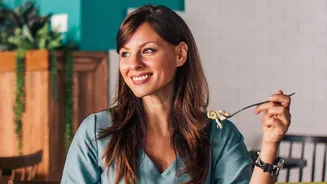
is now being redrawn. Driven by societal shifts and savvy business sense, restaurants from bustling urban cafes in Delhi to fine-dining establishments in Paris are embracing the solo diner not as a compromise, but as a valued customer. This change reflects a wider cultural acceptance of doing things alone, transforming what was once seen as a sign of loneliness into an act of self-care and independence. In India, where communal dining is deeply ingrained, this trend is particularly noticeable in metropolitan areas, led by young professionals who value personal time and flexibility.
Designing the Solo Experience
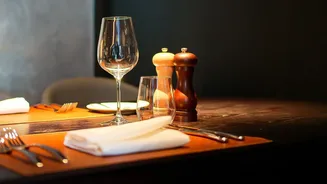
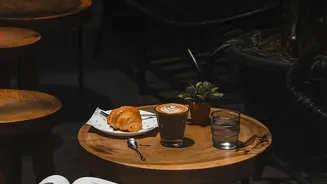
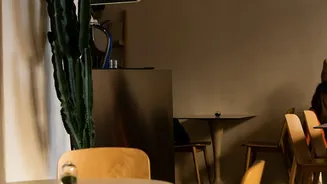
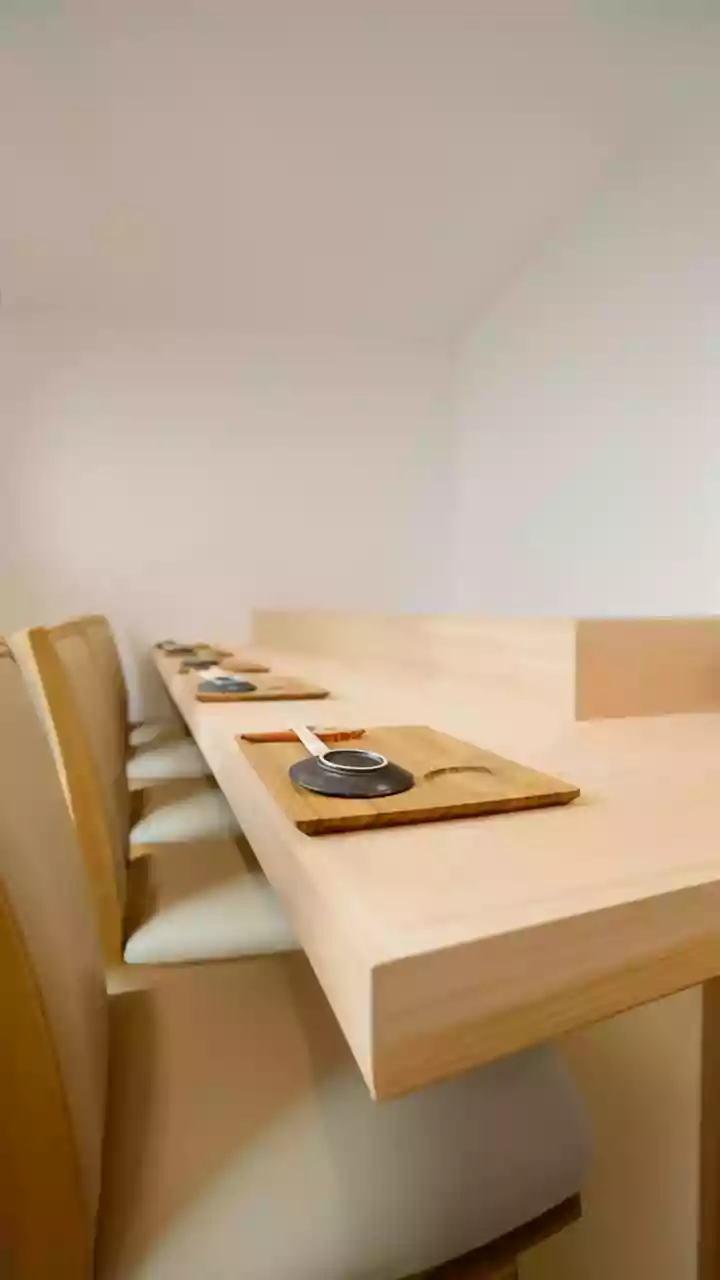
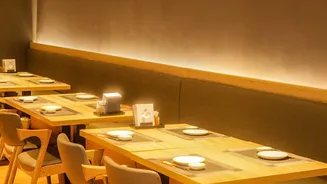
The most visible change is in the physical layout of dining rooms. Awkwardly large tables for one are being replaced with more thoughtful seating. Counter and bar seating are now prime real estate, offering a casual atmosphere and a chance to interact with bartenders or watch chefs at work. Some restaurants are installing window-facing counters, providing a view and a sense of connection without feeling exposed. Lighting is also being used strategically to create cozy, intimate nooks that give solo patrons a sense of privacy. It's no longer about hiding the single diner, but about creating an environment where they feel comfortable and catered to, whether they want to read a book, people-watch, or simply enjoy their own company. The goal is to make the space feel immersive, not isolating.
A Menu for Me, Myself, and I
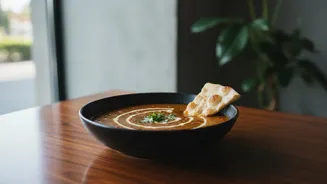
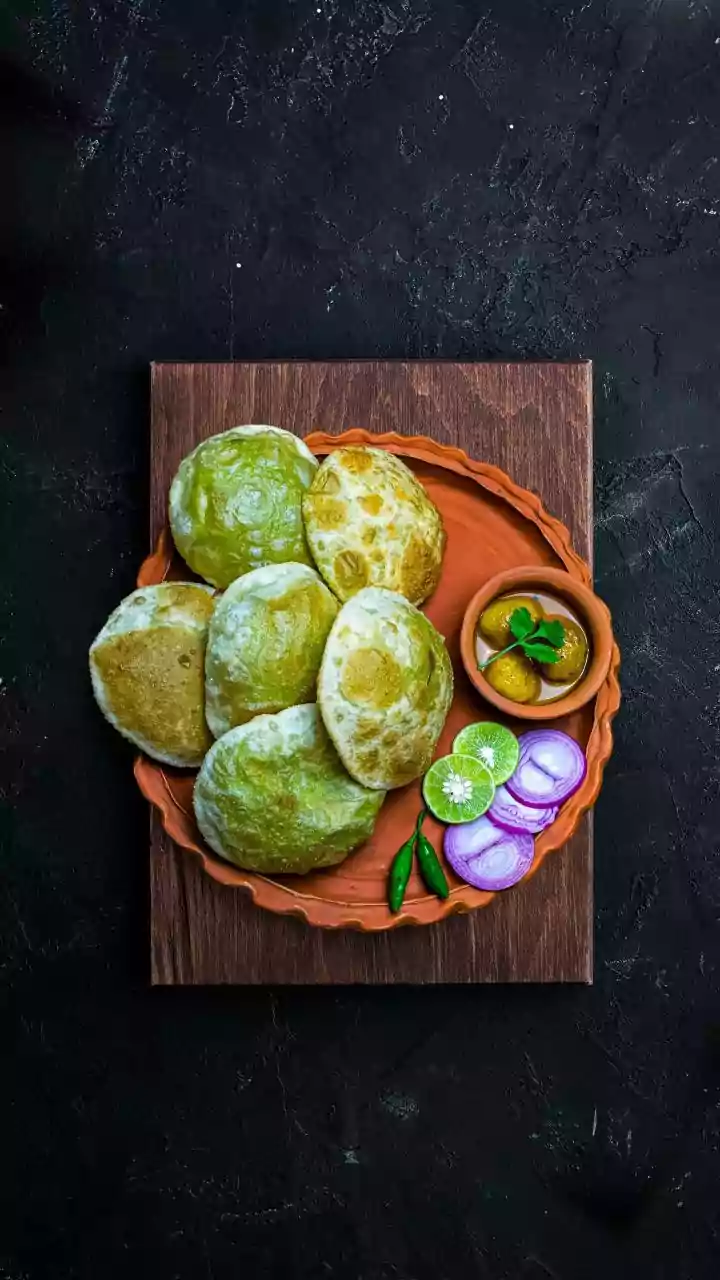
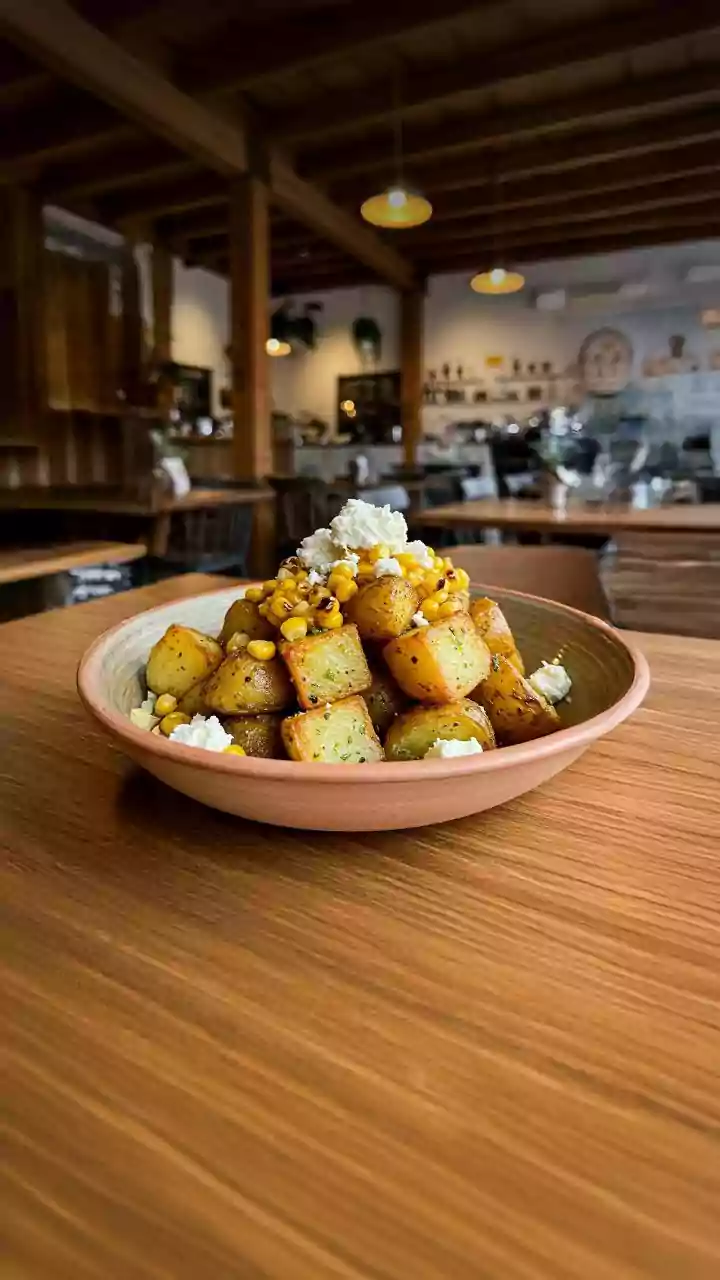
The solo-diner shift extends beyond decor and into the very heart of the restaurant: the menu. Chefs and restaurateurs are recognizing that menus designed for sharing can be frustrating for individuals. In response, many are introducing smaller portions, half-plates, and tasting menus designed for one. This allows a solo diner to sample multiple dishes and enjoy a varied, high-quality experience without over-ordering or feeling limited. This approach not only reduces food waste but also empowers the diner to curate their perfect meal. In places like Noida, chefs are recalibrating entire menus with tasting formats and mix-and-match options, ensuring a solo diner never feels like an exception.
The Business of Dining Alone
Welcoming solo diners isn't just good hospitality; it's smart business. Studies and industry reports show that this demographic is surprisingly profitable. Solo diners can turn tables faster and, in some cases, spend more per person than individuals in a group. They are also a valuable asset during off-peak hours, filling seats that might otherwise remain empty. As the number of single-person households rises globally and more people work flexible hours, the market for solo dining is projected to grow significantly. Restaurants that adapt are tapping into a loyal customer base that views dining out as a regular form of self-care, not just a special occasion.
Why Now? A Cultural Recalibration
The rise of the solo diner is not happening in a vacuum. It is a symptom of broader cultural trends, including urbanization, the increase in single-person households, and the destigmatization of solitude. For many, especially Millennials and Gen Z, choosing to eat alone is an intentional act of self-care—a moment to disconnect from a hyper-connected world and savor an experience without distraction. Psychologically, the old stigma is fading as people realize the 'spotlight effect'—the belief that everyone is watching you—is mostly in their own head. Eating alone is being reframed as an opportunity for mindfulness, a chance to truly taste the food and enjoy the moment on one's own terms.