



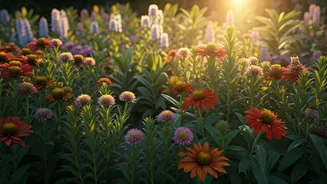


The Great Garden Reset
For decades, the ideal Indian garden was often a borrowed dream, filled with English roses, American lawns, and other foreign ornamentals that demanded constant watering, pesticides, and care. While beautiful, these gardens were often ecological deserts,
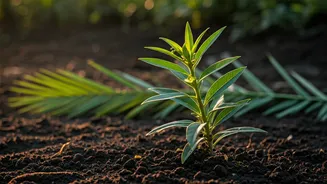
offering little to local birds, bees, and butterflies. Today, a growing number of gardeners are looking inwards. They are embracing plants that have evolved in our own climate and soil for millennia. This isn't just a trend; it's a fundamental shift in perspective, moving from seeing a garden as a decoration to viewing it as a living, breathing ecosystem that connects us to our natural heritage.
Why Your Garden Needs a Local Touch
Choosing native plants is one of the most impactful environmental decisions you can make in your own backyard. These plants are perfectly adapted to our local conditions, meaning they require significantly less water—a crucial benefit in a water-stressed country. They are also naturally resistant to local pests and diseases, drastically reducing the need for chemical pesticides that can harm pollinators and leach into the soil. Most importantly, native plants provide the specific food and shelter that our local wildlife needs to thrive. Your Parijat tree might be a feast for a particular species of moth, while the flowers of a Karvi shrub are a lifeline for native bees.
Building a Backyard Sanctuary
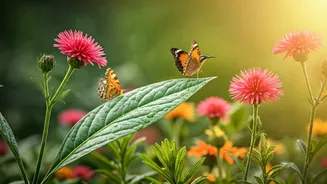
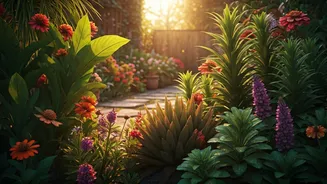
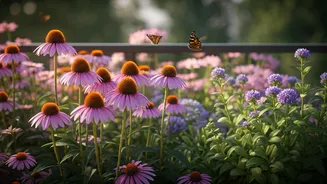
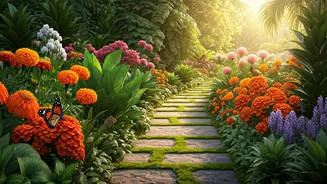
When you plant native species, you’re not just gardening; you’re rewilding. You are creating a small but vital habitat patch that helps form a larger ecological corridor for urban wildlife. A garden filled with a diversity of native flowers, shrubs, and trees becomes a bustling hub of activity. You’ll start to notice more birds visiting, a wider variety of butterflies flitting between blossoms, and the gentle hum of native bees. This transformation turns your balcony or yard from a static display into a dynamic mini-sanctuary, offering a daily connection to the rhythms of nature that is often lost in city life.
Five Native Stars to Get You Started
Ready to go native? You don't have to overhaul your entire garden at once. Start with a few of these easy-to-grow, beautiful Indian natives: 1. **Parijat (Night-flowering Jasmine):** Famous for its fragrant white and orange flowers that carpet the ground in the morning, this small tree is a magnet for moths and other nocturnal pollinators. 2. **Shankhpushpi (Butterfly Pea):** This vibrant blue-flowered vine is incredibly hardy, drought-tolerant, and its blooms are beloved by bees. It’s also used in traditional medicine. 3. **Marigold (Genda):** While common, many varieties are native to the Americas, but Indian-acclimatised varieties are hardy, cheerful, and excellent at repelling pests naturally. 4. **Tulsi (Holy Basil):** A staple in most Indian homes, Tulsi is a powerhouse. It’s a medicinal herb, attracts pollinators, and is incredibly easy to maintain in a pot. 5. **Curry Leaf (Kadi Patta):** More than just a culinary herb, this small tree supports several species of butterfly, including the Common Mormon, whose caterpillars feed on its leaves.
How to Begin Your Native Journey
Making the switch is simpler than you think. First, **start small**. You don't need to rip everything out. Begin by adding one or two native plants to a pot on your balcony or a small patch in your garden. Second, **observe your space**. Note how much sunlight different areas get and the type of soil you have. This will help you and your local nursery choose the right plants for the right place. Finally, **connect with local nurseries**. Ask them specifically for 'desi' or native plants. Many are now stocking a wider variety as demand grows. They can provide the best advice for what will thrive in your specific micro-climate.