





What Are the Orionids?
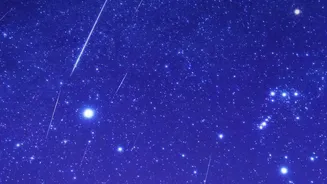
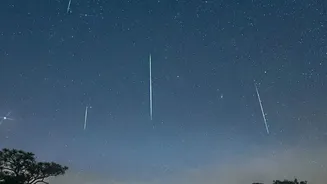
The Orionid meteor shower is an annual event caused when Earth passes through the trail of debris left by one of the most famous comets in history: Halley's Comet. These tiny pieces of rock and ice, shed by the comet on its 76-year journey around the sun,
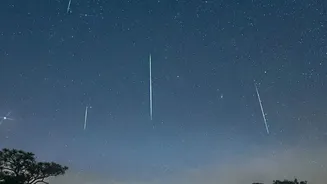
burn up as they enter our atmosphere at incredible speeds, creating the streaks of light we call 'shooting stars'. The Orionids are known for being particularly fast and bright, travelling at about 66 kilometres per second, and can sometimes leave glowing trails that linger for a few moments. The shower gets its name because the meteors appear to radiate from a point in the constellation Orion, the Hunter.
When to Watch in 2026
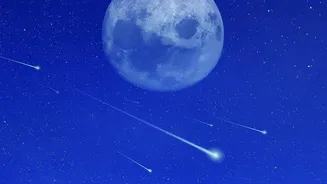
The key to any meteor shower is timing. For 2026, the Orionids will peak on the night of October 21-22. While the shower is active from early October to early November, your best chance of seeing the highest number of meteors—around 15 to 20 per hour in a dark sky—will be during this peak. However, the Moon will be a challenge this year; it will be a bright, waxing gibbous. The best strategy is to plan your viewing for the pre-dawn hours on both October 22 and October 23, after the Moon has set (around 3 a.m. local time). This provides a crucial window of darkness before twilight begins, maximising your chances of spotting the show.
Finding the Perfect Spot
You don't need a mountaintop observatory, but you do need darkness. The single most important factor for a good viewing experience is getting away from city and suburban light pollution. Streetlights, house lights, and car headlights all wash out the night sky, making it impossible to see all but the very brightest meteors. Find a location with a wide, unobstructed view of the sky, like a park, a field, or a rural area that is safely and legally accessible at night. The darker the location, the more 'shooting stars' you will be able to see. Remember that your eyes need time to adjust to the darkness—it can take up to 30 minutes to achieve full night vision, so be patient.
How to Watch: No Telescope Needed
This is the best part: the ideal equipment for watching a meteor shower is simply your own eyes. Telescopes and binoculars have a narrow field of view, which means you'd likely miss most of the action. The goal is to see as much of the sky as possible. Find a comfortable position, either lying on a blanket or sitting in a reclining chair, and look straight up. While the meteors radiate from Orion, they can appear anywhere in the sky. In fact, looking about 45 degrees away from the radiant can often result in seeing meteors with longer, more dramatic trails. The key is to relax, take in the whole celestial canvas, and let the show come to you.
What to Bring for Comfort
Meteor watching is a waiting game, so comfort is crucial. October nights can be chilly, so dress in warm layers, and don't forget a hat and gloves. A reclining lawn chair or a thick blanket to lie on will save you from a sore neck. Consider bringing a thermos with a hot drink like tea or coffee to stay warm. A red-light torch is also a great idea; it helps you see your surroundings without ruining your night vision the way a bright white light from a phone or regular flashlight would. And finally, bring a bit of patience. Meteor showers are natural events with lulls in activity, so settle in and enjoy the quiet moments of stargazing between the streaks of light.