





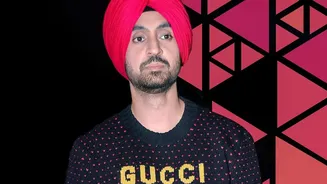

A Punjabi Roar at a Global Landmark
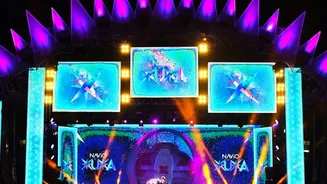
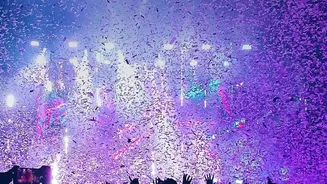
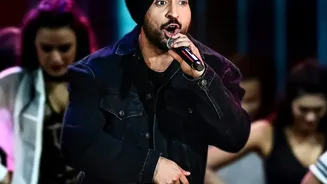
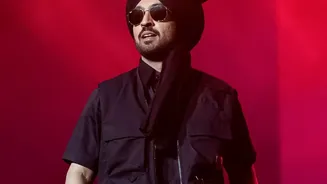
On September 12, 2026, London's iconic Wembley Stadium, a venue that has hosted legends from Queen to Michael Jackson, was transformed into a colossal Punjabi celebration. Diljit Dosanjh became the first Punjabi artist to headline the 90,000-capacity
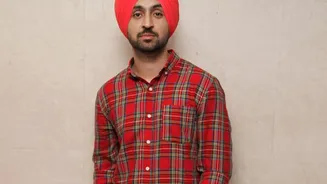
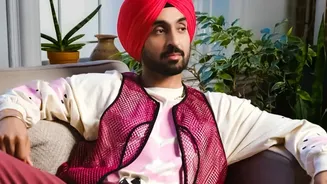
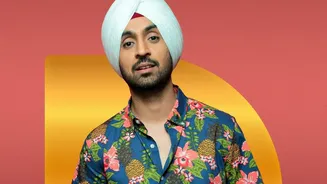
venue, a milestone he greeted with his now-famous declaration, “Punjabi Aa Gaye Wembley Oye!” (The Punjabis have arrived at Wembley!). The sold-out show, part of his 'Aura World Tour', was more than a concert; it was a powerful statement of cultural arrival on one of the world's most prestigious stages. From the moment he appeared in traditional Punjabi attire, Dosanjh made it clear this night was about heritage, pride, and the global journey of a sound born in the villages of Punjab.
The Moments That Bridged Two Punjabs
While the night was filled with his own chart-topping hits like 'G.O.A.T.' and 'Lover', the most talked-about moments came when Dosanjh reached back into the shared history of the subcontinent. He delivered a moving tribute to the legendary Ustad Nusrat Fateh Ali Khan, performing a rendition of the classic qawwali 'Saanson Ki Mala'. As thousands of phone lights illuminated the stadium, the performance became an emotional high point, connecting a new generation of fans with a timeless masterpiece. In another poignant nod to shared heritage, he performed 'Mera Laung Gawacha', a folk song famously recorded by Pakistani singer Musarrat Nazir. For many, hearing these classics echo through Wembley was a testament to music's power to transcend borders.
A Modern Twist on Folk Legends
The “fresh spin” wasn't just about selecting classic songs, but about how they were presented. Dosanjh, known for seamlessly blending traditional Punjabi music with modern genres like hip-hop and trap, applied this formula to the classics. Reports from the show highlighted how these revered songs were reimagined with contemporary beats and production, introducing them to a younger audience accustomed to his modern sound. This approach was also seen in his tributes to Amar Singh Chamkila, the folk legend he portrayed in the acclaimed 2024 film. By performing songs from legends like Chamkila and Nusrat Fateh Ali Khan, Dosanjh didn’t just cover them; he curated them for a global, 21st-century audience, ensuring their legacy continues to evolve.
More Than a Concert, A Cultural Statement
This performance was a masterclass in cultural diplomacy and pride. By honoring both Indian and Pakistani musical icons on such a grand stage, Dosanjh reinforced a message of shared cultural roots. The reaction was immediate and overwhelmingly positive, with fans from both sides of the border celebrating the moment online. This wasn't just about a successful concert; it was about representation. With his turban and unapologetically Punjabi identity at the forefront, Dosanjh demonstrated that an artist could reach the pinnacle of global music without sacrificing their cultural identity. As he told reporters before the show, achieving this milestone wasn't just for him, but for his people and for the next generation of artists.