



A God's-Eye View of Paradise
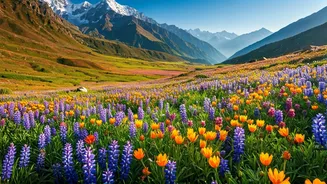
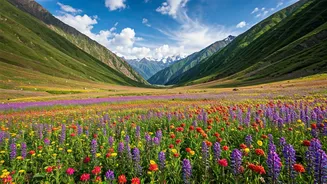
The footage that heralded the opening of the Valley of Flowers National Park on June 1st is nothing short of breathtaking. A drone lifts off, soaring above the treeline in the Garhwal Himalayas. Below, a landscape typically only seen by weary trekkers
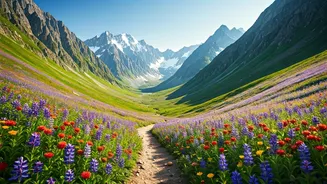
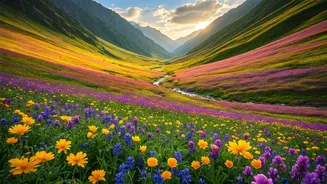
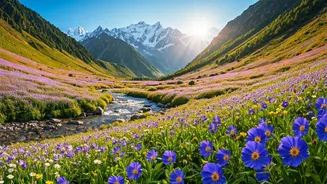
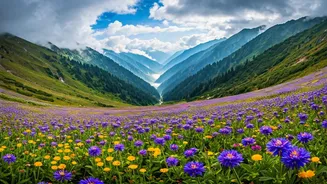
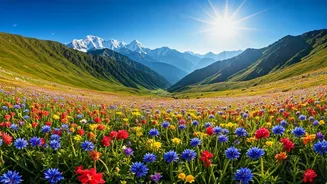
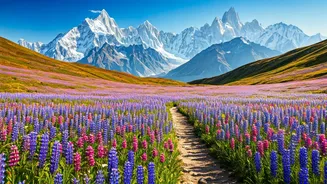
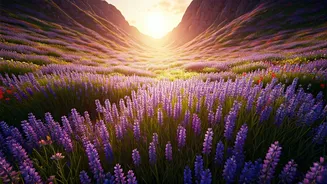
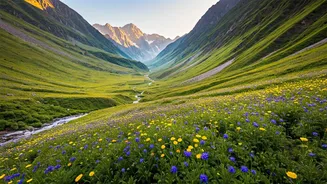
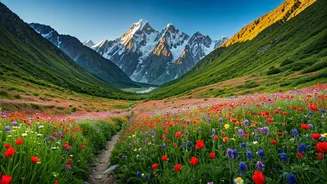
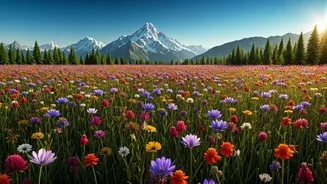
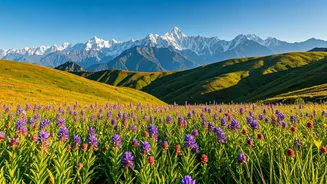
unfolds in effortless, cinematic glory. It’s a mosaic of purples, yellows, reds, and blues, painted across lush green meadows. The camera pans across slopes blanketed with flowers, revealing the Pushpawati River meandering through the valley like a silver thread. This aerial perspective doesn't just show the valley; it conveys its scale and its wild, untouched magnificence. It’s a view that, until recently, was reserved for birds and the imagination. Now, it serves as a powerful invitation, reminding us of the staggering beauty hidden within our own country.
What is the Valley of Flowers?
More than just a pretty place, the Valley of Flowers is a UNESCO World Heritage Site located in the Chamoli district of Uttarakhand. Discovered by British mountaineer Frank S. Smythe in 1931, this high-altitude Himalayan valley is renowned for its meadows of endemic alpine flowers and stunning natural beauty. The park is part of the larger Nanda Devi Biosphere Reserve, a region of immense ecological importance. It's a living laboratory for botanists and a spiritual sanctuary for nature lovers. The valley is home to over 500 species of flowering plants, many of which are unique to this ecosystem. It’s also a habitat for rare and endangered animals, including the Asiatic black bear, snow leopard, musk deer, and blue sheep.
The Magic of the Monsoon Bloom
The Valley of Flowers is a seasonal wonder. It remains covered in a thick blanket of snow for most of the year, accessible only for a few months. The gates officially open on June 1st and close around the end of October. However, the true spectacle begins with the arrival of the monsoon in July. The rain breathes life into the dormant seeds, and the valley floor explodes into a riot of colour. The peak blooming season is from mid-July to mid-August, when flowers like the Brahma Kamal, Blue Poppy, and Cobra Lily are in their full glory. The landscape changes almost weekly, with different species dominating the vista, ensuring that no two visits are ever quite the same. This ephemeral nature is part of its profound charm; its beauty is fleeting and must be cherished.
The Journey to the Valley
Reaching this floral paradise is an adventure in itself. The trek to the Valley of Flowers is considered moderate in difficulty and is as rewarding as the destination. The journey typically begins from Govindghat, near Joshimath. From there, it's a 14-kilometre trek to the base camp at Ghangaria, a small settlement that serves as the last outpost with accommodation. After an overnight stay, trekkers embark on a further 3-4 kilometre walk to the valley's entrance. The trail itself is beautiful, running alongside the gushing Pushpawati River and offering spectacular mountain views. It's essential for visitors to be physically prepared and properly acclimatised to the altitude, which rises above 3,500 metres. The effort, however, is repaid a thousand times over the moment you step into the valley and are met with its serene, flower-filled expanse.
How Technology Enhances Nature
While personal drone use by tourists is restricted to protect the fragile ecosystem and wildlife, the official use of drone media by forest officials and media agencies has transformed how we connect with such remote wonders. For those who cannot make the arduous trek—the elderly, people with disabilities, or simply those far away—this technology offers an unprecedented window into a world they might otherwise never see. It also serves a vital conservation purpose, allowing authorities to monitor the area for illegal activities, track floral bloom patterns, and assess the health of the ecosystem without intrusive foot patrols. This blend of nature and technology ensures that the Valley of Flowers can be celebrated and protected for generations to come.