






The Rise of the Food Detective
It used to be simple. You’d grab a bar that screamed “HEALTHY!” or “LOW-FAT!” from the front of the wrapper and toss it in your cart. Not anymore. A significant shift is underway, driven by a generation of consumers who treat the nutrition panel and ingredients
list like a legal document. This isn't just a niche behavior for elite athletes; it’s becoming mainstream. Dubbed 'label literacy,' this trend sees everyday shoppers actively scanning for things they *don’t* want: artificial sweeteners, unrecognizable chemical names, excessive added sugars, and long, complicated lists of preservatives. They’ve been armed with information from wellness influencers, health documentaries, and a general cultural skepticism toward 'big food.' The result is a consumer who is less swayed by marketing buzzwords on the front and more interested in the hard facts on the back. They are, in effect, becoming their own nutrition gatekeepers.
What Does 'Clean' Even Mean?
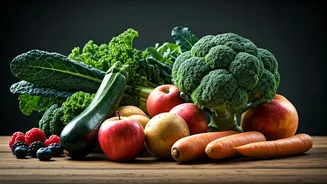
One of the biggest drivers of this movement is the quest for “clean” food. But here’s the catch: “clean label” has no official, FDA-regulated definition. It’s a marketing term that has been defined by consumers themselves. For most, it means a short, simple, and understandable ingredient list. If it sounds like something you could find in your own kitchen pantry—like oats, nuts, honey, and fruit—it passes the test. If it includes words like 'maltodextrin,' 'potassium sorbate,' or 'sucralose,' it gets put back on the shelf. This desire for simplicity isn't just about avoiding 'chemicals'; it's about transparency and trust. Shoppers feel that if a company uses whole-food ingredients, it has nothing to hide. This puts pressure on manufacturers to reformulate products, swapping out lab-made additives for natural alternatives, even if it shortens shelf life or increases cost.
Enter Millet: The Humble Powerhouse
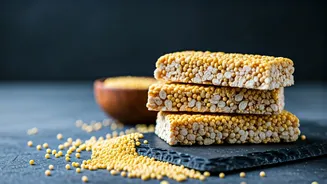
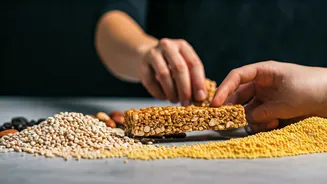
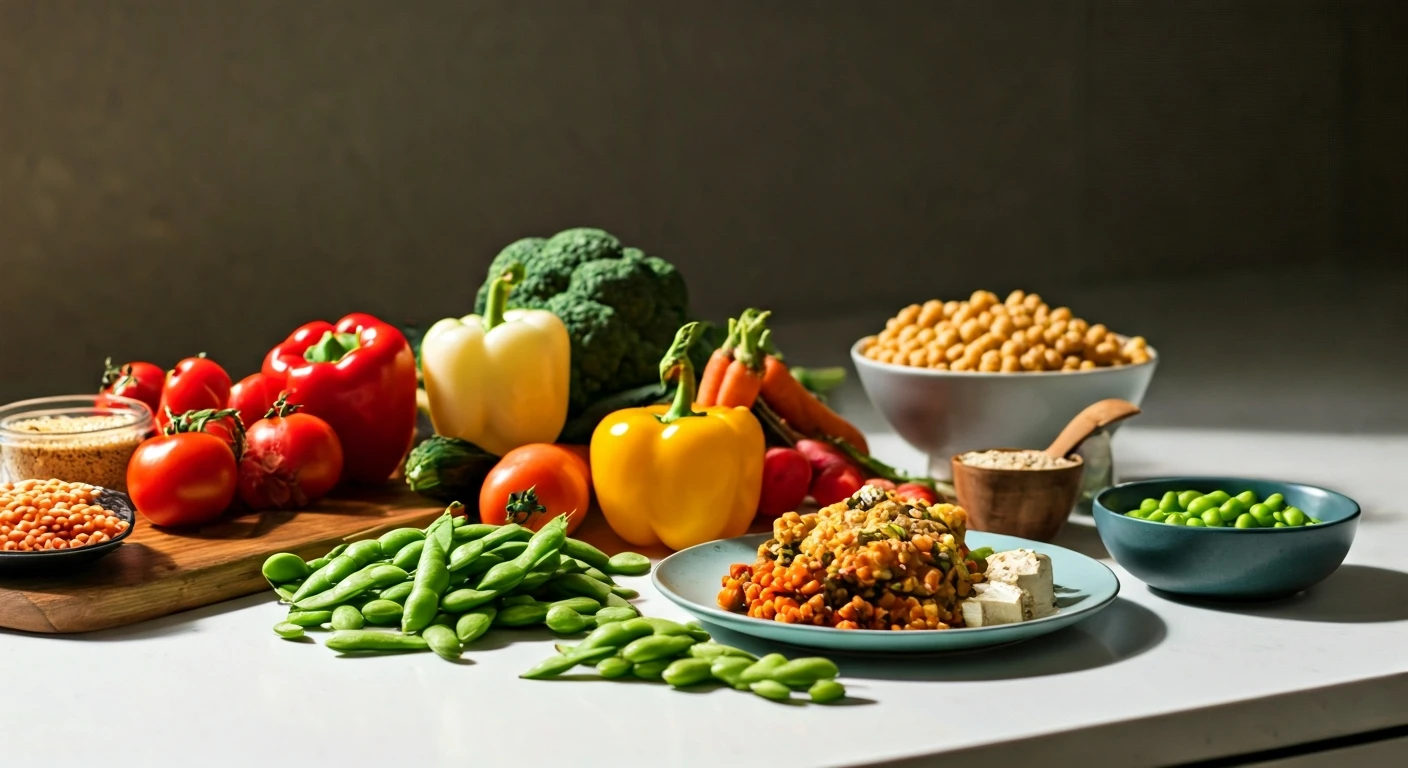
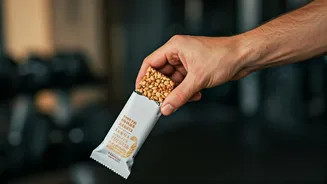
So where do millet bars fit in? Millet is the quiet hero of the clean-label story. For years, the snack bar world was dominated by oats, whey protein, and soy. But as savvy consumers seek out new and diverse nutrient sources, ancient grains like millet are having a major moment. Millet is a naturally gluten-free grain that’s packed with fiber, protein, and essential minerals like magnesium and phosphorus. It has a mild, slightly nutty flavor that makes it a versatile base for bars. More importantly, it fits perfectly into the 'clean' narrative. It’s a simple, whole-food crop that feels more rustic and less processed than other common fillers. For gym-goers and the health-conscious, a millet-based bar signals a departure from the hyper-processed protein bars of the past and a move toward something more wholesome and grounded.
More Than Just a Snack Bar
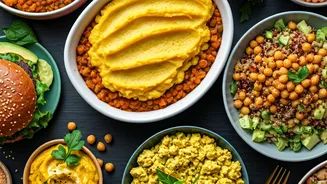
This trend extends far beyond the post-workout snack. The rise in label literacy is reshaping every aisle of the grocery store, from salad dressings and pasta sauces to frozen meals and cereals. Brands are responding by plastering their packaging with claims like “No Artificial Flavors,” “Made with Real Ingredients,” and “Simple Ingredients.” Some are even using front-of-pack graphics to highlight their short, clean ingredient lists. This movement is fundamentally changing the relationship between food companies and their customers. It’s no longer a one-way street where brands dictate what’s healthy. Instead, it’s a conversation where empowered, educated consumers are setting the terms, and the market is being forced to listen. The success of products like clean millet bars is proof that for a growing number of Americans, what’s left out of their food is just as important as what’s put in.