

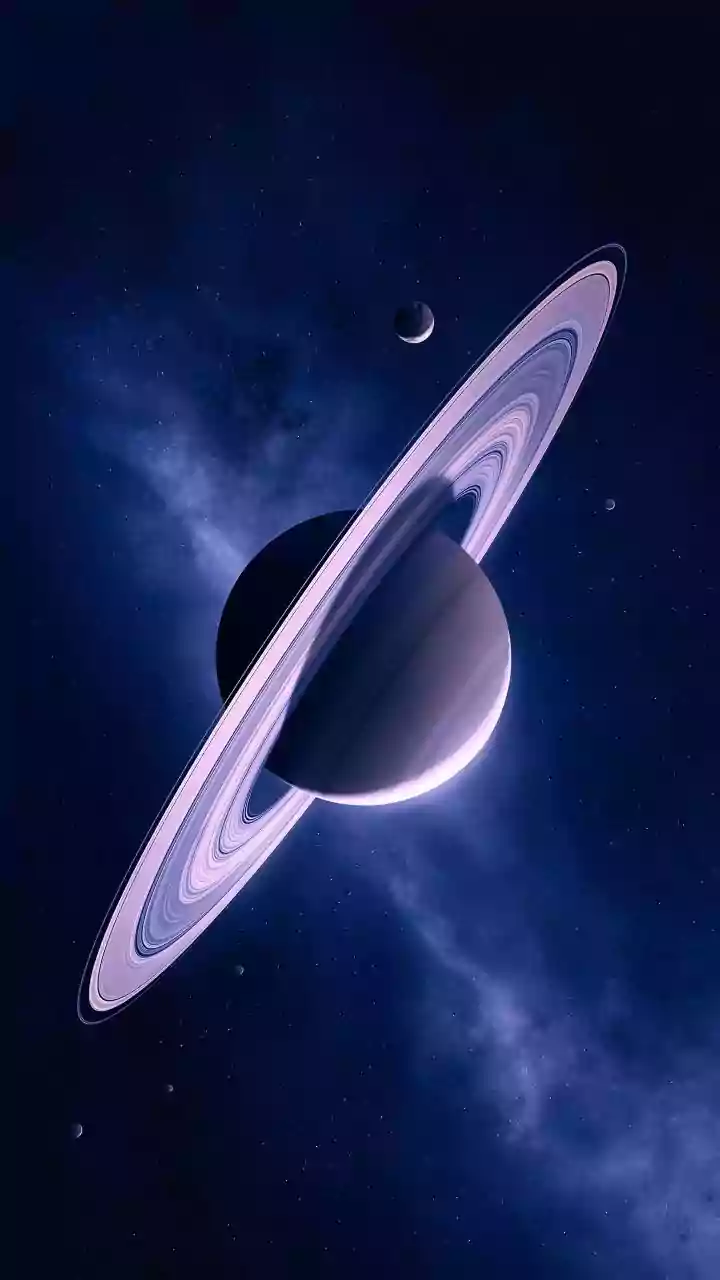
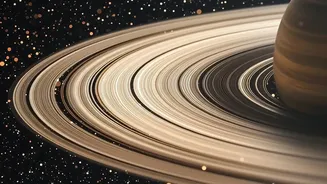
Why August is a Great Month for Saturn
While Saturn will officially reach 'opposition'—its closest and brightest point for the year—on October 4, 2026, the weeks leading up to it are a prime viewing window. Throughout August, Saturn will be rising earlier, growing brighter, and will be visible
for much of the night, making it an increasingly accessible target. During this period, the Earth is positioned between the sun and Saturn, meaning the planet is fully illuminated by sunlight from our perspective. This alignment makes it shine brilliantly, appearing as a steady, yellowish-white point of light that doesn’t twinkle like a star. This month is also part of a larger celestial showcase, with a planet parade featuring Mars, Jupiter, Uranus, and Neptune also visible in the pre-dawn hours.
When and Where to Look
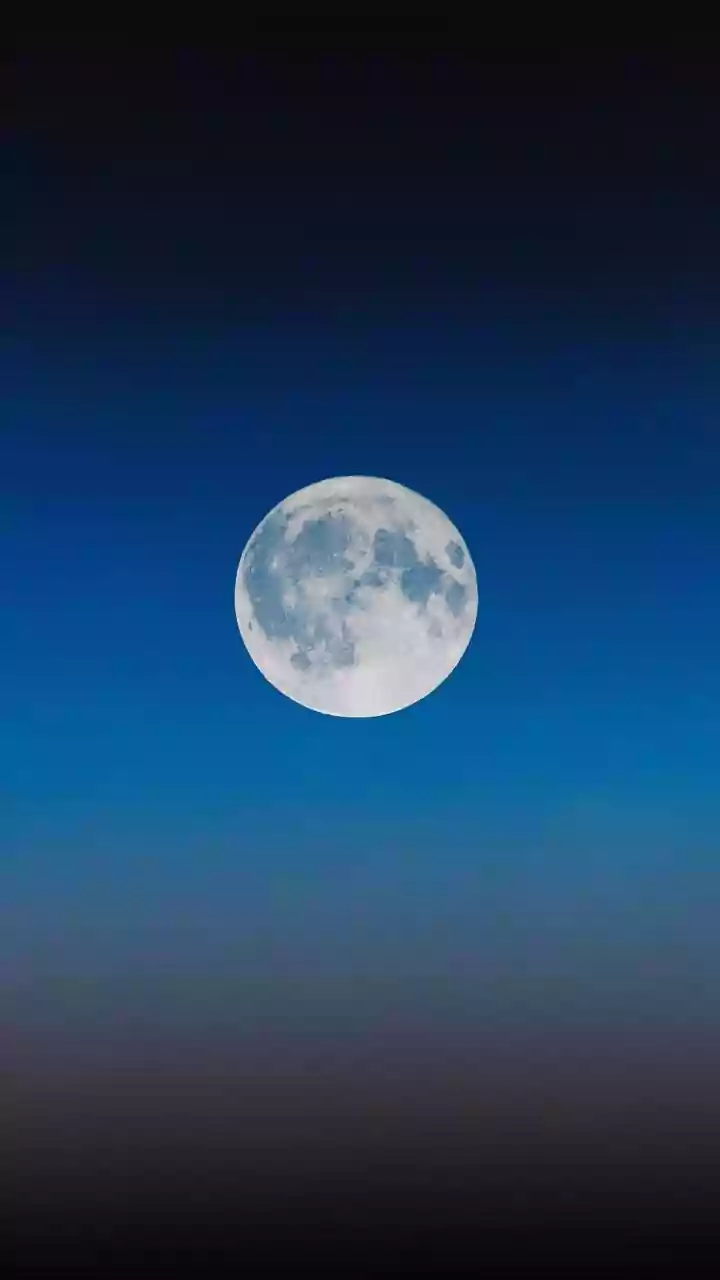
In August, you'll find Saturn in the constellation Pisces. It rises in the east a couple of hours after sunset and travels across the sky throughout the night. For the best views, wait until it has climbed higher above the horizon, away from the atmospheric haze that can blur celestial objects. By midnight, it will be well-placed for observation. On the night of August 30-31, the Moon will make a close approach to Saturn, making the planet even easier to locate. To find it, look for a bright, non-twinkling 'star'. If you have a smartphone, a stargazing app like Star Walk 2 or SkyView can point you in the exact direction from your location.
What You Can See: From Naked Eye to Telescope
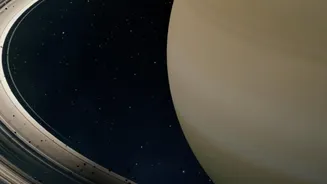
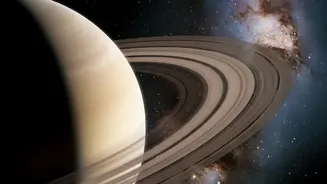
The good news is you don't need expensive equipment to spot Saturn. To the naked eye, it will appear as one of the brightest objects in the night sky. However, to see its most famous feature—the rings—you'll need some magnification. A good pair of binoculars will begin to reveal that Saturn is not perfectly round, hinting at its rings. Even a small beginner's telescope, with an aperture of 50mm (2 inches) and 25x magnification, is powerful enough to clearly separate the rings from the planet itself. With a larger amateur telescope (4 inches or more), you might even be able to spot the Cassini Division, a dark gap within the rings, or its largest moon, Titan, which looks like a tiny star next to the planet.
Tips for the Best Stargazing Experience
To make the most of your Saturn-gazing session, a few simple preparations can make a world of difference. First, try to get away from city lights. Light pollution washes out fainter objects, and while Saturn is bright, a dark sky provides much better contrast. Second, give your eyes time to adjust. It takes about 20-30 minutes for your eyes to become fully adapted to the darkness, which will allow you to see much more detail. Avoid looking at your bright phone screen; if you must use a light, a red torch is best as it preserves your night vision. Finally, be patient and comfortable. Stargazing is a marathon, not a sprint. Use a chair or lie on a blanket, and take your time to simply look up and enjoy the view.