


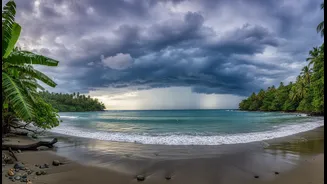



The Off-Season Is Officially Over
Across India, the tourism industry is reporting a significant shift in travel patterns. The June to September monsoon window, once defined by steep discounts and low occupancy, is transforming into a bustling period of high demand. According to data from
travel platforms, destinations are seeing a massive uptick in visitors. Some hill stations like Munnar and Mussoorie have recorded a nearly tenfold growth in hotel bookings compared to last year. Other popular spots like Coorg, Wayanad, and Lonavala have seen bookings expand by about seven times. Major hospitality chains are confirming the trend. Radisson Hotel Group, for instance, reports that July bookings are pacing nearly 10% ahead of the previous year, while Indian Hotels Co Ltd (IHCL) has seen a 15-17% rise for the same period. This sustained interest means that the deep discounts of the past are disappearing. In Goa, a market where tariffs used to drop by nearly a quarter during the rains, pricing is now described as "resilient" due to the consistent flow of tourists.
Why Are Travellers Embracing the Rain?
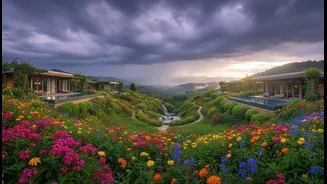
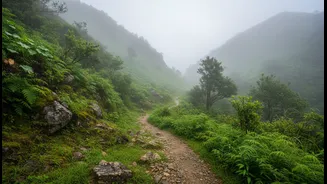
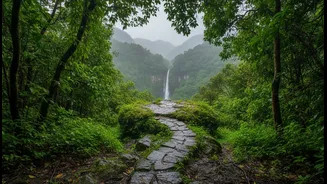
Several factors are fuelling this rainy-day rush. A primary driver is a change in traveller mindset. An increasing number of people are prioritising unique experiences over just sunny weather. The monsoon transforms landscapes into lush, green paradises, with waterfalls at their peak and a romantic, misty atmosphere that is becoming a powerful draw. Social media has played a huge role, with images of scenic road trips through the Western Ghats and luxury stays surrounded by clouds turning monsoon travel into an aspirational goal. Furthermore, the rise of flexible work arrangements and the trend of taking shorter, more frequent 'micro-breaks' allow people to travel beyond the traditional holiday seasons. This new wave of travellers, largely Gen Z and Millennials, is drawn to the promise of adventure, wellness retreats, and cultural immersion, all of which are uniquely enhanced by the rainy season.
Hotels Get Creative with Monsoon Packages
The hospitality industry has been quick to adapt and capitalize on this trend. Instead of simply slashing prices, hotels and travel companies are curating special monsoon-centric campaigns and packages. In Kerala, for example, the monsoon is the traditional season for Ayurveda, as the moist, cool climate is considered ideal for wellness treatments. Resorts now heavily market these rejuvenation packages. In places like Goa and Coorg, luxury properties offer experiences built around the rain, from plantation walks amid mist-covered valleys to indulgent spa treatments with the sound of rainfall in the background. This focus on experience-led travel, whether it's wellness, cultural exploration, or simply enjoying the tranquility, has helped hotels create value and sustain demand without relying on heavy discounts.
From Coastal Plains to Hill Stations
The monsoon boom is not limited to one or two regions. While classic destinations like Goa and Kerala remain popular, travellers are exploring a wider map. The lush hill stations of the Western Ghats, such as Lonavala, Coorg, and Wayanad, are seeing enormous growth. In the north, destinations like Mussoorie and Nainital are also drawing crowds. Even the Northeast is emerging as a standout performer, with states like Nagaland and Arunachal Pradesh recording a 62% year-on-year rise in flight bookings. Spiritual destinations like Varanasi and Ayodhya are also maintaining healthy occupancy rates, proving their year-round appeal. This geographic spread shows how deeply the appreciation for monsoon travel has penetrated the Indian tourist psyche, moving far beyond a niche interest.