


Sustainable and Eco-Conscious Travel
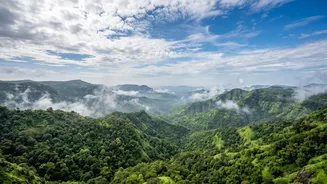
Sustainability is no longer a buzzword but a driving force behind travel decisions. A significant number of Indian travellers are now actively seeking eco-friendly and responsible tourism options. This translates into a preference for destinations and operators
that prioritize environmental conservation and community well-being. Travellers are choosing eco-lodges, supporting local businesses, and opting for activities that cause minimal environmental and social harm. In fact, studies show a large majority of Indian travellers are determined to travel more sustainably and believe it's crucial for preserving the planet. This trend is pushing people towards lesser-known destinations to ease the pressure on popular tourist spots and encouraging travel during off-peak seasons to avoid overcrowding. States like Sikkim, with its fully organic approach, are becoming models for this new wave of green tourism.
The Rise of Wellness and Spiritual Journeys
In a fast-paced world, the search for inner peace is becoming a travel goal in itself. Spiritual and wellness tourism is a booming sector, moving beyond traditional pilgrimages to include yoga retreats, meditation centres, and digital-detox escapes. Travellers are looking for holistic experiences that help them rejuvenate mentally and physically. Destinations like Rishikesh, Kerala, and the Himalayas continue to be popular, but the trend is now about a deeper integration of wellness into the entire holiday. This isn't just a niche market; spiritual tourism now accounts for a massive portion of domestic travel in India, fueled by a cultural shift towards slower, more meaningful living. The government is also boosting this trend by developing spiritual tourism circuits and improving infrastructure in sacred towns.
Hyper-Local and Experiential Adventures
The focus is shifting from simply seeing a place to truly experiencing it. There is a growing appetite for 'inward wanderlust', with a strong preference for exploring India's own hidden gems. Travellers are venturing into tier-two and tier-three towns, seeking authentic cultural immersion rather than just ticking off monuments from a list. This includes everything from heritage walks and craft workshops to community-led storytelling. Experiences are being booked before accommodation, signalling a major shift in priorities. Instead of crowded hotspots, people are opting for unique cultural adventures, lower costs, and the charm of undiscovered locales. This desire for authenticity is also driving a new interest in rural tourism, where travellers can engage with local life away from commercialised centres.
Culinary Travel Takes Centre Stage
Food is increasingly becoming the main reason to travel, not just a part of the trip. Nearly 40% of Indian travellers now plan their holidays around culinary experiences. This goes beyond fine dining; it's about connecting with local culture through its flavours. Food walks, cooking classes, farm-to-table dining, and even exploring local grocery stores are becoming popular holiday activities. Travellers are eager to explore regional cuisines, hidden local eateries, and curated food trails that offer deeper cultural insight. Destinations are being chosen based on their food scenes, whether it's for street food tours in Delhi or sushi-making workshops abroad. This trend reflects a desire for hands-on, memorable experiences that engage all the senses.
Bleisure and Workcations Are Here to Stay
The lines between work and leisure continue to blur, making 'bleisure' (business + leisure) and workcations a permanent fixture in the travel landscape. Indian professionals lead the Asia-Pacific region in extending work trips for personal holidays, a trend driven by flexible remote work policies. Destinations that offer a great lifestyle alongside reliable Wi-Fi, like Goa, Gokarna, and Manali, have become popular hubs. Companies are increasingly formalising policies to accommodate this demand, recognising that it improves employee satisfaction. Instead of one long annual holiday, many are opting for multiple shorter breaks and workations throughout the year, making travel a more integrated part of their lives.