


Understanding Baked Rasgulla and 'Cheese'
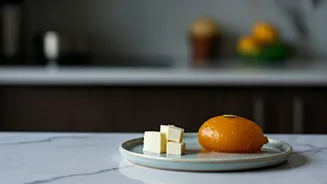
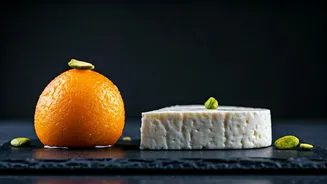
First, let's clarify the delicious mystery. When we talk about "cheese" in the context of rasgulla, we are referring to 'chhena'—the fresh, unripened curd cheese that forms the very heart of the dessert. While traditional rasgullas are chhena balls boiled
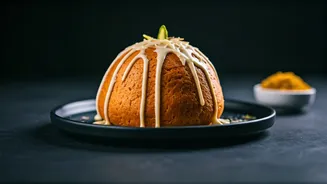
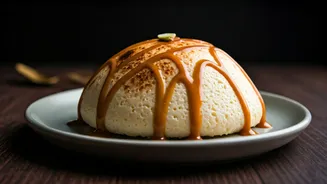
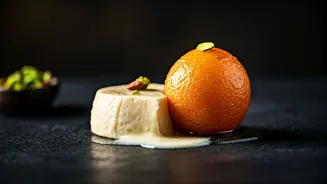
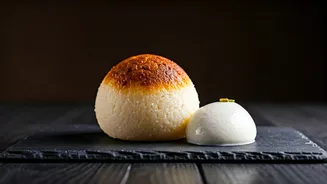
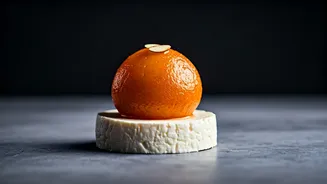
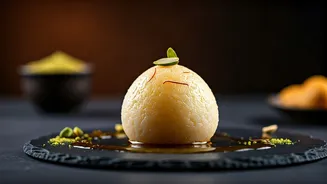
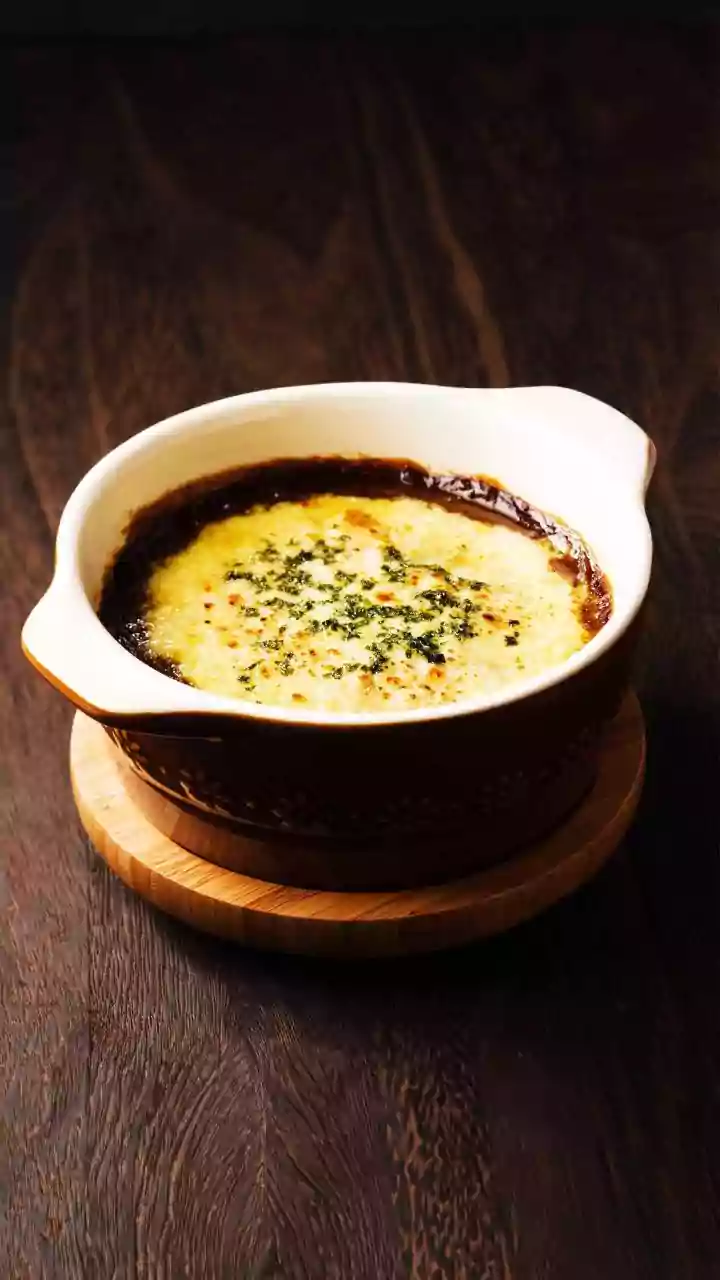
in sugar syrup, baked rasgulla takes a different, richer path. It often involves either baking store-bought rasgullas in a thickened, creamy milk mixture or, more accurately, baking the sweetened chhena mixture itself, much like a crustless cheesecake. This latter version is famously known as Chhena Poda in Odisha, which translates to "burnt cheese" and is celebrated for its caramelised top and soft interior. Our guide will focus on the popular and accessible method of baking rasgullas in a rich, cheesy sauce.
Gathering Your Essential Ingredients
This impressive dessert comes together with surprisingly few ingredients. You can choose to make your own rasgullas from scratch or use good quality store-bought ones to save time. For a party of 4-6, you will need: 10-12 rasgullas, 1.5 cups of whole milk, 1 cup of unsweetened khoya (mawa) or crumbled paneer, half a can (about 200g) of sweetened condensed milk, a pinch of saffron strands, and ¼ teaspoon of cardamom powder. For garnish, have 2-3 tablespoons of chopped pistachios and almonds ready. Using full-fat milk is crucial for achieving a rich, creamy consistency and avoiding a watery result.
Step 1: Prepare the Rasgullas
The first step is to prepare your rasgullas for baking. Whether homemade or store-bought, they are packed in sugar syrup. You need to gently squeeze each rasgulla to remove as much of the syrup as possible. Be careful not to press so hard that they break or lose their shape. The goal is to make them porous enough to absorb the new, creamy sauce you are about to create. Once squeezed, arrange them in a single layer in a greased, oven-safe baking dish. This simple preparation ensures the final dessert is rich and flavourful, not just overly sweet.
Step 2: Create the Rich Rabri-like Sauce
Now, for the heart of the dish: the rich, cheesy sauce. In a heavy-bottomed pan, heat the whole milk over medium heat. As it begins to warm, add the grated khoya or crumbled paneer, stirring continuously to dissolve it and prevent lumps. Once the mixture is smooth, pour in the condensed milk and add the saffron and cardamom powder. Continue to cook, stirring frequently, for about 10-15 minutes. The sauce should thicken to a consistency similar to rabri—creamy and pourable, but not too thin or watery. If it gets too thick, it will become dense after baking. Taste the mixture and add more condensed milk if you prefer it sweeter.
Step 3: Baking to Golden Perfection
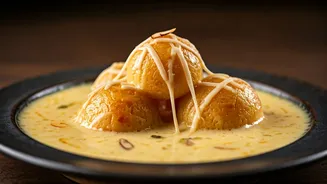
With your components ready, it's time to assemble and bake. Preheat your oven to 180-200°C. Pour the warm, thickened milk sauce evenly over the rasgullas arranged in your baking dish, ensuring they are well-coated. Sprinkle half of your chopped nuts over the top. Place the dish in the preheated oven and bake for 10-15 minutes. You are looking for the sauce to bubble at the edges and the top to develop a beautiful, lightly browned or caramelised appearance. Some recipes even suggest using the grill or broiler for the final minute to achieve those signature charred spots, but keep a close eye to prevent burning.
Serving and Storing Your Masterpiece
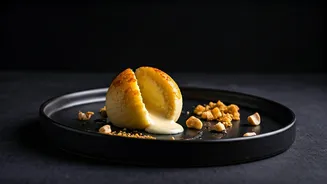
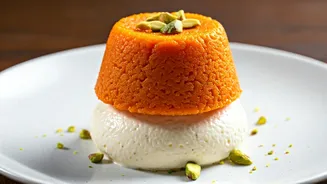
Once baked, remove the dish from the oven. Garnish with the remaining chopped nuts. This dessert is incredibly versatile and can be served either warm, straight from the oven, or chilled. For a chilled dessert, allow it to cool completely before placing it in the refrigerator for at least two hours. When chilled, the flavours meld and the texture becomes firmer, similar to a set pudding. Stored in an airtight container, baked rasgulla will stay fresh in the refrigerator for up to two days, though it is at its absolute best when fresh.