




What Exactly Are These Cones?
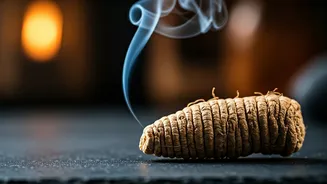
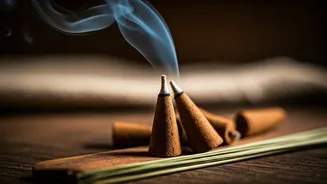
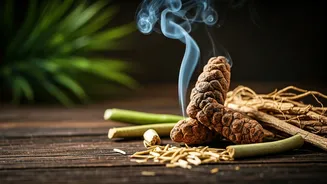
Unlike the colourful, heavily perfumed agarbatti or dhoop sticks you might be familiar with, vetiver cones are their minimalist, earthy cousins. Typically handmade, these cones are crafted from a paste of powdered vetiver roots, resin, and sometimes other
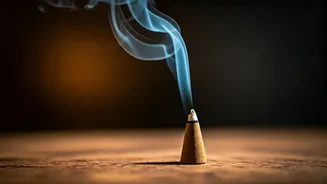
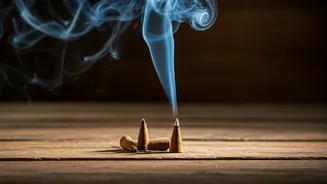
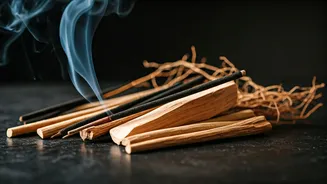
natural binders like charcoal or wood powder. The focus is on a single, star ingredient: vetiver. Their dark, almost-black appearance comes from the natural ingredients, eschewing artificial colours and additives. The design is intentional. When lit and then blown out, they don't burst into a flame but smoulder slowly, releasing a steady, fragrant smoke from the tip. This slow, controlled burn is central to their appeal, turning a simple act of lighting incense into a mindful, measured ritual.
The Star Ingredient: Vetiver, the 'Oil of Tranquillity'
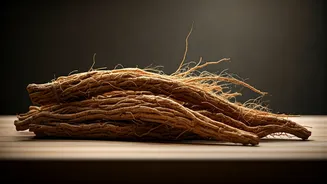
Known in India as 'khus,' vetiver is a type of grass native to the country, celebrated for centuries for its distinctive and complex fragrance. If you've ever smelled a traditional 'khus' sharbat or walked past a window cooler fitted with vetiver root mats, you know the scent: deeply earthy, woody, and smoky, with a uniquely cooling green undertone. It’s the smell of the first rain hitting dry earth, a phenomenon known as petrichor. In aromatherapy, vetiver is hailed as the 'oil of tranquillity.' Its grounding properties are believed to soothe anxiety, calm the nervous system, and promote restful sleep. While many fragrances aim to uplift and energise, vetiver does the opposite: it anchors you, bringing a sense of stability and peace to your space and mind. This makes it a perfect antidote to the digital static of modern life.
Why 'Slow Burning' Is the Main Attraction
The magic of this trend lies in the words 'slow burning.' In a world of instant notifications and fleeting trends, the deliberate pace of a vetiver cone is a form of quiet rebellion. The ritual isn't just about making a room smell good; it's about taking a moment to intentionally slow down. Watching the thin wisp of smoke curl upwards for 20 to 30 minutes becomes a meditative act. It encourages you to pause, breathe deeply, and be present. This experience stands in stark contrast to electric diffusers that run for hours in the background or candles that burn for an entire evening. The vetiver cone offers a contained, finite moment of calm, making it a perfect ritual to start your day, wind down before bed, or reset your mind during a work break.
Cones vs. Diffusers and Dhoop
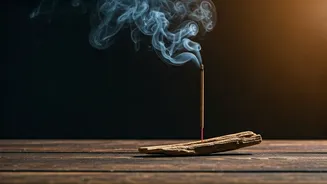
So, how do these cones stack up against other popular forms of home fragrance? Think of it as a spectrum of intensity and purpose. Essential oil diffusers create a subtle, ambient scent that can run for hours, humidifying the air as a bonus. They are great for a consistent, background fragrance. Traditional dhoop or agarbatti often feature complex blends of flowers, spices, and resins, creating a powerful, transportive aroma strongly associated with prayer and sacred rituals in many Indian households. Slow-burning vetiver cones sit in a unique middle ground. They are more potent and ceremonial than a diffuser but more singular and minimalist than a classic dhoop stick. Their purpose is less about perfuming a room for hours and more about creating a focused, grounding experience through a single, powerful natural scent.
How to Bring This Trend Home
If you're ready to try vetiver cones, look for brands that prioritise natural ingredients. The best ones will list vetiver root powder as the primary component, with minimal additions like natural resins for binding. To use one, simply place it on a heat-proof dish or a dedicated incense holder. Light the very tip of the cone with a match or lighter, let the flame catch for about 10 seconds, and then gently blow it out. The tip should glow, and a steady stream of smoke will begin to rise. Be sure to place it in a well-ventilated room, away from flammable objects, children, and pets. Use it to create a calming atmosphere for meditation, reading, or simply to decompress after a long day.