








Why Your Pet Is Acting Differently
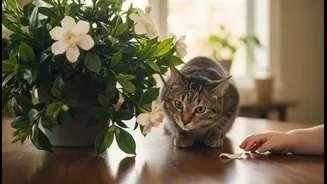
When you introduce a plant, you're introducing a world of new smells, textures, and shapes into your pet's territory. Pets, especially cats and dogs, are creatures of habit and sensory information. A new plant's scent can disrupt the familiar smells of home,
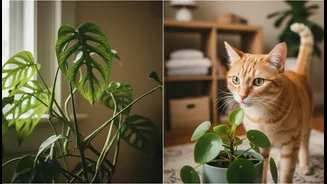
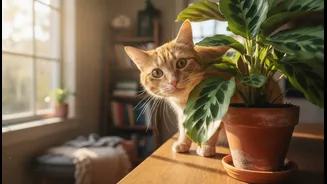
which they rely on for comfort and security. Their behaviour changes due to curiosity, boredom, or even instinct. For a cat, the dangling leaves of a spider plant might look like a toy, triggering their hunting instincts. For a dog, the fresh soil might be an invitation to dig. This isn't necessarily a sign of bad behaviour; it's often your pet’s way of investigating and trying to understand the new object in their domain.
Common Behaviours to Watch For
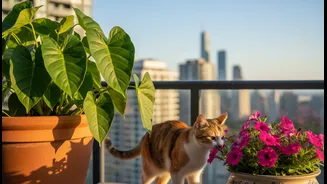
The changes can range from subtle to obvious. You might notice your dog or cat excessively sniffing or licking the new plant. Chewing on leaves and stems is also common, driven by either curiosity or, in some cases, a dietary instinct for fibre. In some instances, pets may display territorial marking, such as a cat rubbing against the pot or, less pleasantly, spraying near it. Digging in the pot is another frequent activity, especially for puppies and dogs. While much of this is exploratory, it's crucial to distinguish harmless curiosity from behaviour that could damage the plant or, more importantly, harm your pet. Even non-toxic plants can cause stomach upset if eaten in large quantities.
The Hidden Danger of Toxic Plants
Many popular houseplants in Indian homes are unfortunately toxic to pets. Plants like Lilies are extremely dangerous for cats and can cause kidney failure from just a lick of pollen. Others, such as Sago Palm, Pothos (Money Plant), Snake Plant, and Aloe Vera, can cause symptoms ranging from mouth irritation and drooling to severe vomiting, diarrhea, and organ damage if ingested. Symptoms of plant poisoning can include lethargy, loss of appetite, tremors, and seizures. Before bringing any plant home, it's essential to research whether it is safe for your pets. The good news is there are plenty of beautiful, non-toxic options.
Creating a Pet-Safe Green Space
Creating a home where both plants and pets can thrive is entirely possible with a bit of planning. Opt for pet-friendly plants that are popular and suitable for Indian climates, such as the Areca Palm, Spider Plant, Boston Fern, and various Calathea species (Prayer Plant). When you bring a new plant home, place it in an area where you can supervise your pet’s interactions. Using high shelves or hanging planters can keep plants out of reach of curious paws and mouths. For pets that love to chew, providing them with their own safe alternatives, like cat grass, can redirect their attention. You can also make plants less appealing by using pet-safe deterrent sprays or placing citrus peels in the pot, as many pets dislike the smell.
When to Be Concerned
While most initial interactions are harmless, it's important to know when a behaviour becomes a red flag. If your pet consumes part of a plant and you notice symptoms like persistent vomiting, diarrhea, excessive drooling, difficulty breathing, or extreme lethargy, it’s time to act fast. These could be signs of poisoning. First, try to identify the plant your pet has ingested. Then, contact your veterinarian immediately for guidance. Having the number for your vet and an animal poison control hotline readily available is always a good idea for any pet owner.