



The Green Banana: A Gut Health Hero
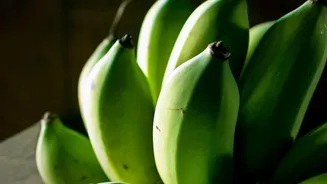
Often overlooked in favour of its sweeter, softer successor, the green, unripe banana is a nutritional powerhouse in its own right. Its primary claim to fame is its high concentration of resistant starch. As the name suggests, this type of starch 'resists'
digestion in the small intestine. Instead, it travels to the large intestine, where it functions as a prebiotic, feeding the friendly bacteria in your gut. A healthy gut microbiome is linked to numerous benefits, including improved digestion and overall wellness. This high resistant starch content also means green bananas have a lower glycemic index (GI). Foods with a low GI release sugar into the bloodstream more slowly, preventing the sharp spikes and subsequent crashes associated with high-sugar foods. This makes green bananas an excellent choice for individuals managing their blood sugar levels. Their firm, almost waxy texture and less sweet, slightly bitter taste might take some getting used to, but their health benefits, including promoting a feeling of fullness that can aid in weight management, are significant.
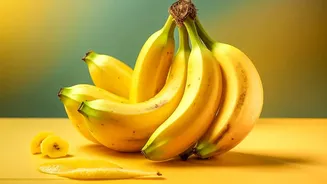
The Yellow Banana: Sweet, Simple Energy
As a banana ripens and turns yellow, a significant transformation occurs. The enzymes within the fruit begin converting the complex resistant starches into simple sugars like sucrose, fructose, and glucose. This is why yellow bananas are noticeably sweeter and softer than their green counterparts. This change also makes them easier to digest for many people. While the sugar content is higher, ripe yellow bananas are still a fantastic source of essential nutrients, including potassium, vitamin B6, and vitamin C. The ripening process also increases the levels of antioxidants, which are beneficial compounds that help protect your body's cells from damage. Because their sugars are more readily available, yellow bananas provide a quick source of energy, making them an ideal pre-workout snack or a convenient pick-me-up during a busy day. Although their glycemic index is higher than that of green bananas, it generally falls into the low-to-medium range, especially when eaten as part of a balanced meal.
Spotted and Sweet: The Overripe Banana
Don’t toss that banana just because it has a few brown spots. As a banana becomes even riper, more of its starches convert to sugar, making it incredibly sweet and soft. This is the stage where it's perfect for baking, lending natural sweetness and moisture to banana bread, muffins, and smoothies. Furthermore, research indicates that the level of antioxidants continues to increase as the banana ripens and develops brown spots. While some online sources make strong claims about specific disease-fighting properties at this stage, it's best to focus on the established science: they are at their peak sweetness and antioxidant levels. The soft texture is a result of pectin, a type of fibre, breaking down. So while they are high in sugar, they remain a useful and delicious ingredient.
Which Banana Is Best for You?
There's no single 'winner' in the banana debate. The best choice truly depends on your individual health goals and preferences. Choose green bananas if: - You are managing your blood sugar levels and need a low-GI option. - You want to boost your intake of prebiotics to support gut health. - You prefer a firmer texture and less sweetness, or plan to cook them in savoury dishes. Choose yellow bananas if: - You need a quick and easily digestible source of energy before exercise. - You prefer a sweeter taste and softer texture for snacking. - You are looking for a good balance of nutrients and antioxidants in an easy-to-eat package. Ultimately, both green and yellow bananas offer valuable nutrients and can be part of a healthy, balanced diet. Enjoying them at different stages of ripeness allows you to take advantage of their unique benefits.