

The Building Blocks of Your Body
Let's start with the basics. Proteins are essential macronutrients, crucial for nearly every function in your body—from building and repairing tissues like muscle, to producing hormones and enzymes. Think of proteins as complex structures, and these structures are built
from smaller units called amino acids. There are 20 different amino acids your body uses. Of these, nine are called 'essential amino acids' because your body cannot produce them on its own; you must get them from the food you eat. When a food contains all nine of these essential amino acids in adequate amounts, it's considered a 'complete protein'.
The 'Incomplete' Protein Puzzle
Most animal-based foods like meat, fish, eggs, and dairy are complete proteins. However, the majority of plant-based foods, including grains and legumes, are often labelled as 'incomplete' proteins. This doesn't mean they are bad or lack protein. It simply means that on their own, they are low in at least one of the nine essential amino acids. This specific amino acid that is in short supply is called the 'limiting amino acid' because its absence limits the body’s ability to use the other amino acids to build proteins effectively.
A Perfect Nutritional Mismatch
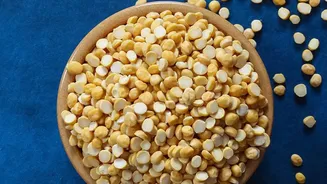
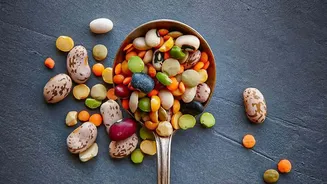
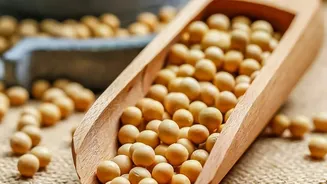
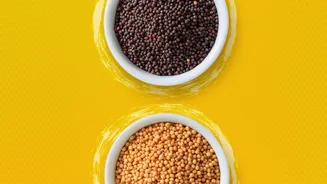
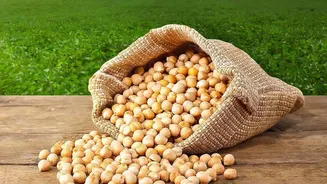
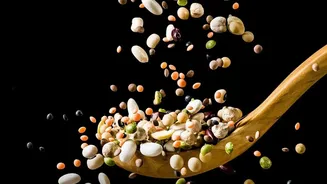
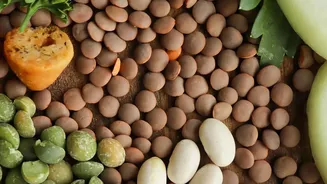
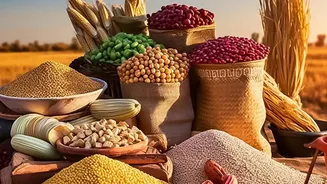
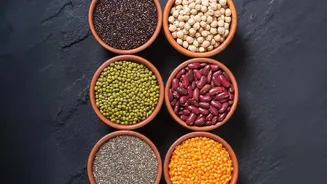
This is where the magic of food pairing comes in. Cereal grains and legumes have a complementary relationship because their limiting amino acids are different. Cereal grains—like rice, wheat, and corn—are typically low in the essential amino acid lysine. On the other hand, legumes—such as lentils (dal), chickpeas, beans, and peas—are rich in lysine but are low in the essential amino acid methionine. Grains have the methionine that legumes are missing, and legumes have the lysine that grains are missing. They are a perfect nutritional mismatch, designed to complete each other.
Creating a 'Complete' Protein Score
When you eat a cereal grain and a legume together, their individual amino acid profiles compensate for each other's weaknesses. The lysine from the legumes fills the gap in the grains, and the methionine from the grains fills the gap in the legumes. This combination creates a meal with a complete amino acid profile, much like that of an animal protein. This concept is scientifically measured using systems like the Protein Digestibility Corrected Amino Acid Score (PDCAAS), which evaluates a protein's quality based on its amino acid content and digestibility. While individual plant foods might have a lower score, a combination like rice and beans can achieve a much higher, more optimal score.
Traditional Wisdom on Your Plate
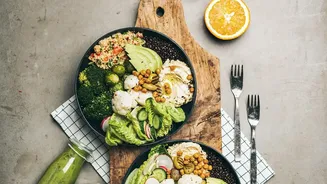
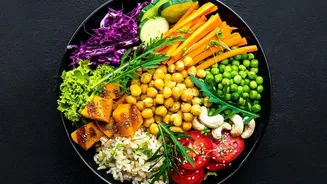
This principle is beautifully demonstrated in traditional cuisines across India and the world. It’s not a new discovery but ancient wisdom. Think of dal with rice or roti, a cornerstone of Indian meals. Other classic examples include khichdi (rice and lentils), idli or dosa with sambar (fermented rice and lentil batter with a lentil stew), and rajma chawal (kidney beans with rice). Globally, you see the same pattern in Mexican rice and beans, Middle Eastern hummus (chickpeas) with pita bread (wheat), and even a simple peanut butter (a legume) sandwich on whole-grain bread.
Do They Need to Be Eaten Together?
For years, the popular advice was that you needed to eat these complementary proteins in the very same meal to get the benefit. However, modern nutritional science has updated this view. The current understanding is that your body maintains a pool of amino acids throughout the day. As long as you consume a variety of plant-based protein sources over the course of a day, your body can pull the necessary amino acids from that pool to synthesise complete proteins. So, you don't have to stress about perfect pairing at every single meal, but the habit of combining grains and legumes remains an efficient and delicious strategy for ensuring you get high-quality protein.