



The Freedom of Independent Discovery
Exploring a new place can feel overwhelming, but Sweden's most historic towns are remarkably accessible thanks to a variety of self-guided walking tours. These aren't rigid, fast-paced group excursions. Instead, they empower you to be your own guide.
Many are available as downloadable audio guides, browser-based maps, or even free apps you can use on your smartphone. This approach allows you to pause whenever a hidden courtyard catches your eye, spend extra time in a church ruin, or stop for a 'fika'—a Swedish coffee and pastry break—without worrying about keeping up with a group. You can start whenever you want and explore at a speed that feels right, making for a much more personal and immersive connection to the history around you.
Visby: The Walled Hanseatic Treasure
No discussion of medieval Sweden is complete without Visby, the UNESCO World Heritage town on the island of Gotland. This former Viking stronghold and Hanseatic trading hub is famously encircled by a dramatic 3.4-kilometre limestone wall, punctuated by dozens of original towers. Self-guided tours of Visby are plentiful, often available as smartphone experiences that don't require an app download. These walks guide you from the old harbour, through Almedalen Park (once the medieval port), and along the cobblestone streets to the town's many stunning church ruins, like those of Sankt Katarina and Sankt Nicolai. Audio narrations bring the city's prosperous past to life, explaining the history behind the Great Square (Stora Torget) and the magnificent Visby Cathedral, the only medieval church in the town still in use.
Sigtuna: Sweden's First Town
Just northwest of Stockholm on the shores of Lake Mälaren lies Sigtuna, founded around 980 AD and considered to be Sweden's very first town. Its main street, Stora Gatan, still follows its original Viking-era layout. A self-guided walk here is a journey through the birth of a nation. Audio tours and local maps guide you to fascinating runestones bearing ancient messages, the ruins of early stone churches like St. Per's and St. Olof's, and the tiny-but-charming 18th-century town hall. The Sigtuna Museum provides deep context on the town's Viking and medieval history, and the tranquil lakeside setting makes for a beautiful and historically rich day trip from the capital.
Lund: A Centre of Medieval Power
In the southern region of Skåne, Lund offers a blend of medieval history and vibrant university life. Founded around 990, Lund was once the powerful seat of the archbishop for all the Nordic countries. This history is palpable as you walk its streets. Excellent self-guided tours, some available as free browser-based walks, lead you through the city's compact core. The undisputed highlight is the colossal Lund Cathedral, a masterpiece of Romanesque architecture dating to the 11th century. From there, walks often guide you through the historic Lundagård park, past the university's main building, and into the Kulturen, an open-air museum where you can step inside historic buildings to experience life in centuries past. The local tourist office also provides maps for a walk that traces the path of the old medieval city wall.
Stockholm's Gamla Stan: A Medieval Heart
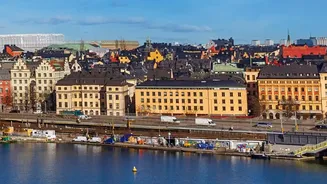
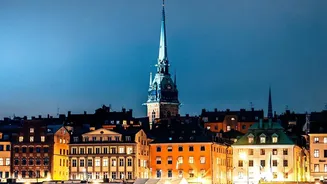
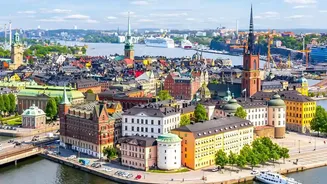
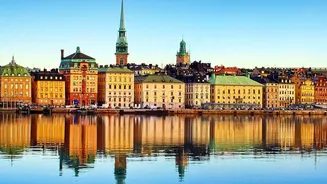
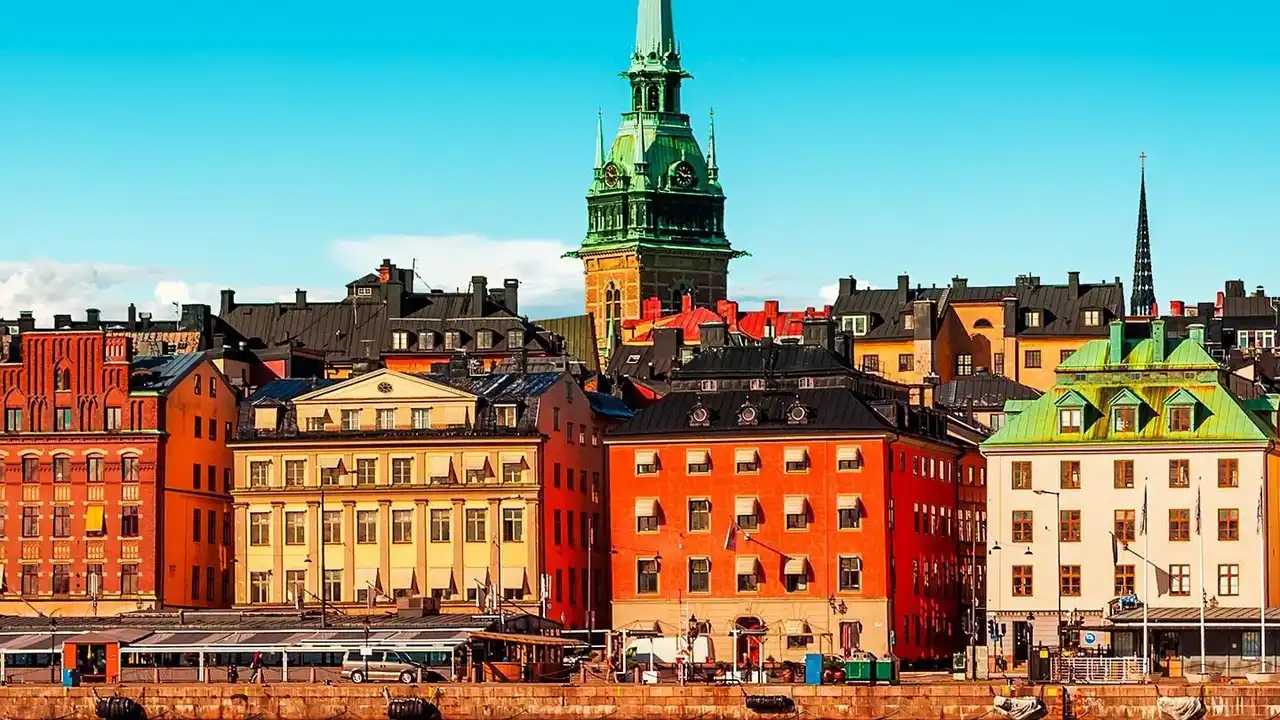
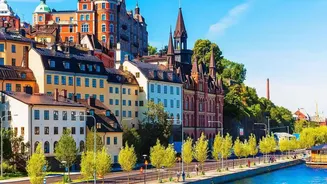
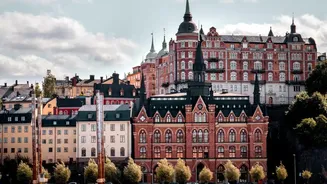
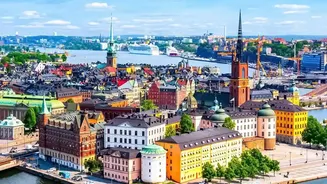
While Stockholm is a sprawling modern capital, its heart—Gamla Stan (Old Town)—is one of the best-preserved medieval city centres in Europe. Founded in 1252, its narrow, winding streets and colourful North German-style buildings transport you to another era. The City Museum of Stockholm and the Medieval Museum have even developed free audio walks for visitors. A popular self-guided route starts near the parliament building, crosses into the main square of Stortorget—site of the infamous Stockholm Bloodbath of 1520—and passes the Royal Palace and Stockholm Cathedral. Exploring this living museum on foot allows you to appreciate the details, from ancient runestones embedded in building foundations to the city's narrowest alley, Mårten Trotzigs Gränd.