


Understanding Monsoon Health Risks
The combination of high humidity, constant dampness, and stagnant water creates a perfect breeding ground for a host of health problems for dogs. Veterinary clinics across India see a sharp increase in cases of skin infections, parasitic infestations,
and dangerous waterborne diseases during the rainy season. The most common issues include fungal and bacterial skin infections, like hot spots, which thrive on fur that remains damp. Ticks and fleas also multiply in the humid environment. Perhaps the most serious threat is Leptospirosis, a severe bacterial infection spread through water contaminated by the urine of infected animals, which is rampant in flooded streets and puddles. This disease can cause kidney and liver failure and can even be transmitted to humans.
Pre-Walk Preparation is Key
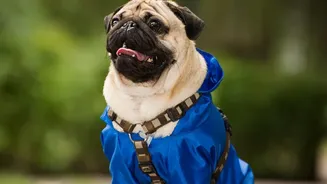
A few minutes of preparation can make all the difference. Before heading out, consider protective gear. A breathable, waterproof raincoat can help keep your dog's torso and back dry, significantly reducing the post-walk drying time. For paw protection, waterproof dog booties are an excellent option, especially if your dog tolerates them. They create a barrier against dirty water and sharp objects hidden in puddles. If booties are not an option, applying a paw wax or balm can offer a layer of protection, preventing pads from cracking and creating a shield against irritants. Also, ensure your dog's vaccinations are up to date, especially the one for Leptospirosis, which is a crucial preventive measure before the monsoon begins.
Choose Your Walking Route Wisely
Where you walk is as important as how you prepare. The biggest rule of monsoon walks is to avoid stagnant water. Steer your dog clear of puddles, waterlogged parks, and flooded streets, as these are the primary sources of Leptospirosis and other gastrointestinal problems. Try to plan walks during breaks in the rain or shift them to the early morning when there's less water accumulation. If you live in an area prone to severe waterlogging, keeping walks short—around 15-20 minutes—is a sensible precaution. Stick to cleaner paths and keep your dog on a leash to prevent them from drinking from or splashing in potentially contaminated water sources.
The Critical Post-Walk Routine
What you do the moment you get home is arguably the most critical step in preventing monsoon infections. The number one rule is to dry your dog completely after every single walk. Use a highly absorbent microfiber towel to dry their entire body, paying special attention to paws, the belly, armpits, and any skin folds where moisture can get trapped. For long-haired breeds, a blow dryer on a low, cool setting can ensure the undercoat is fully dry. Next, clean their paws thoroughly. Wipe each paw and get between the toes to remove any mud or debris. Regularly trimming the hair between the paw pads can also help, as it gives moisture and dirt less to cling to. This five-minute routine is the single best defense against the majority of monsoon-related skin diseases.
Watch for Warning Signs
Even with precautions, it's important to monitor your pet for any signs of illness. For skin issues, look for excessive scratching, redness, hair loss, or a bad odour, which could signal a fungal or bacterial infection. When it comes to Leptospirosis, early symptoms can be non-specific and include fever, vomiting, lethargy, loss of appetite, and muscle stiffness. A key indicator can be jaundice, which is a yellowing of the gums and eyes. Since monsoon illnesses can progress rapidly, it is crucial to contact your veterinarian immediately if you notice any of these signs, especially after your dog has been exposed to stagnant water.