
The Foundation: Choosing Your Backpack
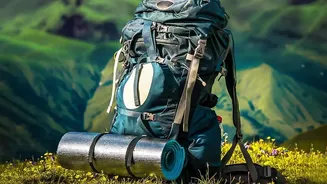
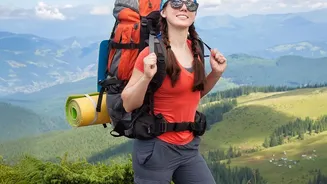
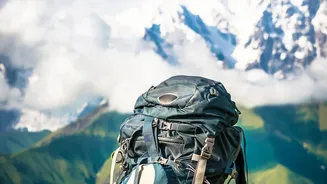
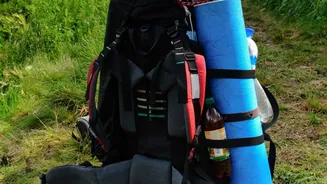
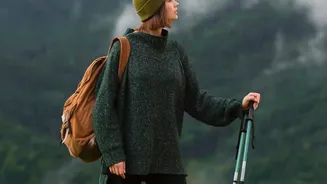
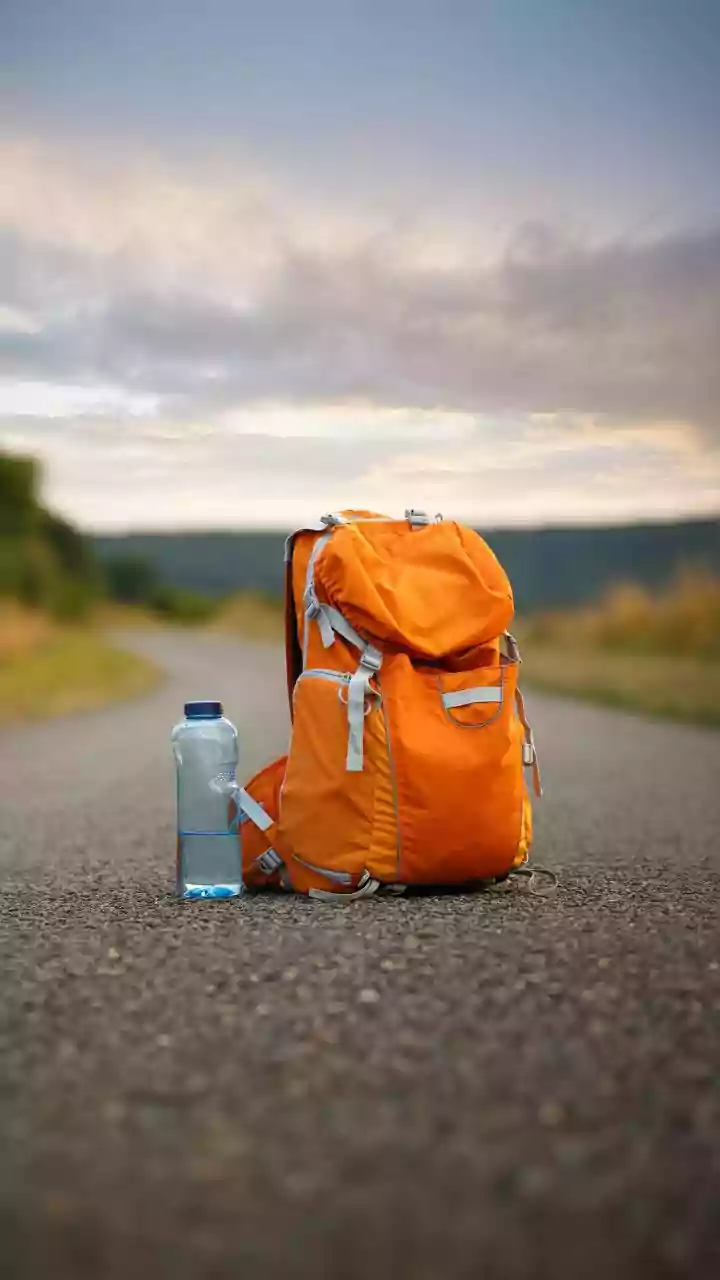
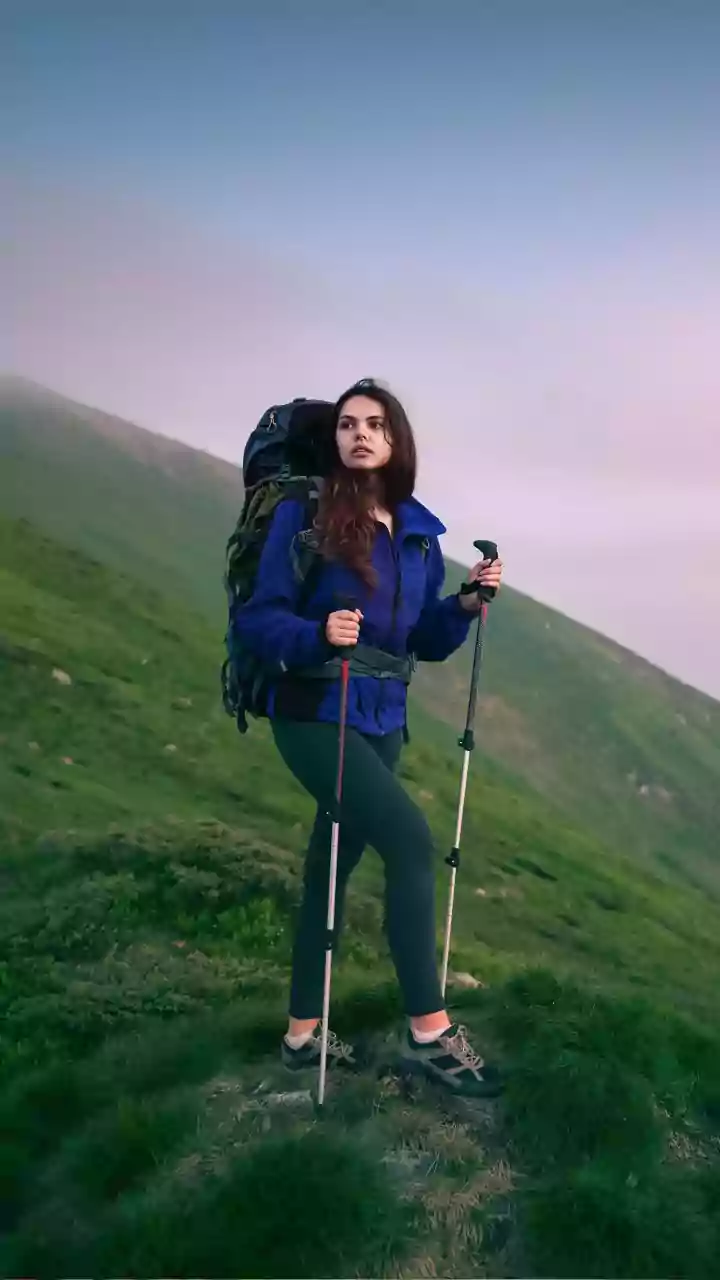
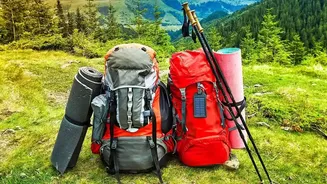
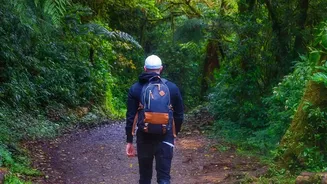
Before you think about what goes inside, consider the bag itself. For most day or weekend monsoon treks, a 30-50 litre backpack is ideal. It's large enough to hold essentials without encouraging overpacking. Look for a pack with padded shoulder straps
and a hip belt for comfort and stability on slippery trails. Most importantly, ensure it comes with a built-in or separate rain cover. A rain cover is your first line of defence, shielding your entire pack from downpours. However, don't assume a cover makes your bag completely waterproof; water can still seep through the back panel that rests against you.
The Triple-Layer Defence: Waterproofing Your Gear
Monsoon trekking is a constant battle against moisture. The key is a three-layer waterproofing strategy. First, the external rain cover protects the bag itself. Second, line the inside of your backpack with a large, heavy-duty plastic bag or a dedicated pack liner. This acts as a secondary barrier. Third, compartmentalise everything inside using smaller dry bags or sealed zip-lock bags. Group items together: one bag for clothes, one for electronics, one for snacks. This not only provides an extra layer of waterproofing but also keeps your gear organised. It may seem like overkill, but finding your spare socks are dry after a full day in the rain is a game-changer.
Clothing: Quick-Dry, Not Cotton
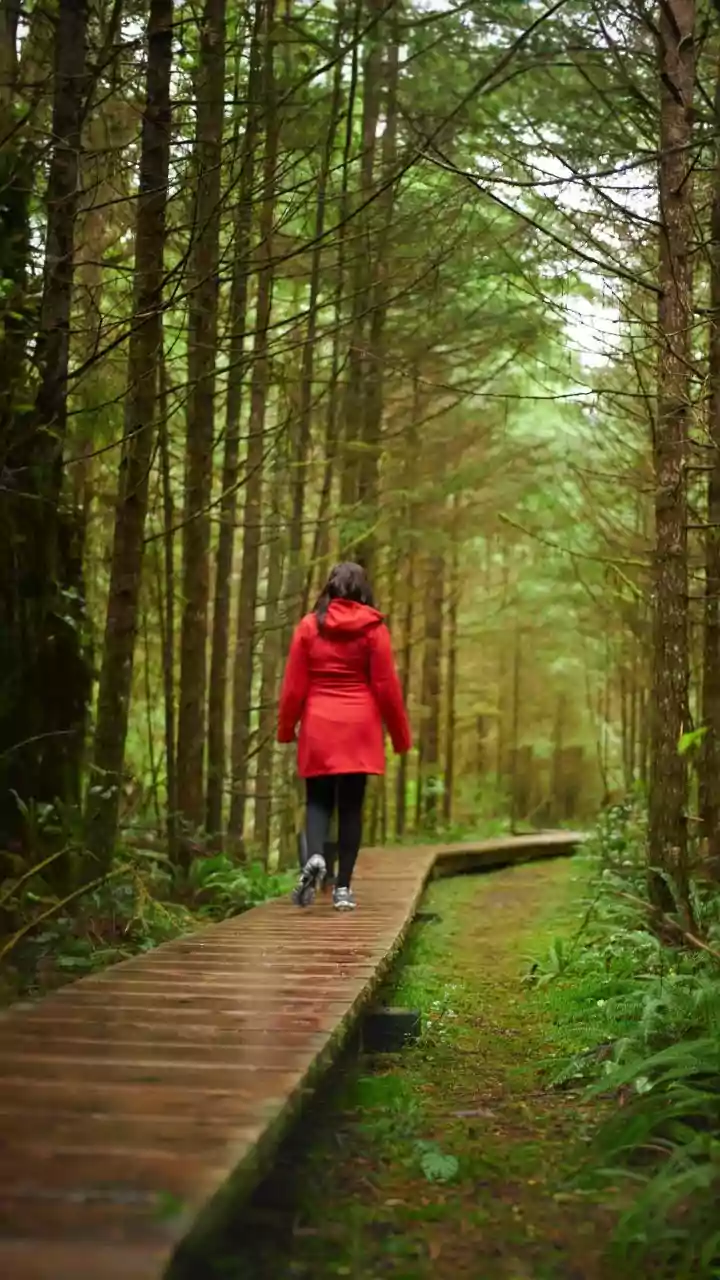
The golden rule of monsoon trekking attire is simple: no cotton. Cotton absorbs moisture, gets heavy, and takes forever to dry, which can make you feel cold and uncomfortable. Instead, opt for synthetic, quick-drying fabrics like polyester or nylon for your t-shirts and trekking pants. Dress in layers: a moisture-wicking base layer, a fleece jacket for warmth if needed, and a reliable waterproof and breathable rain jacket or poncho on top. Always pack at least one extra pair of quick-dry trousers and several pairs of extra socks. Wet feet can lead to blisters and ruin a trek, so having dry socks to change into is non-negotiable.
Footwear: Grip is Everything
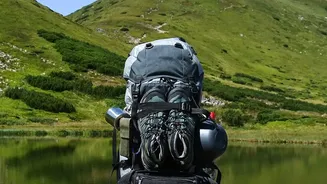
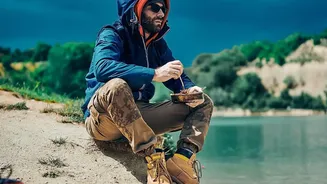
Your shoes are your most critical piece of safety gear on a slippery monsoon trail. Invest in a pair of trekking shoes with deep lugs and excellent grip to handle mud and wet rocks. Waterproof shoes with good ankle support are highly recommended to keep your feet dry and prevent twists. Just as important is to break your shoes in before the trek to avoid painful blisters. Consider packing a pair of lightweight sandals or floaters for stream crossings or to wear at your campsite, giving your feet and main shoes a chance to air out.
Safety & Navigation Essentials
Even on a well-marked trail, it's crucial to be prepared. A basic first-aid kit is a must-have, containing antiseptic wipes, bandages, blister tape, pain relievers, and any personal medications. During the monsoons, it's wise to add insect repellent and a small packet of salt or sanitiser to deal with leeches, which are common in many areas. A fully charged headlamp or torch is essential, as heavy cloud cover can make it get dark surprisingly early. Also carry a power bank for your phone, which may be your primary navigation tool. Finally, trekking poles provide extra stability on slippery descents and reduce strain on your knees.
Hydration and Energy
Trekking burns a lot of energy, and it's easy to forget to eat and drink, especially in cool, rainy weather. Carry at least two litres of water per person. To keep your energy levels up, pack high-energy, easy-to-eat snacks like energy bars, nuts, dates, and chocolates. These are lightweight and provide a quick fuel boost on the trail. Storing them in a small, easily accessible zip-lock bag will prevent you from having to dig through your entire backpack every time you need a snack.