



Dinesh Karthik: The Finisher Who Refused to Fade
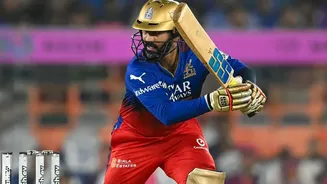
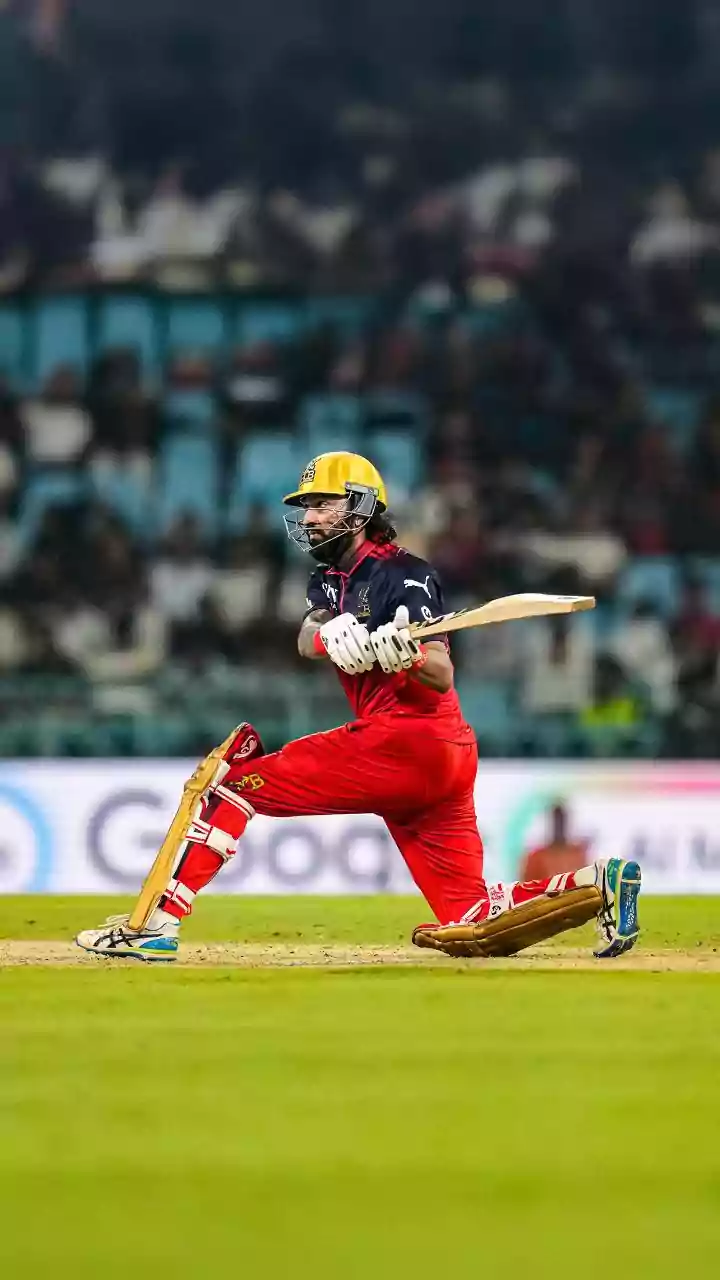
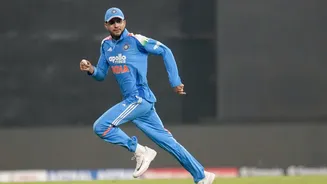
Longevity in Indian cricket is rare; comebacks are even rarer. Dinesh Karthik mastered both. For nearly two decades, 'DK' existed in the looming shadow of MS Dhoni, a circumstance that would have ended most careers. Yet, Karthik relentlessly reinvented
himself: from a technically sound keeper-batsman to a specialist opener, and finally, to a feared T20 finisher. His career is a highlight reel of resilience, but one moment defines his underrated legacy: the 2018 Nidahas Trophy final. Walking in with India needing 34 from 12 balls, he smashed 29 off just eight, sealing victory with a flat six over extra cover on the final ball. It was a breathtaking display of calm savagery that showcased the player he had become—a clutch performer who thrived under pressure. Despite playing over 180 times for India across formats, his career is often seen in fragments rather than as the complete, durable masterpiece it truly is.
Irfan Pathan: The All-Rounder Who Burned Brightest
For a fleeting, brilliant period, Irfan Pathan was the answer to India's prayers for a genuine pace-bowling all-rounder. With a smooth action and a late, unplayable inswinger, he drew comparisons to Wasim Akram. His crowning moment with the ball came in the first over of a Test match against Pakistan in Karachi, where he took a hat-trick, scything through their top order. It remains the only first-over hat-trick in Test history. Pathan wasn't just a bowler; he was a more-than-capable batsman with a Test century to his name. He was the Player of the Match in the 2007 T20 World Cup final for his crucial spell of 3/16. However, injuries and a confusing loss of form and pace meant his career, which promised generational greatness, was tragically cut short. He ended with 100 Test wickets, 173 in ODIs, and nearly 3,000 international runs, a statistical testament to a phenomenal, yet unfulfilled, talent.
Gautam Gambhir: The Man for the Grandest Stages
If big matches are the ultimate test of character, Gautam Gambhir is one of Indian cricket's highest achievers. He was the architect of India's two greatest triumphs of the modern era, yet his contributions are often footnotes in the larger narrative. In the 2007 World T20 final against Pakistan, with India stumbling, Gambhir anchored the innings with a gutsy 75 off 54 balls. Four years later, in the 2011 ODI World Cup final, after the early dismissals of Sehwag and Tendulkar silenced a nation, he walked in and absorbed immense pressure, crafting a near-flawless 97. It was an innings of immense substance that laid the foundation for the historic victory. An intense, fiery competitor who also led Kolkata Knight Riders to two IPL titles, Gambhir’s legacy is that of a warrior who delivered when it mattered most, even if he wasn't always the one to hit the winning runs or lift the Man of the Match trophy.
Zaheer Khan: The Master of Swing and Seam
For a decade, Zaheer Khan was the leader of India’s pace attack, a crafty left-armer who could make the new ball talk and the old ball dance to his tunes. In a country traditionally dominated by spin, 'Zak' was a rare gem. He mastered conventional and reverse swing, becoming an inspiration for future generations, with even England's James Anderson citing him as an influence. His genius was on full display during the 2011 World Cup, where he was the joint-highest wicket-taker with 21 scalps. He consistently provided crucial breakthroughs, using his famous knuckleball to outwit batsmen. As the second-most successful Indian pacer in Test history behind Kapil Dev, with 311 wickets, and 282 in ODIs, Zaheer was the strategic lynchpin of the bowling unit. He was the 'bowlers' captain', a quiet assassin whose impact far exceeded his highlight reels.
VVS Laxman: The Crisis Man Who Defied Champions
To call VVS Laxman underrated feels almost heretical, but within the hallowed 'Fab Four', his name was often the last to be mentioned after Tendulkar, Dravid, and Ganguly. Yet, against the greatest team of his era—Steve Waugh’s all-conquering Australians—he was a titan. His record against them was phenomenal: 2,434 Test runs with six centuries. His artistry and wristy elegance were on full display during his magnum opus, the 281 at Eden Gardens in 2001. Following on, he batted for an entire day to turn a certain innings defeat into one of the most famous victories in cricket history. It wasn't a one-off; Laxman was India's ultimate crisis manager, a specialist in second-innings heroics who repeatedly saved or won games from impossible positions. His greatness wasn't just in the runs he scored, but in when he scored them, consistently rising against the best opposition when his team needed him most.