



Meet Sattu: The Original Superfood Flour
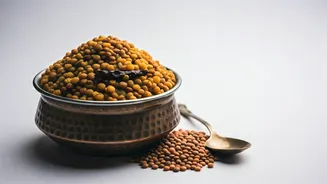
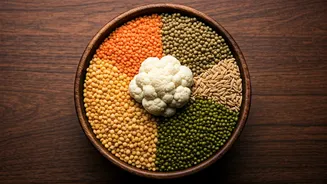
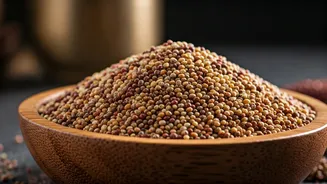
Before protein powders and energy bars filled our pantry shelves, there was sattu. At its core, sattu is a flour made from roasted Bengal gram (kala chana). This isn't the same as besan (gram flour), which is milled from raw chickpeas. The key is in the roasting;
this process gives sattu a nutty, earthy flavour and, more importantly, makes it ready to eat without any cooking. Traditionally a staple in states like Bihar, Jharkhand, and Uttar Pradesh, it has long been valued as an affordable, nutrient-dense food, especially known for its cooling properties in summer.
The Science Behind the Sustained Energy
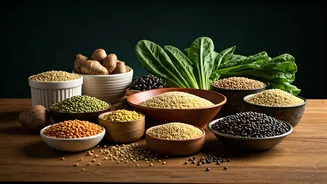
So what gives sattu its “serious lunchbox energy”? The magic lies in its nutritional profile. First, it’s an excellent source of plant-based protein, packing roughly 20-25 grams per 100g, which is crucial for muscle repair and growth. Secondly, it is high in dietary fibre. This combination of protein and fibre promotes a feeling of fullness, curbing those mid-afternoon hunger pangs that lead to unhealthy snacking. But the real hero is its low glycemic index (GI). Foods with a low GI release sugar into the bloodstream slowly and steadily. This prevents the dreaded sugar rush and subsequent crash, providing sustained energy that keeps you (or your child) focused and active all afternoon.
Sattu's Lunchbox Makeover
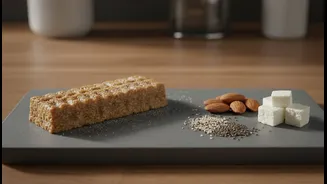
While the classic sattu sharbat is a fantastic hydrator, its versatility extends far beyond a simple drink. It’s time to think of sattu as a multipurpose ingredient ready for a modern lunchbox. One of the easiest and most portable options is making sattu energy balls or laddoos. These require no cooking and can be made by mixing sattu with a natural sweetener like jaggery or mashed dates, a bit of ghee or nut butter to bind, and additions like chopped nuts or cocoa powder for extra flavour and nutrition. Another brilliant idea is a sattu paratha. A simple dough of sattu mixed with spices, onions, and herbs makes a flavourful and incredibly filling stuffing for whole wheat flatbreads. They are perfect for a tiffin box as they taste great even when cold.
The All-Important Drink
Of course, we can’t forget the drink that started it all. Packing a sattu beverage is a fantastic way to ensure hydration and nutrition in one go. For a sweet version that kids often love, blend sattu with milk (or a plant-based alternative), a ripe banana for natural sweetness and potassium, and a few dates. It becomes a creamy, delicious milkshake that’s far healthier than packaged juices. For a more traditional and savoury take, simply whisk sattu with cold water, a pinch of black salt, roasted cumin powder, and a squeeze of lemon juice. This version is incredibly refreshing and helps replenish electrolytes lost during a hot day or after physical activity.
Making It Kid-Friendly
Getting children on board with a new flavour can sometimes be tricky. The key is to introduce it in a familiar and appealing format. Sattu energy balls can be rolled in desiccated coconut or sprinkles to make them look more attractive. When making a sweet sattu drink, adding a spoonful of cocoa or chocolate powder can make it an instant hit. You can also sneak sattu flour into other dishes. Try adding a tablespoon or two to your regular chapati dough or into a batter for savoury pancakes (chilla) made with vegetables. The nutty flavour is mild and often goes unnoticed, while still providing a significant nutritional boost.