





The Age of Technical Supremacy
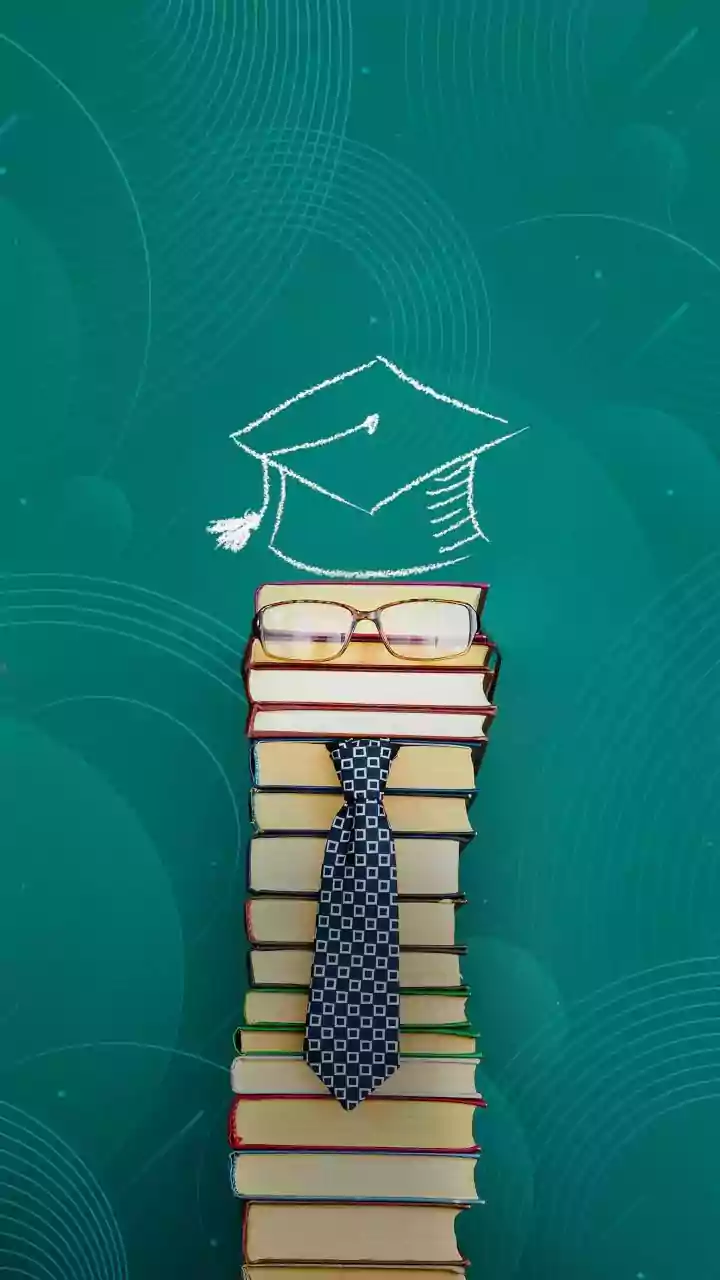
For a generation in India, the path to a stable, successful career was paved with technical qualifications. Engineering, IT, and data science became the gold standard, promising job security and upward mobility. The ability to code, manage complex systems,
or analyse data was a clear differentiator in a competitive market. Companies rewarded this expertise, and the entire education system oriented itself toward producing a workforce fluent in the languages of machines and software. This focus wasn't misplaced; it fuelled India's rise as a global technology hub and created immense opportunities. But the very success of this technological revolution has ironically set the stage for its own disruption.
The Automation Paradox
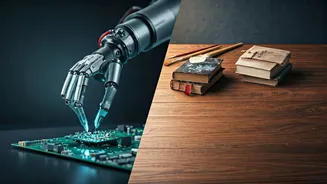
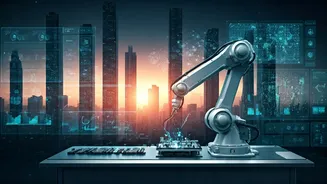
The great paradox of the 2020s is that the tools built by technical experts are now becoming proficient at technical tasks themselves. Generative AI can now write code, debug systems, and even design and test software. Repetitive and routine actions, whether on a factory floor or in a data entry role, are increasingly being handed over to automated systems. This isn't a distant future; it's happening now. While this creates incredible efficiency, it also fundamentally changes the value of purely technical roles. When a machine can perform a technical function faster and more accurately, the human operator's value must shift from execution to something else. This doesn't mean technical skills are becoming obsolete, but their role as the sole pillar of a career is weakening.
Why Creativity Resists Automation
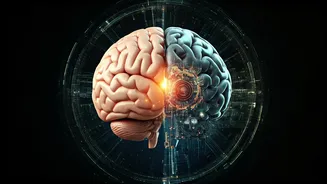
This is where creative skills enter the spotlight. In this context, 'creativity' is much broader than artistic talent. It encompasses a suite of uniquely human abilities: critical thinking, complex problem-solving, empathy, strategic thinking, and genuine innovation. An AI can be trained on all existing art, but it cannot have the personal history, emotions, or consciousness to create something truly new from a place of insight. It can follow rules and recognise patterns, but it cannot 'read the room,' navigate office politics, or inspire a team during a crisis. These skills are difficult to codify and automate because they are contextual, emotional, and often unpredictable. As AI commoditises execution, the ability to generate a powerful idea in the first place becomes the most valuable skill.
The New Skill Synergy
The future doesn't belong to creatives who can't execute, nor to technicians who can't innovate. It belongs to those who can bridge the gap. According to the World Economic Forum's Future of Jobs Report, creative thinking and analytical thinking are both ranked as top skills for the future. Employers are increasingly seeking professionals who blend technical literacy with creative problem-solving. Think of the UI/UX designer who uses empathy to understand a user's frustration before applying technical knowledge, or the marketing manager who uses creative storytelling to make sense of complex data. Technical skills tell you how to build something; creative skills tell you what to build and, more importantly, why.
Future-Proofing Your Career in India
For professionals and students in India, this shift presents both a challenge and a massive opportunity. The country's strong foundation in technology provides a powerful launchpad. The key now is to build on that foundation by deliberately cultivating human-centric skills. This means prioritising communication, collaboration, and adaptability. Companies are already signalling this shift, with a majority of recruiters in India noting a mismatch between the skills professionals have and what businesses now need. The path forward involves becoming a T-shaped professional: having deep expertise in one technical area (the vertical bar of the T) but also possessing a broad range of creative and strategic skills that allow you to work effectively across different domains (the horizontal bar). Investing in lifelong learning, especially in areas that enhance problem-solving and strategic thinking, will be the most resilient career strategy.