





Makhana: The Puffed Powerhouse
Makhana, also known as fox nuts or lotus seeds, are a fasting favourite for good reason. Light, crunchy, and incredibly versatile, these puffed seeds are considered a 'sattvic' food, believed to be pure and balancing for the body and mind. Nutritionally,
they are a fantastic snack. They are low in calories and fat but rich in essential minerals like magnesium, potassium, and phosphorus. This profile makes them excellent for heart health, as magnesium and potassium help regulate blood pressure. Makhana is also a source of protein and fibre, which helps in keeping you feeling full and energetic during a fast. With a low glycemic index, they provide sustained energy without causing sharp spikes in blood sugar. Their high antioxidant content, containing compounds like kaempferol, helps fight inflammation in the body. In the kitchen, makhana is a delight. It can be simply roasted in a little ghee and seasoned with rock salt for a simple snack, or simmered in milk to create a creamy and comforting kheer.
Kuttu: The Misunderstood 'Grain'
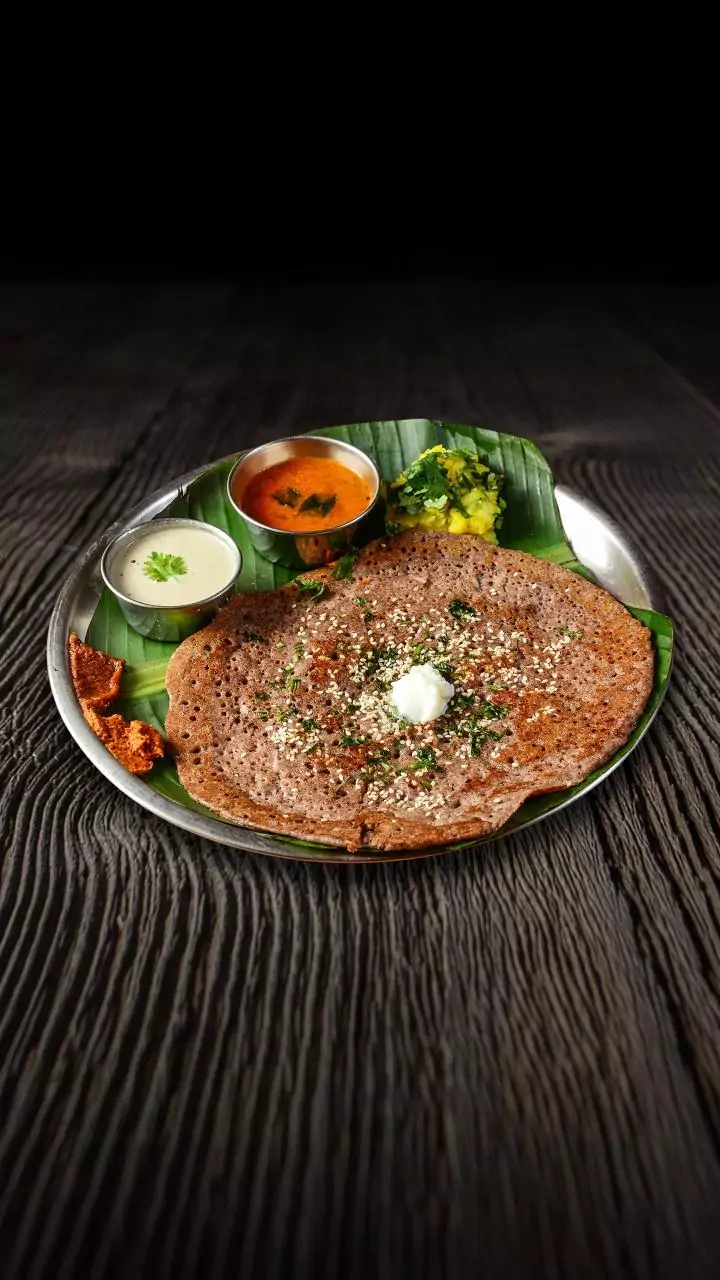
Kuttu ka atta, or buckwheat flour, is a cornerstone of vrat cooking, used to make everything from crispy puris and cheelas to hearty rotis. But here’s a surprising fact: despite its name, buckwheat is not related to wheat at all. It's not a true cereal grain but a 'pseudo-cereal'—the seed of a plant related to rhubarb. This makes it naturally gluten-free and a safe option for those with gluten sensitivities. Kuttu is prized during fasts for its dense nutritional profile. It is packed with high-quality protein, containing all essential amino acids, and is a fantastic source of dietary fibre, which aids digestion and promotes a feeling of fullness. It has a low glycemic index, ensuring a slow and steady release of energy. Furthermore, buckwheat is rich in minerals like magnesium and antioxidants like rutin, which supports cardiovascular health by strengthening blood vessels.
Rajgira: The Ancient Royal Grain
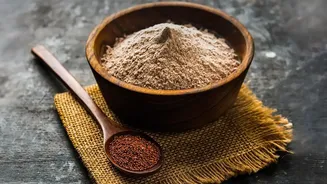
Rajgira, or amaranth, translates to 'royal grain', hinting at its esteemed status through history. Like buckwheat, rajgira is a pseudo-cereal, not a true grain, and is completely gluten-free. It has been a staple in India for centuries, particularly during religious observances. Rajgira's nutritional prowess is impressive. It is one of the most protein-rich plant-based foods available and contains the essential amino acid lysine, which is often lacking in other grains and helps the body absorb calcium. This makes it excellent for maintaining muscle and bone health. Rajgira is also a great source of fibre, iron, magnesium, and phosphorus. Its fibre content aids in smooth digestion and helps in managing weight by keeping you feeling full for longer. Rajgira is incredibly versatile. The flour is used to make soft rotis, pooris, and sheera (a sweet pudding). The tiny seeds can also be 'popped' like popcorn and used to make chikki (a brittle) or laddus, providing a crunchy, nutritious treat.
Why This Trio Works for Fasting
The combined power of makhana, kuttu, and rajgira makes them an ideal foundation for a fasting diet. All three are nutrient-dense, providing sustained energy rather than a quick rush followed by a crash. They are predominantly gluten-free, which can be easier on the digestive system, especially when eating patterns are altered. Culturally, these foods are considered pure and are permitted during periods of abstinence from grains like wheat and rice. Modern nutritional science now validates this ancient wisdom, recognizing these ingredients as 'superfoods'. They provide complex carbohydrates for energy, protein for strength, and a host of essential minerals and antioxidants to keep the body nourished and strong. Whether you are observing a religious fast or simply looking for healthier alternatives in your diet, this traditional trio offers a wealth of benefits.