




The Challenger: What Are Sodium-Ion Batteries?
At its core, the concept is simple. Instead of relying on lithium, which is rare, expensive, and largely imported, sodium-ion (Na-ion) batteries use sodium—a far more abundant and cheaper element. Think of it as the difference between a rare mineral and common
table salt. This fundamental shift in chemistry is the key to unlocking lower costs. For decades, lithium-ion has been the undisputed king of rechargeable batteries, powering everything from our smartphones to electric cars. But its reign comes with challenges, including supply chain vulnerabilities and high prices driven by the cost of raw materials like lithium and cobalt. Sodium-ion technology offers a way to sidestep these issues entirely by using readily available materials.
The 'Atmanirbhar' Advantage: Cost and Supply
The most significant advantage for India is the sheer abundance of sodium. With a long coastline, India has access to a virtually limitless supply of this core ingredient. This dramatically reduces our dependence on other countries, particularly China, which dominates the lithium supply chain. Experts estimate that at scale, sodium-ion batteries could be 30-40% cheaper to produce than their lithium-ion counterparts. This isn't just because sodium is cheap; the technology also allows for the use of less expensive components, like aluminum instead of copper, further driving down costs. This aligns perfectly with India's 'Make in India' and 'Atmanirbhar Bharat' ambitions, creating a pathway to a self-reliant energy storage ecosystem.
From Lab to Road: India's Homegrown Push
This isn't just a global trend; Indian companies and research institutions are at the forefront of this revolution. Startups like IndiEnergy, founded by IIT Roorkee alumni, are developing innovative solutions, such as creating high-performance battery components from agricultural waste like crop stubble. Other players like Rechargion, GODI, and Uneverse are also making significant strides. Even large corporations like Reliance Industries are investing in gigafactories that will produce sodium-ion cells. Government officials have noted that Indian researchers have advanced the technology to a high level of maturity (TRL-7), which means commercial production could be just two to three years away.
Performance Check: Are They Ready for Indian Conditions?
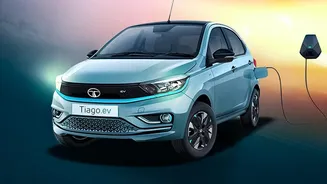
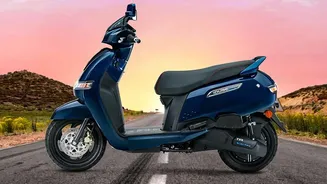
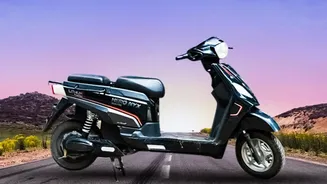
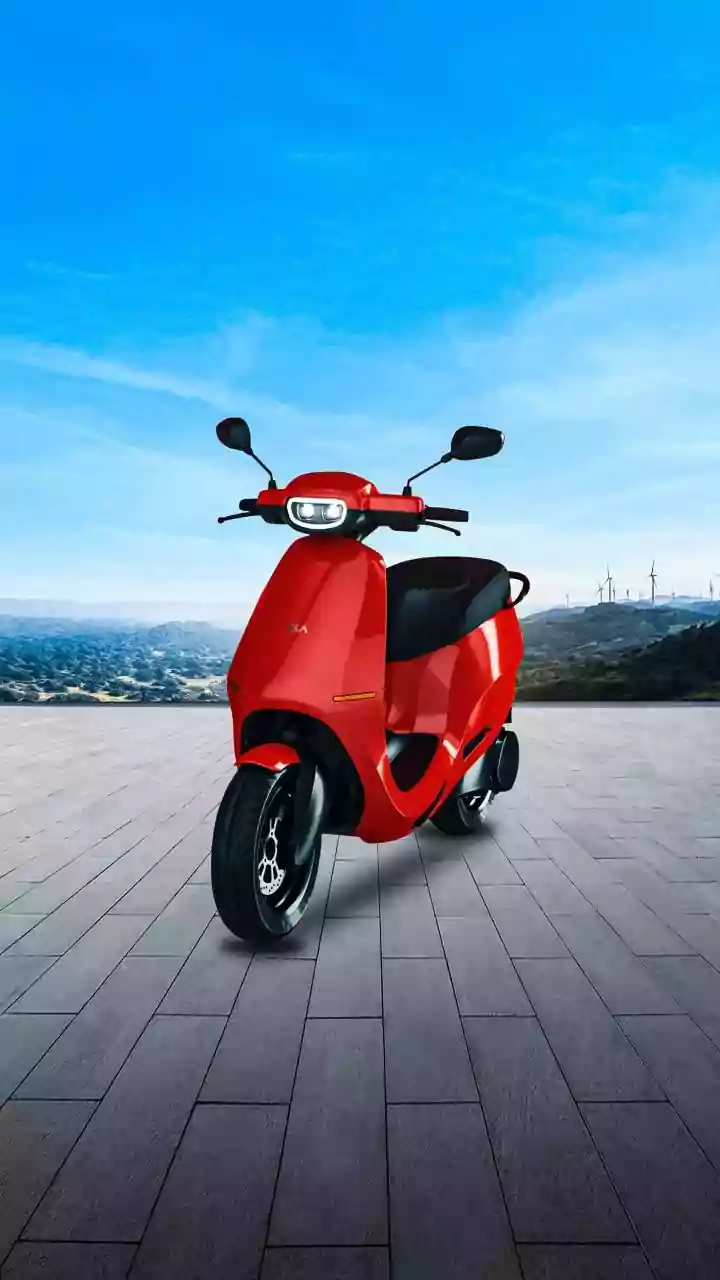
Historically, the trade-off for lower cost was lower performance. Early sodium-ion batteries couldn't store as much energy as lithium-ion ones, meaning less range for an EV. However, recent technological progress has started to close this gap. While they may not be ideal for long-range luxury EVs just yet, they are perfectly suited for the bulk of India's market: electric two-wheelers, three-wheelers, and city-focused passenger cars, where affordability is more critical than maximum range. Furthermore, sodium-ion batteries have some key performance advantages for India. They demonstrate better stability and performance in extreme temperatures—both hot and cold—and are generally safer, with a lower risk of overheating.
The Road Ahead: What to Expect
While the technology is promising, a full-scale transition will take time. Building out the manufacturing infrastructure and supply chains to compete with the established lithium-ion market is a major undertaking. However, the momentum is undeniable. Experts predict that sodium-ion batteries will start to see large-scale deployment in India between 2026 and 2028, initially targeting the two and three-wheeler segments and stationary energy storage for power grids. As production volumes increase, manufacturing costs, which are currently high due to a lack of scale, are expected to fall significantly. This progress suggests that within the next few years, the sticker price of an entry-level electric scooter or car could see a substantial reduction, making the dream of electric mobility a reality for millions more Indians.