




Your Home in Orbit, Now with Air
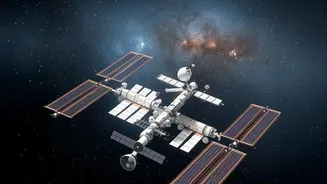
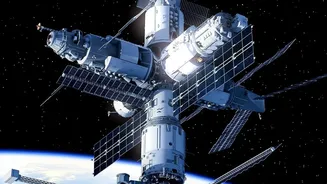
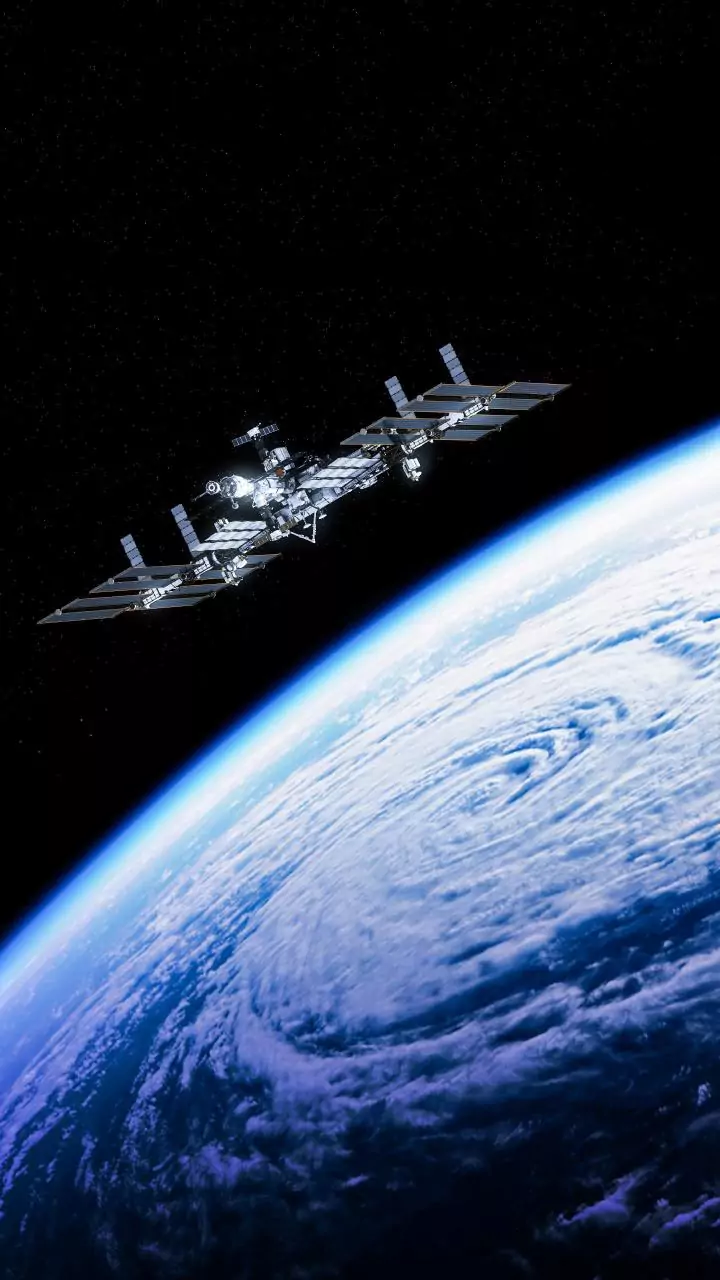
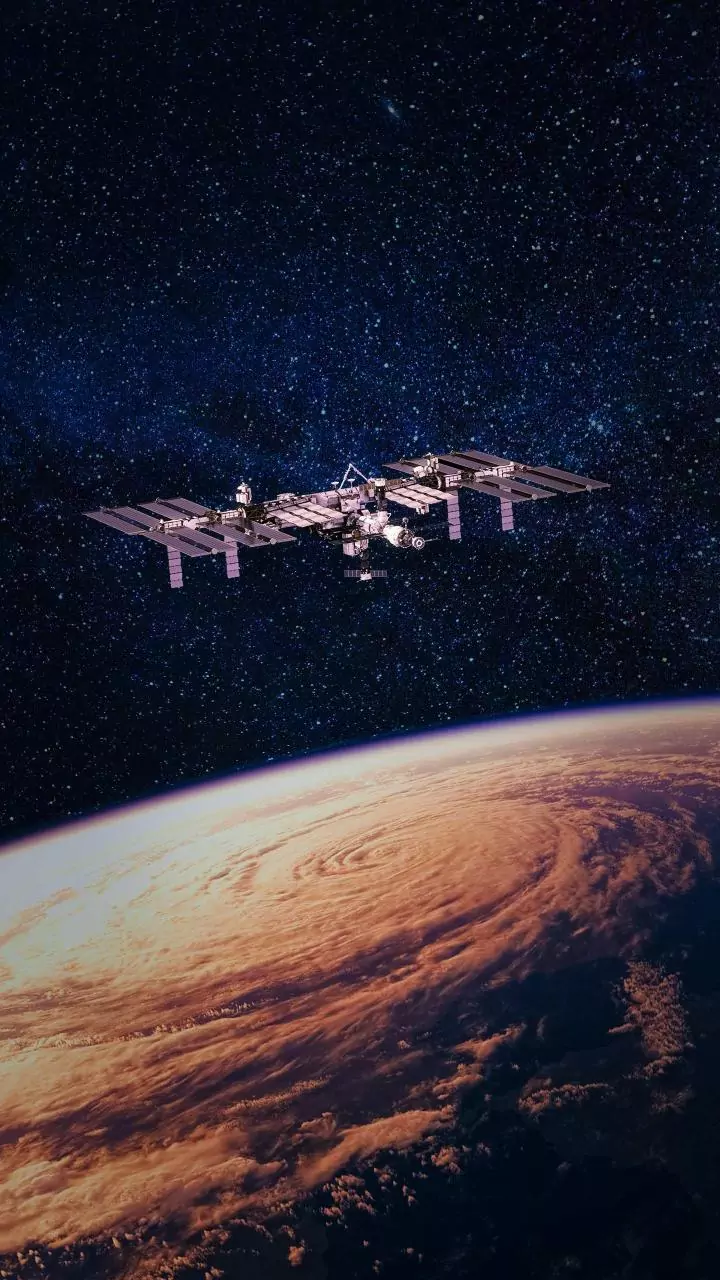
When you picture a space station, you probably imagine rigid, metallic cylinders assembled piece by piece, like the International Space Station (ISS). The next generation, however, looks more like a high-tech balloon. Inflatable habitats are structures
that launch in a compressed form and are then expanded to their full size in orbit. Instead of heavy metal walls, they are made from layers of advanced, flexible fabrics like Vectran. Once inflated, these materials form a remarkably strong and durable shell. The primary advantage is efficiency; an inflatable module can offer a much larger internal volume for its weight and launch size compared to a traditional rigid structure. This means more room for living quarters, science labs, and exercise equipment, all launched more affordably.
The Companies Building the Future
Several key players are leading the charge, with NASA's support, to develop these expandable habitats as they plan for the ISS's eventual retirement around 2030. Sierra Space is a major contender with its Large Integrated Flexible Environment (LIFE) habitat. In a series of recent tests, full-scale versions of the LIFE module have been intentionally pressurized until they burst to find their absolute limits, with results far exceeding NASA's safety requirements. These modules are slated to be a core component of the Orbital Reef, a commercial space station being developed in partnership with Blue Origin. Another major firm, Axiom Space, is also developing its own commercial station. While its initial modules are rigid, the success of inflatable technology across the industry points toward a hybrid future. These efforts build on the pioneering work of Bigelow Aerospace, which successfully attached its BEAM inflatable module to the ISS in 2016, proving the concept's viability.
A Laboratory in the Heavens
The primary purpose of these new commercial stations is to create a thriving business park in low-Earth orbit. The unique microgravity environment offers unprecedented opportunities for research and manufacturing that are impossible on Earth. For pharmaceutical companies, growing protein crystals in space can lead to a better understanding of diseases and the development of new drugs. Materials scientists can create novel alloys and substances with unique properties. Other potential applications include 3D-printing human organs, which is far more feasible in a zero-G environment. These stations won't just be for professional astronauts; they will be platforms for a wide range of researchers, companies, and even space tourists, creating a new orbital economy.
Challenges on the Horizon
Despite successful ground tests, the path to a fully operational inflatable space station is not without obstacles. The biggest challenge is proving long-term durability and safety for human occupants in the harsh environment of space. Engineers are conducting rigorous tests to ensure these habitats can withstand constant threats from space debris and radiation. Recent hypervelocity impact trials, which involve firing projectiles at high speeds to simulate micrometeoroid strikes, are a key part of this certification process. Companies like Sierra Space and its partners are using advanced multi-layer shielding to protect the habitat and its occupants. Ensuring these complex systems can be reliably deployed and maintained for years in orbit is the final frontier before these commercial outposts can open for business.
India's Own Orbital Ambitions
The race for commercial space dominance is global, and India is positioning itself as a key player. The Indian Space Research Organisation (ISRO) is planning its own space station, the Bharatiya Antariksh Station (BAS), with the first module aiming for a 2028 launch and completion by 2035. While this project is nationally led, the rapid growth of India's private space sector, encouraged by government reforms, creates a fertile ground for collaboration. As American companies demonstrate the viability of new technologies like inflatable habitats, there is significant potential for future partnerships and knowledge sharing, especially within frameworks like the U.S.-India initiative on Critical and Emerging Technology (iCET). This could accelerate the development of both public and private space infrastructure, creating a robust ecosystem for research and commerce in orbit.