





The K-Beauty Blueprint
Much of the inspiration for layering comes from the global phenomenon of Korean beauty, or K-beauty. The famous 10-step Korean skincare routine introduced a ritualistic approach that focuses on hydration, protection, and nourishment through multiple,
targeted products. Concepts like double cleansing, essences, and sheet masks, once niche, have entered the Indian mainstream, encouraging consumers to think about skincare as a deliberate, multi-step process rather than a quick chore. The explosive popularity of Korean dramas and music has further accelerated this trend, with social media influencers demystifying complex routines and making them feel accessible. As a result, imports of Korean skincare products have soared, fundamentally changing expectations around what a daily regimen can entail.
The Rise of the 'Skin-tellectual'
Today's Indian consumer is more informed and discerning than ever before. Dubbed 'skin-tellectuals', they are no longer swayed by packaging or celebrity endorsements alone; they want to know what's inside the bottle. There's a growing familiarity with active ingredients like niacinamide, hyaluronic acid, retinol, and vitamin C. Consumers are actively researching these ingredients to address specific concerns like pigmentation, acne, and signs of ageing. This ingredient-led approach naturally leads to a more layered routine, as a single product rarely contains every active one might want to use. Instead, people are curating a personal cocktail of serums and treatments, each chosen for its specific function.
A Modern Renaissance for Ayurveda
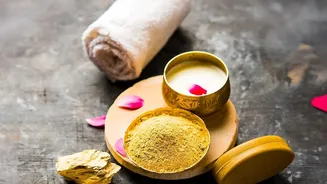
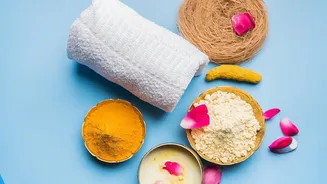
While global trends provide a template, the soul of this new layering habit is distinctly Indian. There is a powerful resurgence of interest in Ayurveda, the ancient Indian system of medicine that emphasizes holistic wellness. However, this isn't simply a return to homemade ubtans and kitchen remedies. Modern Indian beauty brands are blending ancient wisdom with cutting-edge science. Ayurvedic ingredients like turmeric, neem, saffron (kumkumadi), and ashwagandha are now being formulated into sophisticated serums, face oils, and creams. This allows consumers to layer traditional ingredients in highly effective, modern formats that deliver consistent results—something home remedies often lack. It represents a fusion where ancient rituals meet contemporary skincare science.
The D2C Revolution
The explosion of Direct-to-Consumer (D2C) brands has been a crucial enabler of this trend. Homegrown Indian brands have scaled rapidly, leveraging digital platforms to offer innovative, specialised products directly to shoppers. These brands are often built around specific ingredients or skin concerns, making it easy and affordable for consumers to build a customised, multi-step routine. The D2C model allows for greater transparency and direct engagement, fostering trust and loyalty. With the Indian D2C beauty and personal care market experiencing explosive growth, consumers have unprecedented access to a wide array of products, from potent serums to targeted treatments, fueling the layering movement.
More Than Just a Routine
Ultimately, the shift towards layered beauty habits signifies a deeper change in how Indians approach self-care. It marks a departure from a purely functional view of skincare to one that embraces ritual, personalisation, and long-term skin health. While some argue that overly complex routines can be impractical for busy lifestyles, the trend is less about rigidly following a 10-step plan and more about having the choice to create a personalised regimen. The modern Indian beauty shelf is now a curated space where a Korean essence can sit next to an Ayurvedic face oil. This layering of products is a reflection of a layered identity—one that is globally aware, scientifically informed, and deeply connected to its cultural roots.