




A major climate event is brewing in the Pacific Ocean, and its ripple effects are set to be felt across the globe. Forecasters are watching a powerful El Niño gain strength, threatening to upend weather patterns and rewrite climate predictions for 2027.
What Exactly Is El Niño?
Think of the tropical Pacific Ocean as a massive bathtub. Usually, strong trade winds blow from east to west, piling up warm surface water in the western Pacific, near Asia and Australia. This allows cooler water to rise from the depths in the east, near South America. El Niño, which means 'the boy child' in Spanish, flips this script. It’s a naturally occurring climate pattern where those trade winds weaken or even reverse. As a result, the massive pool of warm water sloshes back eastward across the Pacific. This change in ocean temperature might seem distant, but it’s so significant it alters the atmospheric circulation above it, triggering a domino effect on weather systems worldwide.
What Makes This El Niño 'Powerful'?
Not all El Niños are created equal. Their strength is measured by how much warmer the sea surface temperatures in a key region of the equatorial Pacific get compared to the long-term average. An event is typically declared when temperatures are just 0.5°C above normal. However, current forecasts from major climate agencies like the World Meteorological Organization (WMO) and NOAA indicate this event is far exceeding that baseline. Some models predict temperature anomalies could reach or surpass 2.0°C, the threshold for a 'very strong' or 'Super El Niño'. Scientists are confident this event will persist with high intensity through the Northern Hemisphere's winter of 2026-2027, peaking around December.
Global Weather Turned Upside Down
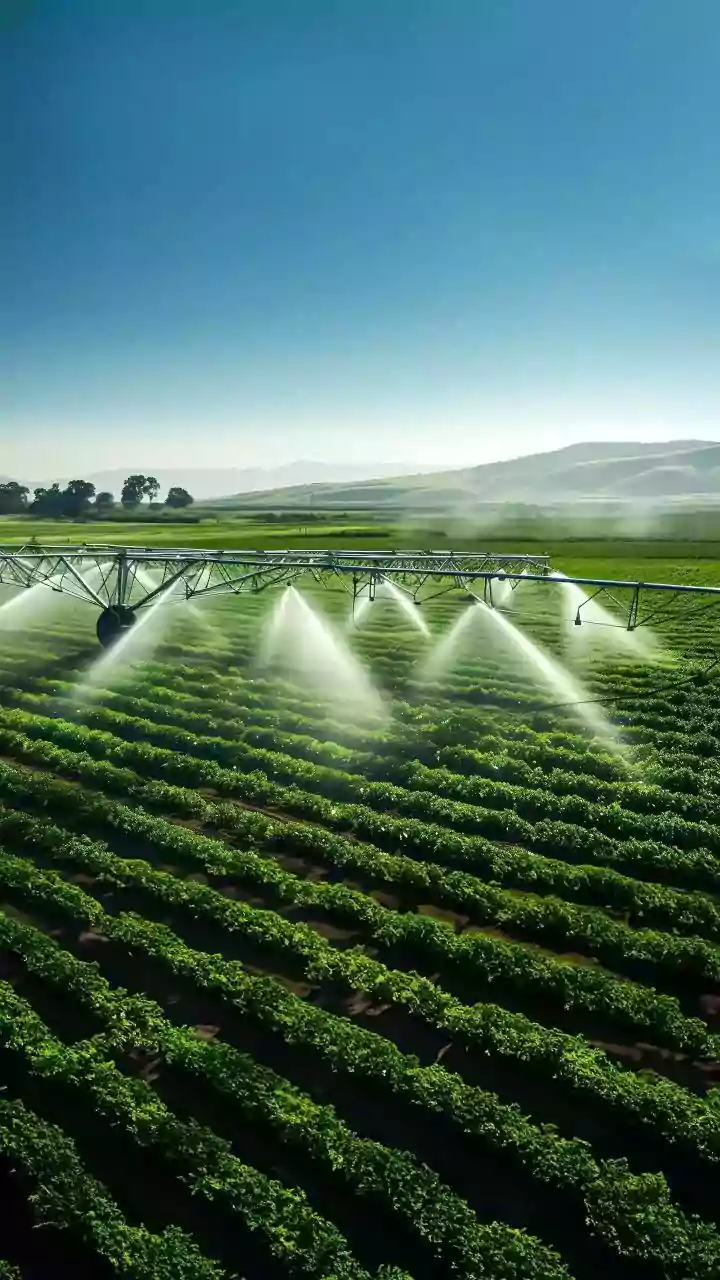
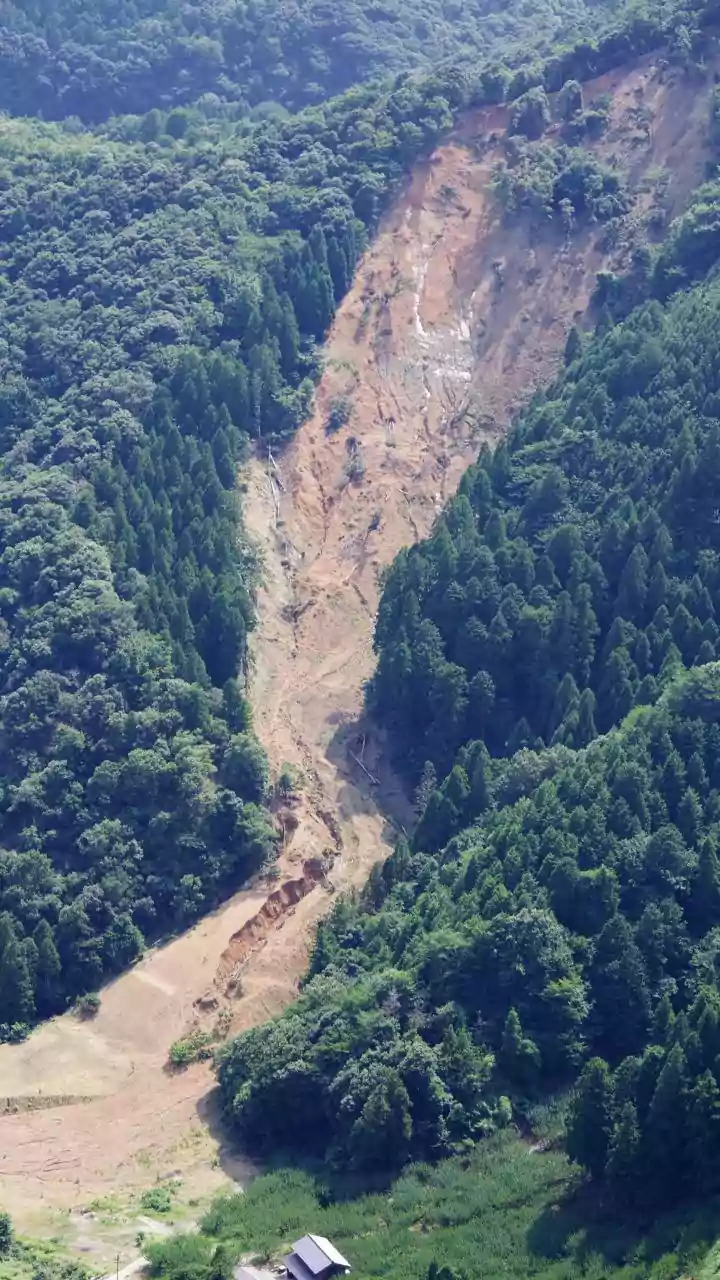
A powerful El Niño acts like a major reorganization of the planet's weather. The shift in warm water and rising air creates droughts and increases wildfire risk in normally wet places like Australia, Indonesia, and parts of Asia. Conversely, it can bring devastating floods and heavy rainfall to the typically arid coasts of South America. Other classic impacts include warmer, drier winters in parts of North America and shifts in hurricane and cyclone activity. These disruptions can have severe consequences, impacting everything from agriculture and water supplies to fisheries and public health, triggering humanitarian crises in vulnerable regions.
The Big Question: What Does This Mean for India?
For India, the primary concern during an El Niño year is its impact on the vital southwest monsoon. Historically, strong El Niño events are associated with a weaker monsoon and reduced rainfall across the subcontinent. This happens because the atmospheric shifts over the Pacific disrupt the normal circulation patterns that drive moisture-laden winds toward India. A deficit in monsoon rainfall can lead to drought conditions, strain water resources, and have a significant negative impact on the country's agriculture-dependent economy. However, the relationship isn't always straightforward. Other climate factors, like the Indian Ocean Dipole (IOD)—a similar pattern of sea surface temperature variations in the Indian Ocean—can sometimes counteract El Niño's drying effect. Furthermore, recent studies show the impact can vary regionally, with some parts of India becoming more sensitive to El Niño's influence than others.
A Force Multiplier for Climate Change
While El Niño is a natural cycle, it is now occurring in a world that is already warmer due to human-driven climate change. The WMO has noted that this El Niño is releasing a tremendous amount of heat from the ocean into the atmosphere, which is adding to already record-breaking global temperatures. This combination doesn't just make for a warmer year; it acts as a 'risk multiplier'. It can make extreme weather events—be it heatwaves, droughts, or floods—more intense and unpredictable than they would be otherwise. The current El Niño is pushing the climate system into what some scientists have called 'uncharted waters', accelerating sea-level rise and further stressing marine ecosystems already dealing with ocean heatwaves.