



A Paradise Under Pressure
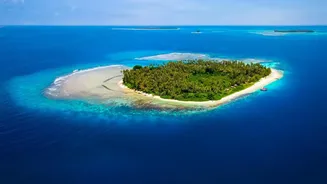
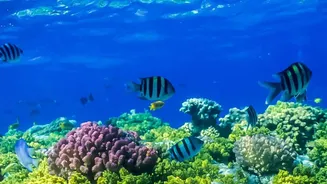
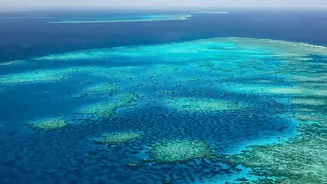
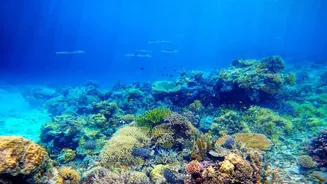
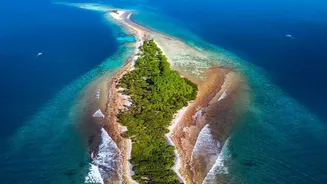
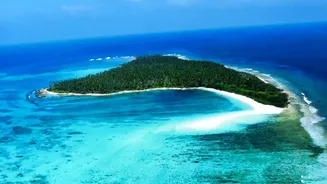
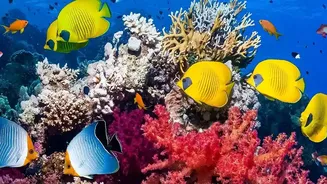
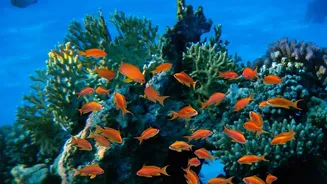
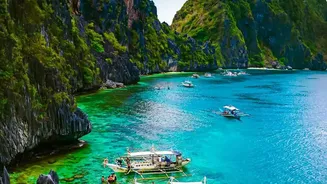
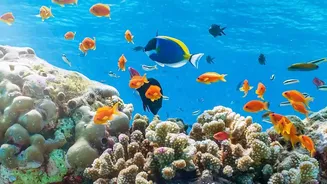
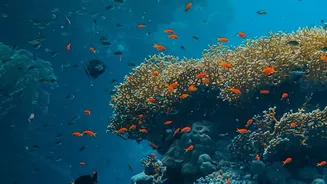
Lakshadweep, an archipelago of 36 islands, is one of India’s most stunning natural treasures, boasting vibrant coral reefs, crystal-clear lagoons, and rich biodiversity. This unique ecosystem, however, is incredibly delicate. The atolls face significant
threats from rising sea levels, coral bleaching due to increasing sea surface temperatures, and potential damage from unregulated tourism. Events of coral bleaching were reported as recently as March 2024, highlighting the urgent need for protective measures. Recognizing these vulnerabilities, authorities have been working on a new development model that balances economic progress with robust environmental conservation.
A Blueprint for Preservation
The sustainable tourism framework is a multi-faceted strategy designed to manage development and tourism's impact. A key component is the Integrated Island Management Plan (IIMP), which calls for measuring the 'carrying capacity' of each island to determine how many visitors it can sustainably support. This approach, supported by entities like NITI Aayog, aims to position Lakshadweep as a model for responsible tourism. The framework is also part of the national Swadesh Darshan 2.0 scheme, which funnels investment into creating sustainable and responsible tourism destinations across India. The goal is to create a future where Lakshadweep's economy and its pristine nature can thrive in harmony.
Pillars of the New Framework
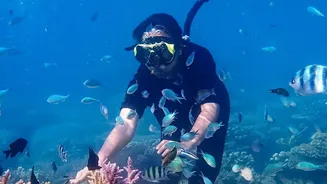
The framework is built on several key pillars. Firstly, visitor access is managed through a mandatory permit system, which helps regulate the number of tourists and ensures their movements are tracked. Secondly, there is a strong focus on eco-friendly infrastructure. This includes promoting resorts that utilize solar energy, rainwater harvesting, and advanced waste management systems. A complete ban on single-use plastics is also in effect to combat marine pollution. Thirdly, activities like scuba diving and snorkeling are governed by strict guidelines to protect the fragile coral reefs and marine life, with an emphasis on educating tourists about responsible practices.
Protecting Marine and Coastal Habitats
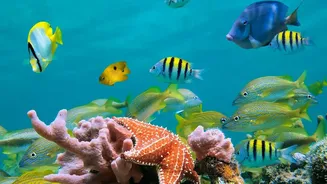
Specific measures are in place to safeguard the underwater world. The Department of Environment and Forest rigorously enforces wildlife laws and manages protected areas, including the Dr. Salim Ali Pitti Bird Sanctuary. There are active projects focused on monitoring and conserving key species like sea turtles and humpback whales. In June 2026, a Standard Operating Procedure (SOP) was released to unify efforts in managing sea turtle nesting sites, protecting them from artificial light and human encroachment. These efforts are complemented by coral transplantation programs and ongoing monitoring by organizations like the Zoological Survey of India to combat bleaching and aid recovery.
Community at the Core
A hallmark of Lakshadweep's sustainability model is the deep involvement of local communities. Islanders are integral to planning and managing tourism, ensuring that development aligns with their cultural values and provides direct economic benefits. This community-led approach fosters a sense of stewardship, empowering residents as the primary guardians of their natural heritage. The framework supports showcasing local arts and crafts while building new skills to help islanders participate in the evolving tourism economy. This ensures that growth is not only sustainable but also inclusive, benefiting the people who call this paradise home.