







The Crucial Final Act of the Monsoon
The southwest monsoon, which provides about 75% of India's annual rainfall, isn't a monolithic event. Its performance in September, the withdrawal phase, is uniquely critical. By this point, the Kharif (summer) crops are in their final growth stages,
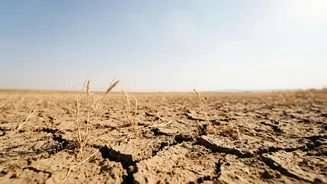
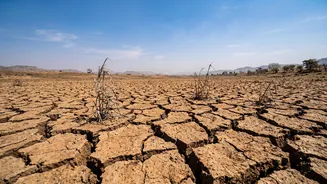
and their yield depends on this last burst of moisture. A strong September can salvage a season that started with a deficit, while a premature withdrawal can wither promising fields. As of late August 2026, the monsoon was reported to be about 13% below normal, making the final month's rainfall absolutely decisive for the agricultural sector.
A Tale of Two Harvests: Kharif and Rabi
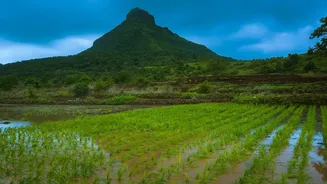
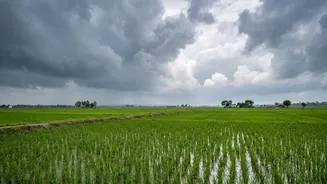
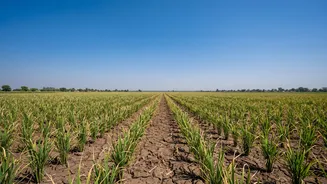
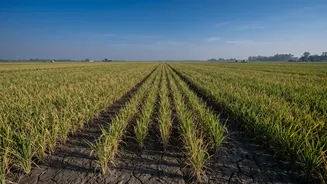
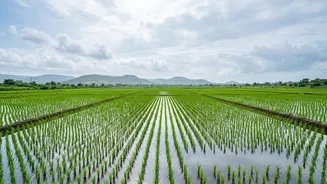
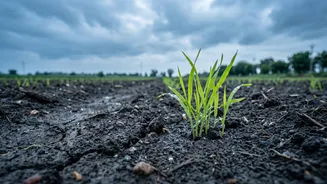
September's rain has a dual role, influencing both the ongoing Kharif harvest and the upcoming Rabi (winter) sowing season. For Kharif crops like rice, pulses, and soybeans, late-season rain is essential for grain filling and maturity, directly determining the final output. Any deficit can stunt yields. Simultaneously, these rains are vital for replenishing soil moisture. This moisture is the foundation for the Rabi season, when farmers sow critical crops like wheat, mustard, and gram. A dry September means farmers might have to delay sowing or switch to less water-intensive crops, impacting the future supply of staples. A weak monsoon hits food supply twice: first the Kharif crop, then by leaving less water for the Rabi season.
Filling the Lifeline: Reservoir Levels
Beyond the immediate farm, September's rainfall is crucial for topping up India’s major reservoirs. These water bodies are the lifeline for irrigation, drinking water, and hydroelectric power generation through the long dry season that follows. As of late August 2026, water storage in India's major reservoirs was noted to be about 18% below the previous year's levels, although overall levels were at about 68% of live capacity. Healthy reservoir levels ensure that even if the monsoon is sub-par, there's a buffer for the Rabi crop's irrigation needs and stable power generation. Deficient September rains can leave this buffer dangerously low, creating stress on water and power resources for months to come.
From Puddles to Prices: The Market Connection
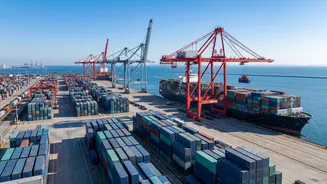
The journey from a raindrop to the price tag on your groceries is surprisingly direct. The performance of the monsoon directly shapes food supply. A poor harvest reduces the availability of essential commodities, leading to a mismatch between supply and demand. This scarcity first drives up prices in wholesale markets (mandis), and this inflation inevitably trickles down to retail consumers. Food items constitute a significant portion of India's Consumer Price Index (CPI), so a spike in food prices can drive overall inflation higher. Economists have warned that weak September rains, coupled with other factors, could push headline inflation upwards in the coming fiscal year. It also affects government policy, potentially triggering measures like export bans on certain commodities to ensure domestic availability, which has global ripple effects.
The 2026 Outlook: All Eyes on the Skies
As India heads into September 2026, the situation is delicately poised. The monsoon season has been uneven, with some regions facing significant deficits. While kharif sowing has recovered from early-season shortfalls to be only slightly behind last year, crop yields are not guaranteed without adequate late-season rain. Economists and policymakers are watching closely, as the performance in the next few weeks will determine agricultural output, influence rural demand, and set the course for food inflation for the remainder of the year. The final verdict on the 2026 monsoon and its economic impact will be written by the rains, or lack thereof, in September.