




More Than Just Idli and Paratha
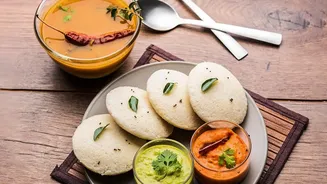
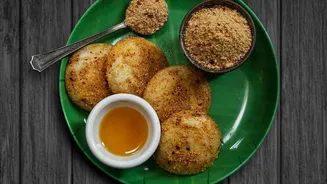
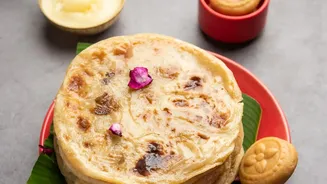
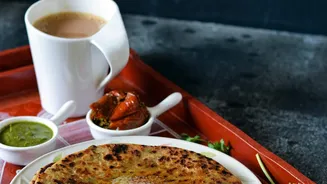
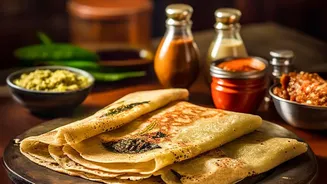
For years, the idea of a commercial Indian breakfast in big cities was largely limited to a few pan-Indian staples. You could easily find South Indian fare like idli and dosa or North Indian classics such as parathas. While beloved, these dishes barely
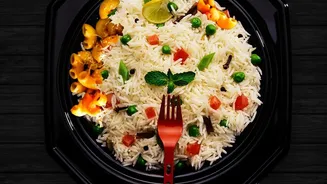
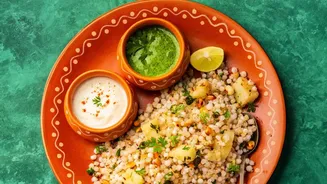
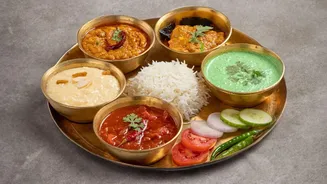
scratch the surface of India's breakfast traditions. Today, urban menus are exploding with variety. Maharashtrian eateries are celebrated for their fiery Misal Pav and comforting Poha. Restaurants are serving up Bengali Luchi with Aloor Dom, Bihari Litti Chokha, and Kerala's Appam with stew. This isn't about replacing the classics, but rather expanding the palate to embrace the authentic tastes that millions grew up with in different parts of the country.
A Craving for Comfort and Authenticity
A major driver of this trend is nostalgia. As millions of people migrate to metropolitan hubs for work and education, they bring with them a longing for the tastes of home. A plate of Poha-Jalebi in Bengaluru isn't just breakfast; it's a taste of Indore. For many, these dishes offer a sense of comfort and belonging in a fast-paced urban environment. This demand has fueled a new wave of restaurateurs who are moving beyond generic labels. Instead of just another 'Indian' restaurant, they are opening specialist eateries dedicated to the authentic flavours of a specific region, from Tamil tiffin rooms in Mumbai to cafes celebrating the cuisine of Mangaluru.
The Undeniable Health Factor
The return to regional breakfasts also aligns perfectly with a growing wellness consciousness. Many traditional Indian breakfast dishes are inherently healthy, using methods like steaming and fermenting, and featuring nutrient-dense ingredients like millets, lentils, and fresh vegetables. Idli, for example, is steamed and its fermented batter provides probiotics that aid gut health. Misal is built around protein-rich sprouted lentils. Upma, made from semolina and loaded with vegetables, offers complex carbohydrates for sustained energy release. These meals provide a balanced mix of protein, carbs, and fibre, keeping you full longer and preventing the mid-morning cravings associated with sugary, processed foods.
Fuelled by Social Media and Food Discovery
The visual appeal of these regional dishes has made them a hit on social media platforms. The vibrant red curry (kat) of a Kolhapuri Misal, the fluffy texture of a plate of Puttu, or the artful assembly of a Dabeli are all highly Instagrammable. Food bloggers and influencers have played a significant role in popularizing hidden gems and creating buzz around regional eateries. This digital word-of-mouth has turned many neighbourhood joints into city-wide destinations. This increased visibility encourages a culture of food exploration, where urbanites are more curious and willing to try dishes from outside their own culinary traditions, driving further demand for authenticity and variety.