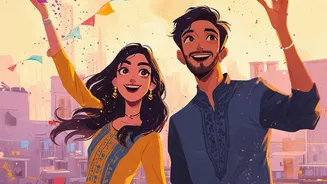

The Dating Dialogue
For generations, the path to partnership in India was relatively straightforward and family-driven. Today, that script is being rewritten. The rise of dating apps and globalised views on romance have introduced a new vocabulary of relationships that doesn't
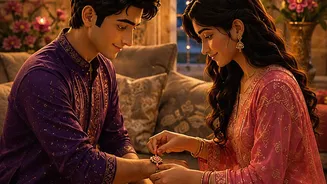
always translate easily at the dinner table. The conversation is no longer just about arranged versus love marriage; it's about the very concept of dating. For many young Indians, discussing a romantic relationship with parents is fraught with anxiety. The fear isn't just about disapproval, but about escalation—the assumption that any relationship is a direct precursor to marriage. This creates a space where concepts like casually dating, getting to know someone, or even live-in relationships become difficult to broach. Consequently, many young people lead parallel lives, carefully managing their social presence and hiding relationships to avoid conflict, a situation that can lead to stress and anxiety.
Redefining Career and Family Ties
The conversations extend far beyond romance into the very structure of life and family. With increasing urbanisation and a shift from joint to nuclear family units, young Indians are prioritising individual autonomy in ways previous generations might not have. Career choices, once heavily influenced by parents with an emphasis on stable, prestigious professions like medicine or engineering, are now a subject of negotiation. Young adults are increasingly arguing for paths in creative fields, entrepreneurship, or roles that offer work-life balance over just financial security. This discussion is fundamentally about values: family honour and security versus personal fulfilment and passion. Similarly, the decision to move to another city for a job or to delay marriage to focus on a career sparks debates that pit traditional expectations against modern aspirations. These aren't easy conversations, but they represent a crucial shift towards a more individualistic sense of self within the family unit.
Festivals: Tradition Meets Individualism
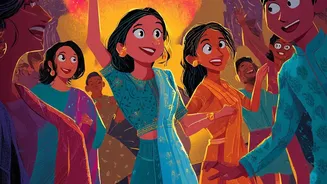
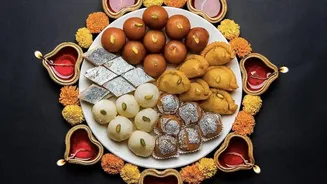
Festivals have always been the vibrant, beating heart of Indian family life, steeped in rituals and community. For young Indians, they remain important, but the nature of participation is changing. The conversation is shifting from obligation to choice, from rigid ritual to personal meaning. While older generations may focus on the precise execution of traditions, younger members are often more interested in the spirit of the celebration—connection, joy, and a break from routine. This can lead to negotiations over everything from the length of a puja to the types of food served. Interestingly, there's a renewed enthusiasm for festivals among Gen Z, often driven by social media and a desire to connect with their cultural roots on their own terms. They are embracing ethnic wear, creating fusion recipes, and even opting for minimalist or eco-friendly celebrations. This reinvention ensures traditions stay relevant, blending age-old customs with a modern, individualistic flair.
The New Language of Connection
Underlying all these conversations is a fundamental change in how generations communicate respect and love. For many young Indians, financial independence and exposure to global cultures have provided them with a new sense of agency. They are not necessarily rejecting their heritage, but seeking to adapt it to their lived realities. The challenge lies in finding a language that bridges the generational divide. It requires parents to see their children as individuals capable of making their own choices and for young adults to understand the cultural values and concerns that shape their parents' perspectives. These ongoing negotiations—whether about a partner, a career, or a religious ritual—are not a sign of family breakdown. Rather, they are the growing pains of a culture in transition, forging a new, hybrid identity that honours both the individual and the collective in a rapidly changing world.