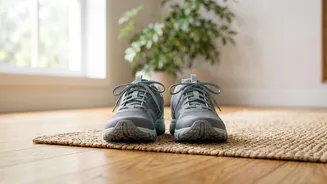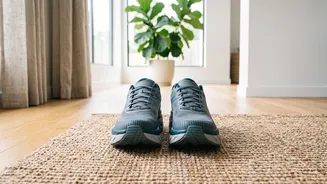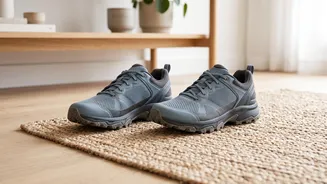







When bad weather, a tight schedule, or safety concerns get in the way of a walk, it's easy to skip exercise. But what if your living room could be your new favourite walking path? Indoor walking is a simple, practical, and effective solution.
The Ultimate Convenience
The single
greatest advantage of indoor walking is its unbeatable convenience. There are no barriers between you and your workout. Rain, snow, or scorching heat cannot cancel your plans. You don't need to drive to a gym, find a safe path, or even change into special gear. This removes common excuses and makes it easier to build a consistent routine, which is the true key to achieving fitness goals. Whether it's a few laps around the house during a work break or marching in place while watching TV, indoor walking fits into the pockets of your day, making movement an accessible part of your life, not a logistical challenge.
Real Health Benefits, Zero Equipment
Don't underestimate the power of walking in place. It delivers significant health benefits that are comparable to its outdoor counterpart. Regular brisk walking—even indoors—is a low-impact cardiovascular exercise that strengthens your heart and lungs, helps regulate blood sugar, and lowers the risk of chronic conditions like heart disease and type 2 diabetes. It's also gentle on your joints, making it a safe option for beginners or those with conditions like arthritis. Physically, it improves circulation, strengthens muscles, and helps with weight management. Mentally, the simple act of moving can release endorphins, helping to alleviate stress and boost your mood.
How to Get Started Indoors
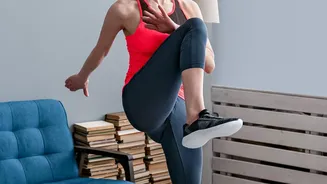
Starting your indoor walking journey requires no special equipment, just a small patch of clear space. The foundation of most indoor walking workouts is marching in place. Stand tall, engage your core, and lift your knees while swinging your arms naturally, just as if you were walking outside. From there, you can introduce variations to keep it interesting and target different muscles. Try side steps, where you step one foot out to the side and bring the other to meet it. You can also incorporate gentle front kicks or high knee lifts to increase intensity. If you have stairs, walking up and down them is an excellent way to boost your heart rate and build leg strength. For those who prefer more guidance, thousands of free indoor walking videos are available online, offering structured routines for all fitness levels.
Making Your Indoor Walk More Effective
To prevent boredom and maximise results, it's important to add variety to your indoor walks. One of the best ways to do this is with intervals: walk at a brisk pace for one or two minutes, then slow down for a minute to recover, and repeat. Music is a great motivator; a playlist with a tempo of 120–130 beats per minute (BPM) can naturally help you keep a steady, brisk pace. You can also 'habit stack' by pairing your walk with another activity, like listening to a podcast or watching your favourite show—a 30–minute episode can equal a full workout. For an added challenge, incorporate simple bodyweight exercises. Every five minutes, pause for 30 seconds of squats, wall pushups, or glute bridges to build strength alongside your cardio.