





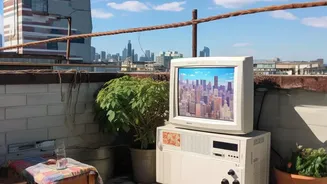
The Scale of Our Digital Footprint
India's cities are drowning in electronic waste. As one of the world's largest consumers of electronics, the country generates millions of tonnes of e-waste annually, with projections showing a steady increase. Some estimates from 2026 suggest this figure
is around 4.5 million tonnes per year, ranking India third globally. Much of this isn't from large industries, but from our own homes: old phones, broken appliances, and power tools bought for a single task and then forgotten. A staggering 90% or more of this waste is managed by the informal sector or ends up in landfills, leaching toxic materials like lead and mercury into our soil and water. This creates a massive environmental and health crisis, born from the very convenience we seek in modern urban life.
Enter the Library of Things
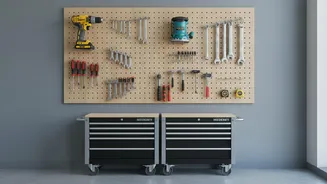
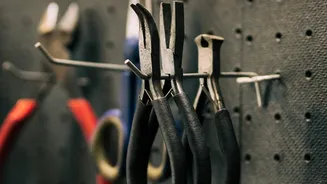
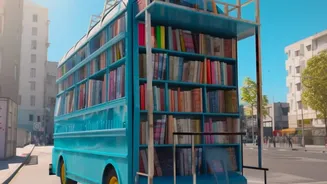
Imagine a library, but instead of books, you borrow a ladder, a sewing machine, or an electric screwdriver. This is the simple but powerful concept behind a 'Library of Things'. In the context of large residential societies, this translates to a shared inventory of tools and equipment that residents can access on demand. Instead of a hundred families each owning a drill that’s used for maybe an hour in its entire lifetime, the community shares a few high-quality ones. This model is often managed through a simple app or a dedicated space within the complex, allowing residents to easily reserve and borrow what they need, when they need it. It’s a practical solution that directly tackles the issue of redundant consumption.
From 'I Own' to 'We Can Access'
The shift is more than just practical; it's philosophical. Tool-sharing models encourage a move away from hyper-individualism and towards collaborative consumption. This mindset—valuing access over ownership—is the cornerstone of the circular economy. By extending the life and utility of each item, communities drastically reduce the need for new manufacturing, which in turn saves natural resources and cuts down on the pollution associated with production and shipping. For the individual, it means less clutter in increasingly compact urban homes and significant cost savings. For the community, it means a smaller collective environmental footprint.
More Than Just Less Waste
The benefits of a communal tool library extend far beyond waste reduction. These initiatives are powerful community-building engines. When a resident borrows a tool, it often sparks a conversation with a neighbour, strengthening social ties that are frequently weak in transient urban environments. This sense of community is a recognised benefit in co-living spaces, a rapidly growing housing trend in Indian metros like Bengaluru and Mumbai, which often incorporate shared amenities to foster interaction. Furthermore, these sharing models promote a culture of repair and maintenance. Some libraries even host 'repair cafes', where residents can learn to fix broken items instead of discarding them, sharing skills and knowledge in the process.
Building the Foundation for Change
Implementing a tool-sharing system does come with challenges, such as initial setup costs, ensuring tool maintenance, and managing liability. However, the success of informal sharing on neighbourhood social media groups and the rise of formal 'Libraries of Things' in cities worldwide prove these hurdles are surmountable. The key is starting with a few trailblazers willing to champion the idea within their residential community. Technology platforms, similar to those used in co-living and rental services, can streamline the process of booking, tracking, and communication. As urban India continues to grow, integrating such collaborative models into the fabric of our residential communities is not just a nice idea—it's a necessary step towards a more sustainable and connected future.