






Why Go Solo in South Goa?
While North Goa is famous for its lively parties, South Goa offers a different kind of magic, especially for those travelling alone. The pace is slower, the beaches are cleaner, and the atmosphere is geared towards relaxation and introspection. It’s a region
where you can read a book uninterrupted, take long walks on near-empty shores, and connect with nature. For solo travellers, particularly women, South Goa is widely considered one of the safer and more welcoming parts of the state, with a strong sense of community and respectful local culture. It’s the ideal choice if your goal is to recharge and disconnect rather than party.
Getting There and Around
Your journey will likely start at Dabolim Airport (GOI) or Madgaon (Margao) Railway Station. From either point, pre-paid taxis are a reliable option to get to the south. Once you're settled, renting a scooter is the most popular way to explore the area, offering freedom and flexibility for around ₹250-₹400 per day. Roads are generally safe, but always wear a helmet and avoid riding on unlit rural roads after dark. If you're not comfortable on a scooter, local auto-rickshaws are plentiful for shorter trips between beaches like Palolem and Agonda.
Agonda Beach: Perfecting Serenity
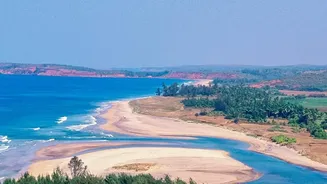
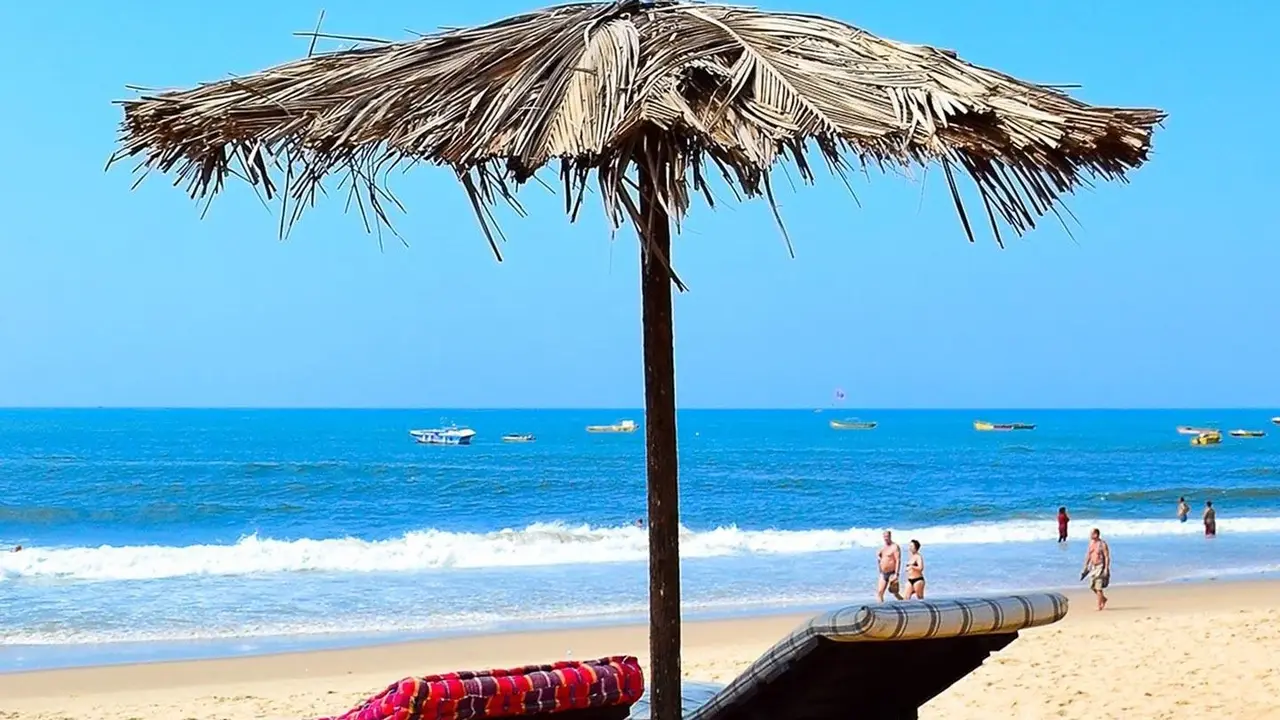
Agonda is the perfect blend of tranquility and convenience. The nearly three-kilometre-long beach is wide, clean, and stunningly beautiful, protected as an Olive Ridley turtle nesting site. While it has enough beach shacks, yoga shalas, and quiet restaurants to feel comfortable, it strictly avoids the loud music and party culture of the north. It’s a place where your days are filled with swimming, sunbathing, and perhaps a kayak trip to the elusive Butterfly Beach. For accommodation, you can find everything from budget guesthouses and eco-resorts to charming beachfront huts.
Hacks for Agonda
Stay Smart: Choose a beachfront hut for the sound of the waves, but for better value, look for guesthouses on the main road just a minute's walk from the sand.
Eat Local: While the beach shacks offer great views, the smaller, family-run restaurants in the village serve more authentic and affordable Goan food.
Find Your Community: Agonda is a hub for yoga and wellness. Drop into a class at one of the many shalas like Khaama Kethna to meet like-minded travellers.
Explore Beyond: Use Agonda as a base to visit nearby Cola Beach with its stunning blue lagoon or the historic Cabo de Rama Fort for breathtaking sunset views.
Galgibaga Beach: The Untouched Turtle Haven
Further south lies Galgibaga, one of Goa’s most pristine and protected beaches. Often called Turtle Beach, it's a critical nesting site for Olive Ridley turtles, and the northern end of the beach is protected by the Forest Department. This is not a place for parties or water sports; it’s a destination for pure, undisturbed nature. The beach is exceptionally clean, quiet, and feels like a true escape from the world. There are very few shacks and limited accommodation, which helps preserve its raw beauty.
Hacks for Galgibaga
Visit Responsibly: The turtle nesting season runs from November to March. If visiting during this time, be extremely mindful. Avoid flash photography, stay away from marked nesting sites, and never disturb the turtles. To witness the conservation efforts, you can join a guided night walk organised by conservation groups.
Day Trip is Best: Due to the limited infrastructure, many solo travellers prefer to visit Galgibaga on a day trip from Patnem or Agonda. It’s about a 20-30 minute scooter ride from Agonda.
Pack Accordingly: Bring your own water, snacks, and sunscreen, as facilities are minimal. There are only a couple of small, local eateries serving fresh seafood.
Enjoy the Silence: The main activity here is walking the long, empty stretch of sand and enjoying the peace. It’s the perfect spot for quiet contemplation and photography.
Essential Safety Tips for Solo Travellers
Goa is generally safe, but it's always wise to take precautions. Inform someone of your itinerary, even if it's just the host of your guesthouse. Avoid walking alone on isolated beaches or dark roads after sunset. While beachwear is common, dress modestly when visiting villages or religious sites out of respect for local customs. Always trust your instincts; if a situation feels uncomfortable, remove yourself from it. The local community is often protective of tourists, so don't hesitate to ask for help from a shack owner or shopkeeper if needed.