




Verify Weather and Road Access
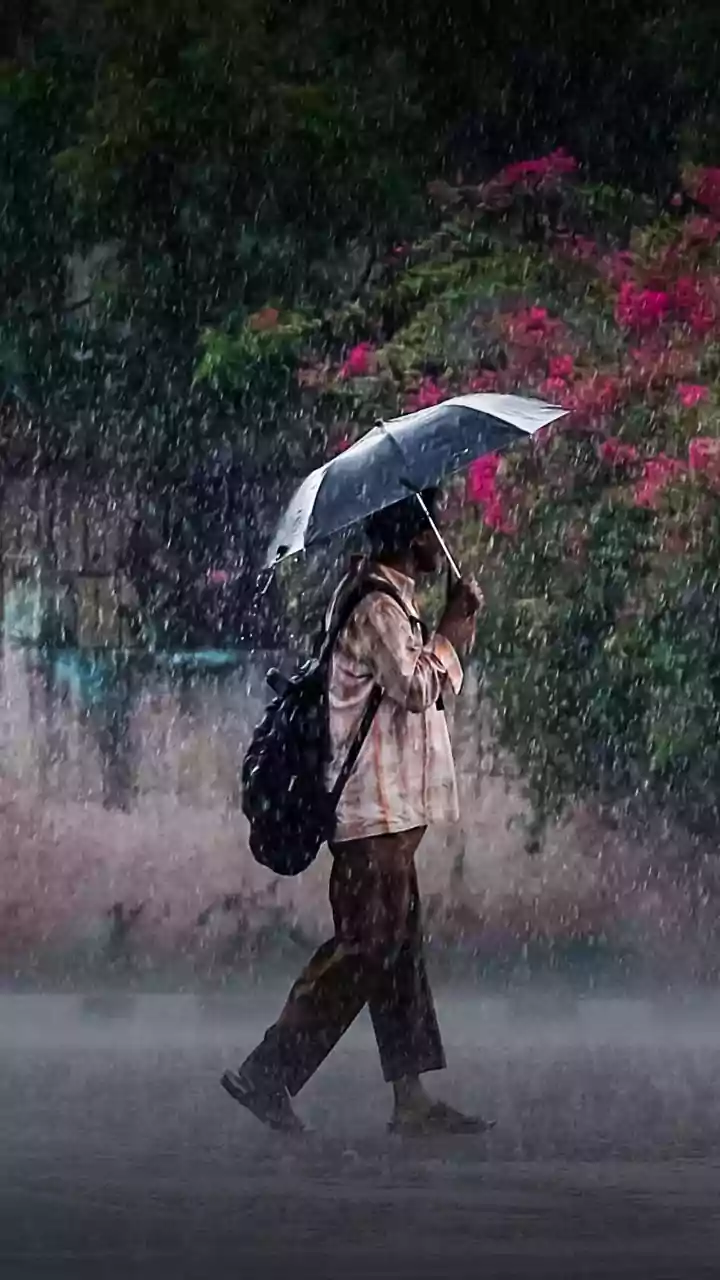
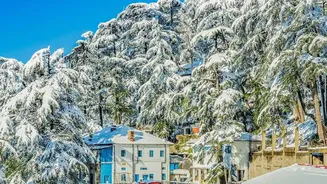
Mountain weather is famously unpredictable, and September is a prime example. A warm, sunny morning can give way to a chilly afternoon with rain or even an early-season dusting of snow, especially at higher elevations. Before booking, don't just check
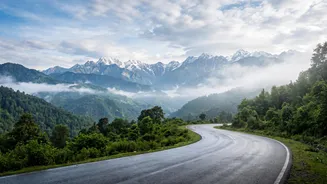
the immediate forecast; look at historical weather patterns for your destination. More importantly, verify the status of key mountain passes and access roads. Many scenic high-elevation roads that are open all summer may have scheduled closures for maintenance or can close abruptly due to weather. For instance, some national park roads begin to close in September or have limited hours. Check official transport or national park websites for any advisories, planned construction, or potential closures that could affect your ability to reach your hotel or explore the area.
Check for 'Shoulder Season' Closures
That bustling mountain town you saw in summer photos might be a lot quieter in September. As the peak tourist season ends, many businesses adjust their hours or close entirely for a break before the winter rush. This is often called the 'shoulder season'. Before you pay for a room, call the hotel directly and ask about their on-site amenities. Is the pool still open? What are the restaurant's hours? Then, ask about the town itself. Inquire if the main attractions, gear rental shops, and a good selection of restaurants will still be operating. Some businesses may close right after a holiday weekend in early September, while others stay open until October. A quick bit of research can prevent you from booking a trip to a town where most things are shut down.
Understand Local Events and Crowd Levels
September can be a mixed bag for crowds. While it's generally quieter than July and August, some areas host popular fall festivals, like Oktoberfest celebrations or leaf-peeping events, that can cause accommodation to sell out and prices to spike. Conversely, some towns can feel completely empty. Do a quick search for local events during your planned dates. Fewer crowds can be a huge bonus, offering more space on popular trails and a more relaxed atmosphere. But if you’re looking for a lively scene, make sure you aren't booking during a 'dead week' between seasonal peaks.
Be Aware of Increased Wildlife Activity
Autumn is a very active season for wildlife. For many animals, like elk, it’s mating season, while for others, like bears, it’s a period of intense foraging before winter hibernation. This means you are more likely to encounter animals, sometimes even on or near hotel properties. While this can be a highlight of your trip, it's also a safety consideration. Be aware of local advisories regarding wildlife. Hotels in these areas often provide information on how to be 'bear aware' and what to do during an encounter. Never approach or feed wildlife. This is especially true of male elk, which can be aggressive during the rutting season.
Review Cancellation Policies and Pack Smart
Given the potential for unpredictable weather and sudden closures, flexibility is key. Before you commit, carefully read the hotel’s cancellation policy. A booking with a forgiving cancellation window can save you a major headache if an early snowstorm closes the only road to your destination. Travel insurance is also worth considering. When it comes to packing, layers are your best friend. Plan for multiple seasons in one day. A t-shirt, a fleece or mid-layer, and a waterproof and windproof outer jacket will allow you to adapt to changing conditions. Even if the forecast looks warm, pack a hat, gloves, and warm socks. Sturdy, waterproof footwear is also essential, as trails can be slippery with wet leaves or even patches of ice and snow in shaded spots.