








Your Brain on Food
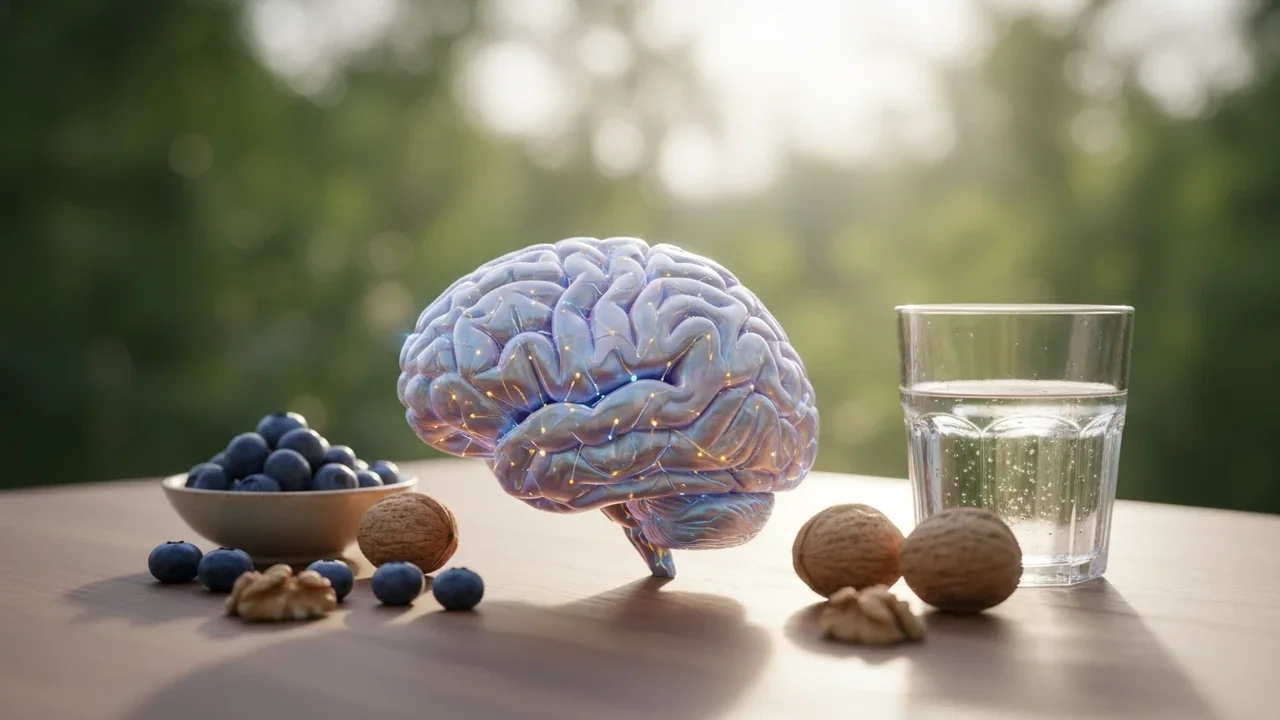
What you eat directly affects the structure and function of your brain. Think of your brain as a high-performance engine; it needs premium fuel to run optimally. Diets rich in fruits, vegetables, whole grains, and lean proteins provide essential nutrients
and antioxidants that protect brain cells from damage. In particular, foods packed with omega-3 fatty acids, like salmon, and antioxidants, found in berries and leafy greens, are linked to better cognitive function and a reduced risk of diseases like Alzheimer's. Conversely, diets high in processed sugars and refined carbohydrates can impair memory, promote inflammation, and worsen your body's regulation of insulin, all of which are harmful to the brain. Researchers are increasingly focusing on the gut-brain axis, recognising that a healthy digestive system contributes to better mental clarity and mood stability.
Movement Is Medicine
Physical activity is one of the most powerful interventions for promoting brain health at any age. Regular aerobic exercise, like brisk walking, swimming, or cycling, increases blood flow to the brain, which is vital for its function. This increased circulation delivers more oxygen and nutrients while supporting the growth of new neurons. Studies have demonstrated that consistent exercise is associated with better memory, planning, and problem-solving skills, even in young adults. Exercise also releases a cocktail of beneficial chemicals, including brain-derived neurotrophic factor (BDNF), which supports neuroplasticity, and endorphins, which improve mood and reduce stress. Both aerobic and strength training have been shown to be beneficial, helping to reduce inflammation and build cognitive reserve, which is the brain's ability to withstand age-related changes.
The Power of Human Connection
Humans are wired to be social, and our brains thrive on connection. Recent studies have underscored that social interaction is not just a pleasant pastime but a critical component of cognitive health. Engaging in meaningful conversations and activities stimulates various parts of the brain, including those responsible for memory, attention, and problem-solving. Research shows that individuals with strong social networks and regular community engagement experience slower rates of cognitive decline. In fact, social isolation is now recognised as a significant risk factor for dementia. Maintaining friendships, volunteering, or participating in group activities helps build a 'cognitive reserve,' making the brain more resilient to the effects of aging.
Use It or Lose It
The brain's ability to change and adapt, known as neuroplasticity, is a key focus for scientists. Just like a muscle, the brain gets stronger with use. Engaging in mentally stimulating activities challenges your brain to form new neural connections. This doesn't have to mean doing complex puzzles every day, though that can help. Lifelong learning in any form—whether it's picking up a new language, learning a musical instrument, or even trying a new hobby—contributes to this process. These activities build up your cognitive reserve, which acts as a buffer against age-related decline and disease. The key is to engage in activities that are novel and challenging, pushing you just outside your comfort zone.
Mastering Your Stress
While short-term stress is a normal part of life, chronic stress can be toxic to the brain. When you are constantly stressed, your body releases high levels of the hormone cortisol, which can disrupt memory, increase inflammation, and contribute to mood disorders like anxiety and depression. Scientists are studying how stress management techniques can protect the brain. Practices like mindfulness, meditation, and deep breathing exercises have been shown to calm the nervous system, lower cortisol levels, and improve focus. Even a simple 10-minute walk can help clear your mind and lower blood pressure. By learning effective coping strategies, you can mitigate the harmful effects of stress and support long-term cognitive function.