



Solar Energy's Hidden Vulnerability
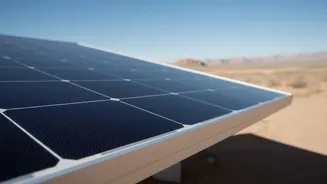
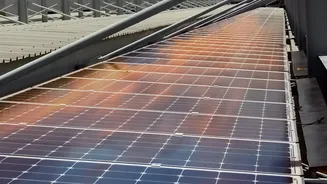
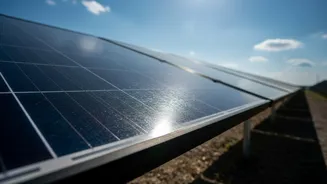
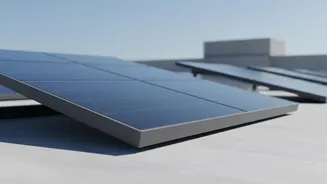
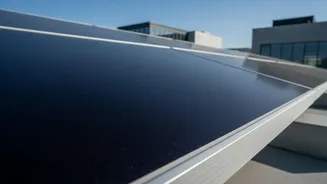
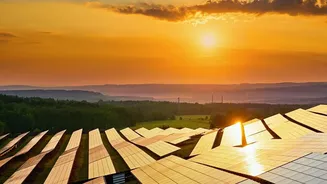
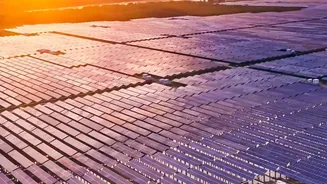
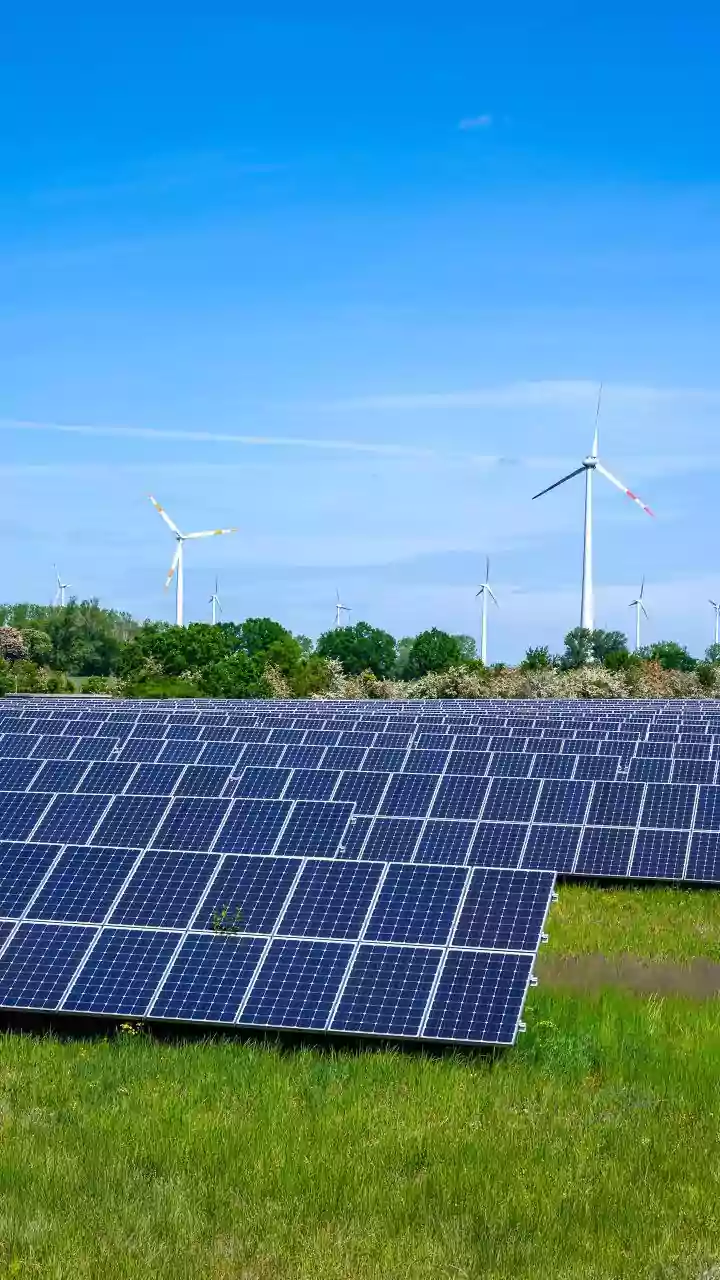
Solar farms are crucial to our renewable energy goals, but the panels and supporting infrastructure are not invincible. They are constantly exposed to harsh environmental conditions. The most significant threat is ultraviolet (UV) radiation from the sun,
the very source of their power. Over time, this UV exposure, along with temperature fluctuations, moisture, dust, and dirt, causes physical and chemical degradation. This process, known as photodegradation, reduces the efficiency of solar cells and can damage structural components, leading to costly repairs and a shorter operational lifespan for the entire farm. Operators face a persistent challenge: how to protect their multi-million dollar investments from the slow, steady decay caused by the environment.
A Solution Inspired by the Ocean's Depths
In the search for a solution, scientists are looking to nature's own master of pigment and protection: the squid. The dark ink that squid release as a defense mechanism is rich in melanin, the same pigment that protects human skin from sun damage. Melanin is a remarkable biopolymer. Its primary function is to absorb a broad spectrum of light, including harmful UV rays, and dissipate that energy safely as heat. This prevents the radiation from damaging sensitive cells. Researchers theorized that if they could harness this natural protective capability, they could create a powerful shield for man-made structures.
Crafting a Bio-Synthetic Shield
While using natural squid ink is possible, it isn't practical for large-scale industrial applications due to challenges in harvesting and purification. Instead, researchers have focused on creating a bio-synthetic version. The process involves synthesizing molecules that mimic the chemical structure and properties of natural melanin. Scientists can create polymers like polydopamine, which has a structure very similar to the eumelanin found in squid ink and human hair. This synthetic approach allows them to produce a pure, consistent material and even fine-tune its properties for specific applications, such as enhancing its ability to scavenge the free radicals that cause degradation.
How Synthetic Melanin Works
When applied as a coating to solar farm infrastructure, this synthetic melanin acts as a formidable barrier. Its core strength is its broadband absorption; it effectively soaks up UV radiation that would otherwise degrade the materials underneath. Interestingly, research shows that the protective function of melanin is actually enhanced after intense UV exposure, meaning it becomes even better at its job over time. Beyond just blocking light, the melanin material can also act as an antioxidant, neutralizing harmful chemical reactions on the surface. This dual-action protection—physically blocking radiation and chemically inhibiting damage—makes it a highly effective tool for preservation.
From the Laboratory to the Landscape
This technology is moving beyond theoretical models. Researchers have successfully applied melanin-based materials to surfaces, demonstrating their protective qualities. For instance, studies have shown that adding melanin to other materials, like polylactic acid (PLA), significantly enhances their structural stability and resistance to UV radiation in harsh environments. Other research has explored using melanin to actually improve the performance of solar cells by enhancing their light-emitting characteristics. The next phase involves pilot programs and real-world testing on solar farms to quantify the long-term benefits, such as the extension of equipment lifespan and reduction in maintenance costs.
The Future of Biomimicry in Industry
The development of squid ink-inspired melanin is part of a larger, exciting trend in materials science known as biomimicry—learning from and mimicking strategies found in nature. From adhesives inspired by gecko feet to efficient turbines based on whale fins, scientists are increasingly finding that nature has already solved many of our most complex engineering problems. This melanin research not only promises to make our renewable energy infrastructure more resilient but also opens the door for other applications, from advanced sunscreens to protective coatings for aerospace components. It represents a shift towards more sustainable, biologically-inspired technologies.