



For years, the promise of modern urban life was convenience, often served in a takeaway box. But a quiet yet powerful shift is happening in Indian cities, as people are turning away from processed meals and back towards their own kitchens.
A Response to Burnout
After years
of hyper-convenience and algorithm-driven food delivery apps, many urban professionals are experiencing burnout from the very systems designed to make life easier. In response, they are craving experiences that feel grounded, intentional, and real. The act of cooking provides a therapeutic escape from screen-heavy, fast-paced lives. Chopping vegetables, kneading dough, or tempering spices requires presence and focus, transforming a daily chore into a form of self-care. This return to the kitchen is not just about producing a meal; it’s about reconnecting with a process and finding a meditative quality in the deliberate, slow act of preparing food from scratch.
The Wellness Awakening
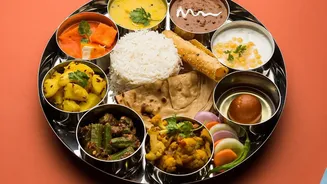
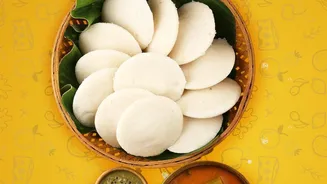
Alongside the mental benefits, a major driver of this trend is a growing consciousness around health and wellness. As awareness about the negative effects of processed foods, hidden sugars, and preservatives becomes more widespread, people are seeking greater control over their ingredients. Home cooking offers a direct solution, allowing individuals to choose fresh, high-quality components and avoid the additives common in restaurant and packaged meals. This shift aligns perfectly with the inherent wisdom of traditional Indian diets, which have long emphasized seasonality, gut health, and nutritional balance. Concepts like fermentation and using fibre-rich whole foods, which are now global wellness buzzwords, have always been integral to India's culinary heritage.
Nostalgia and Cultural Reconnection
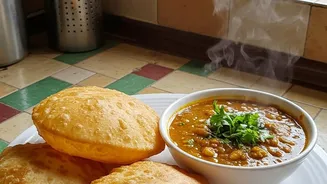
In an increasingly globalised world, there is a profound desire to connect with one's cultural roots, and food is one of the most powerful ways to do so. For many young Indians living in cities, far from their ancestral homes, mastering a grandmother’s signature dish or a festive recipe is a way of participating in cultural continuity. These heirloom recipes, passed down through generations, are more than just instructions; they are vessels of memory, history, and identity. The act of recreating these dishes becomes a bridge to the past, offering a taste of childhood and a tangible link to family heritage that a factory-made meal simply cannot replicate.
The Digital Age of Heirloom Cooking
Ironically, the digital world that fueled the convenience food boom is also playing a key role in the revival of traditional cooking. Social media platforms, food blogs, and online cooking tutorials have made it easier than ever for a new generation to access and learn heritage recipes that might have otherwise been lost. What was once passed down orally from a grandmother is now meticulously documented in an Instagram reel or a YouTube video, complete with tips and techniques. This digital preservation and sharing of culinary traditions are empowering young cooks to experiment and innovate, ensuring that these precious family recipes not only survive but also evolve with modern tastes.