





More Than Just Green Decor
In the modern work-from-home culture, our desks are often tucked into corners of living rooms or bedrooms, making the space feel cramped and uninspired. Adding a plant is more than just a decorative choice; it's a wellness strategy. This concept is part
of a trend called biophilic design, which is about connecting our daily lives back to nature. Studies have shown that interacting with indoor plants can lower stress levels, reduce mental fatigue, and even improve concentration. Even a brief glance at something green can help refresh your focus, providing a micro-break for your eyes and mind during a long day of screen time. Plants create a calmer, more pleasant atmosphere, which can directly enhance your mood and perception of your workspace.
Do Air-Purifying Plants Really Work?
The idea of 'air-purifying' plants became famous after a 1989 NASA study, which found that certain houseplants could remove common indoor toxins like benzene and formaldehyde from sealed environments. These chemicals, known as volatile organic compounds (VOCs), can be released from everyday items like furniture, paint, and cleaning supplies. While plants do absorb these pollutants, it's important to have realistic expectations. To truly replicate the NASA findings in a typical home, you would need a very large number of plants. However, they still contribute to a healthier indoor ecosystem. They release oxygen, can help regulate humidity, and their psychological benefits are significant, making them a worthy addition to any room.
The Snake Plant: A Tough Companion
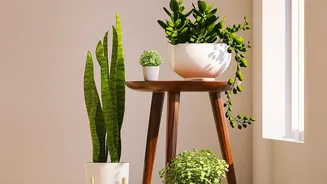
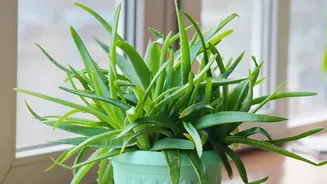
Known as one of the hardiest houseplants, the Snake Plant (Dracaena trifasciata) is perfect for beginners and busy professionals. Its tall, architectural leaves grow vertically, taking up minimal desk or floor space. It tolerates low light and infrequent watering, making it incredibly low-maintenance. A unique quality of the Snake Plant is that it releases oxygen at night, which makes it an excellent choice for bedrooms and workspaces that double as living quarters. It's celebrated for its ability to filter pollutants like formaldehyde and benzene.
The Spider Plant: The Prolific Purifier
The Spider Plant (Chlorophytum comosum) is another champion of clean air and easy care. It's known for being one of the best plants for removing carbon monoxide and other toxins from the air. Its arching leaves and the 'spiderettes'—small baby plants that dangle from the main plant—create a dynamic and lush look. These plants are adaptable to various light conditions and are quite resilient if you occasionally forget to water them. They are perfect for hanging baskets or placing on a shelf where their offshoots can cascade down. Plus, they are non-toxic to pets, making them a safe choice for households with furry friends.
The Peace Lily: Elegant and Effective
With its glossy green leaves and elegant white blooms, the Peace Lily (Spathiphyllum) adds a touch of sophistication to any space. It’s highly effective at filtering common indoor pollutants, including ammonia, which can be found in some cleaning products. Peace Lilies thrive in low to medium indirect light and will even tell you when they need water—their leaves will start to droop slightly. This makes them a great communicative plant for those learning to develop a green thumb. They add beauty while quietly working to clean the air in your home office.
The ZZ Plant: The Unkillable Option
The ZZ Plant (Zamioculcas zamiifolia) is renowned for its ability to survive neglect, making it a go-to for those who feel they have a 'black thumb'. Its wide, dark green, waxy leaves bring a touch of the tropics indoors and are excellent at reflecting light, which can brighten up a dim corner. The ZZ Plant is extremely drought-tolerant due to its rhizomatous roots, which store water, meaning it needs watering only infrequently. It handles low-light conditions with ease, making it a fantastic choice for an apartment office that doesn't get a lot of sun. While it’s a slower grower, its resilience and striking appearance make it a valuable green addition.