

The Great Weighing Scale Myth
For years, culinary experts have championed weighing ingredients over using volume measures like cups. And they are right; using a scale is far more accurate and consistent. However, it's not the final word in recipe success. Think of a recipe as a scientific
formula where the weights are just one part of the equation. Many other variables can dramatically alter the final product, from the temperature of your kitchen to the way you mix the batter. Understanding these hidden factors is the key to moving from a cook who just follows instructions to one who truly understands their craft. When you know the 'why' behind the steps, you can troubleshoot on the fly and adapt any recipe to your specific kitchen environment, ensuring delicious results every time.
The Temperature Tango
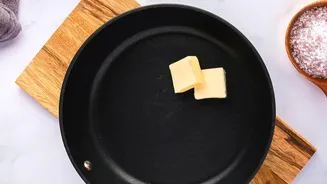
One of the most underestimated factors in cooking and especially baking is ingredient temperature. When a recipe calls for “room temperature” butter and eggs, there's a critical scientific reason behind it. Ingredients that are at a similar, warmer temperature (typically around 20-22°C) form an emulsion more easily. This process traps air, and when baked, that trapped air expands, leading to a light, fluffy texture. Using cold butter prevents it from creaming properly with sugar, meaning it can't trap air effectively. Cold eggs or milk can cause the fat in your batter to seize and harden, resulting in a lumpy mixture and a dense, unevenly baked final product. Temperature control is a silent instruction in almost every recipe, and respecting it can make the difference between a dense, flat cake and a light, airy masterpiece.
The Invisible Influence of Humidity
Have you ever noticed that a bread dough feels stickier on a rainy day? That’s not your imagination. The humidity in your kitchen is an invisible ingredient that can wreak havoc on your recipes. Ingredients like flour, sugar, and salt are hygroscopic, which means they absorb moisture from the air. On a high-humidity day, your flour already contains more water than the recipe developer might have intended. This can lead to overly slack and sticky doughs, cakes with a gummy texture, or cookies that spread into thin wafers. Conversely, in a very dry environment, you might find your dough is too stiff because the flour requires more liquid. A good cook learns to read the dough, adding a little extra flour on a humid day or a touch more water when the air is dry, adjusting for the weather to achieve the perfect consistency.
Your Oven's Secret Personality
No two ovens are exactly alike. A recipe that tells you to bake at 180°C for 30 minutes is providing a guideline, not an unbreakable rule. Most home ovens are not perfectly calibrated; they can run hotter or colder than the dial suggests. Many also have 'hot spots,' areas that cook faster than others. This is why a good recipe provides sensory cues for doneness. It will tell you to bake until a cake is 'golden brown and a skewer inserted into the centre comes out clean,' rather than just relying on time. A recipe writer has no way of knowing the specifics of your appliance. To become a better baker, get to know your oven. An inexpensive oven thermometer can reveal its true temperature, and rotating your baking trays halfway through can help ensure everything cooks evenly, preventing burnt edges and raw centres.
Technique and Ingredients Matter
Beyond temperature and environment, the specific ingredients and techniques you use play a massive role. The instruction to 'fold' in egg whites is different from 'stirring' for a reason—one aims to preserve air, the other doesn't. Over-mixing a cake batter can develop too much gluten, leading to a tough, chewy texture. Furthermore, not all ingredients are created equal. The protein content in flour varies significantly between brands, affecting everything from gluten development to moisture absorption. One 'large' egg can vary in weight, and different types of salt have different levels of saltiness by volume. A reliable recipe will be specific, but a skilled cook knows that their technique—how they mix, knead, and handle the ingredients—is one of the most powerful variables they control.