
The Two Types of Dietary Iron
Iron is an essential mineral that our bodies need to produce red blood cells and transport oxygen. But not all iron is created equal. There are two main forms found in food: heme and non-heme iron. Heme iron, found in animal products like meat, poultry,
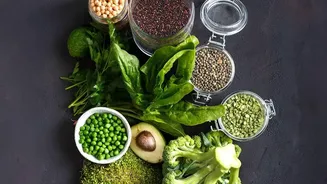
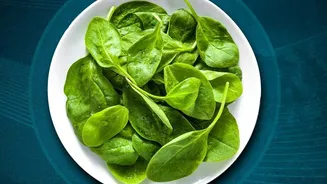
and fish, is easily absorbed by the body. In contrast, non-heme iron, which comes from plant-based sources like lentils, beans, spinach, and tofu, is harder for our bodies to absorb. The body only absorbs between two and ten percent of the non-heme iron consumed. This difference in absorption is a key reason why those following vegetarian or vegan diets need to be more mindful of their iron intake and how they can maximize what their bodies can use.
Vitamin C: The Key to Unlocking Plant Iron
This is where vitamin C comes to the rescue. Decades of nutritional research confirm that vitamin C, also known as ascorbic acid, is a powerful enhancer of non-heme iron absorption. When you consume vitamin C alongside a plant-based iron source, it works its magic in two ways. First, it helps convert the iron from its ferric (Fe3+) state to the more soluble ferrous (Fe2+) state, which is the form our intestines can readily absorb. Second, it forms a protective compound with the iron, which prevents it from being locked up by dietary inhibitors. Studies have shown this simple pairing can increase iron absorption significantly, with some research indicating it can increase uptake by two to four times, and in some cases even more, effectively doubling or tripling the iron your body gets from a meal.
Beyond Citrus: Perfect Pairings for Your Plate
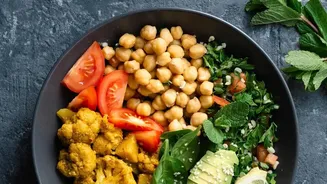
While the headline mentions citrus on greens, the possibilities are far broader and more delicious. The goal is to combine a food high in non-heme iron with a food high in vitamin C in the same meal. You only need about 50-100mg of vitamin C to see a significant effect. Here are some effortless and effective combinations to try: a spinach salad with strawberries and a lemon vinaigrette; a lentil soup finished with a generous squeeze of lemon juice; a tofu or chickpea stir-fry packed with red and yellow bell peppers; oatmeal topped with fresh berries or kiwi; or a simple bean burrito served with a side of fresh tomato salsa. Even adding tomato chutney to a wheat-based meal has been shown to boost absorption.
Expand Your Vitamin C Horizons
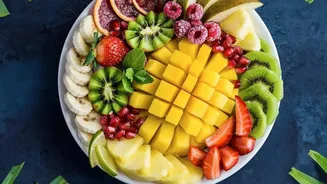
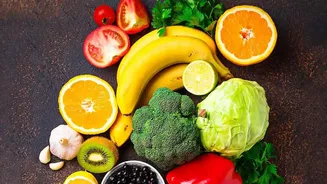
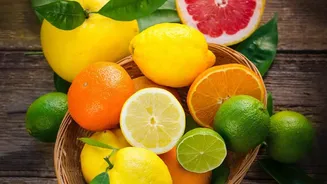
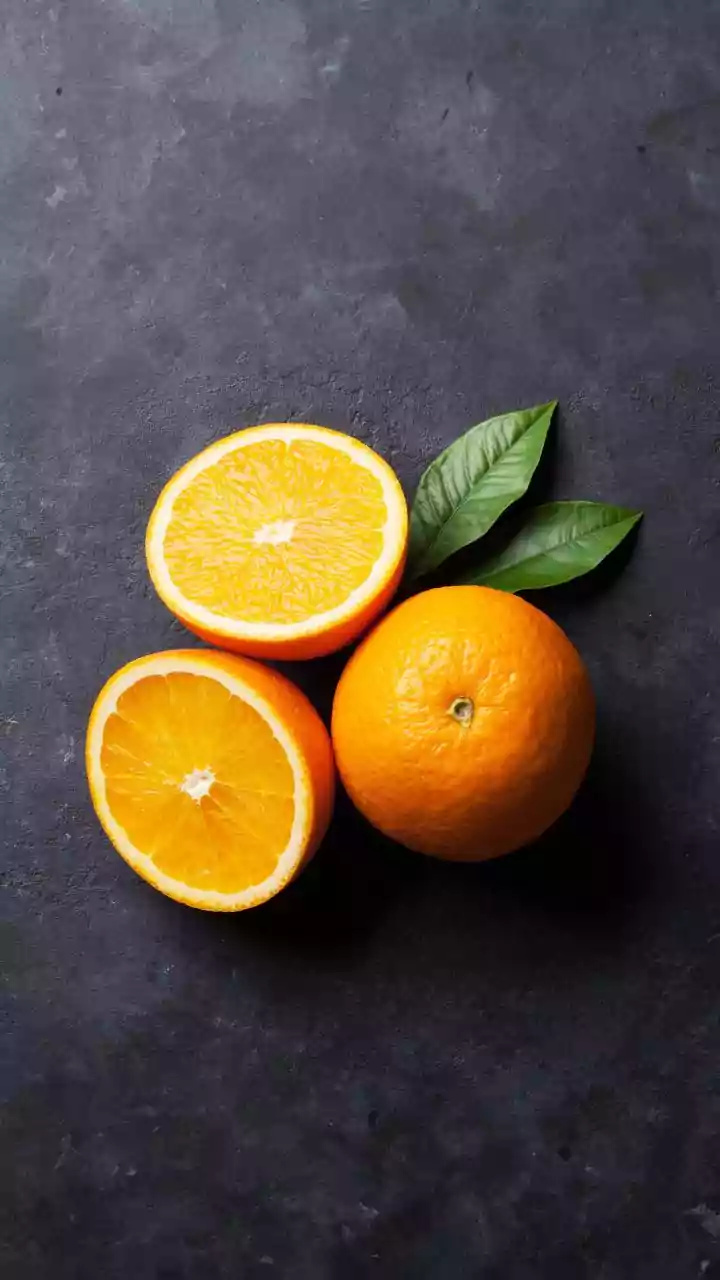
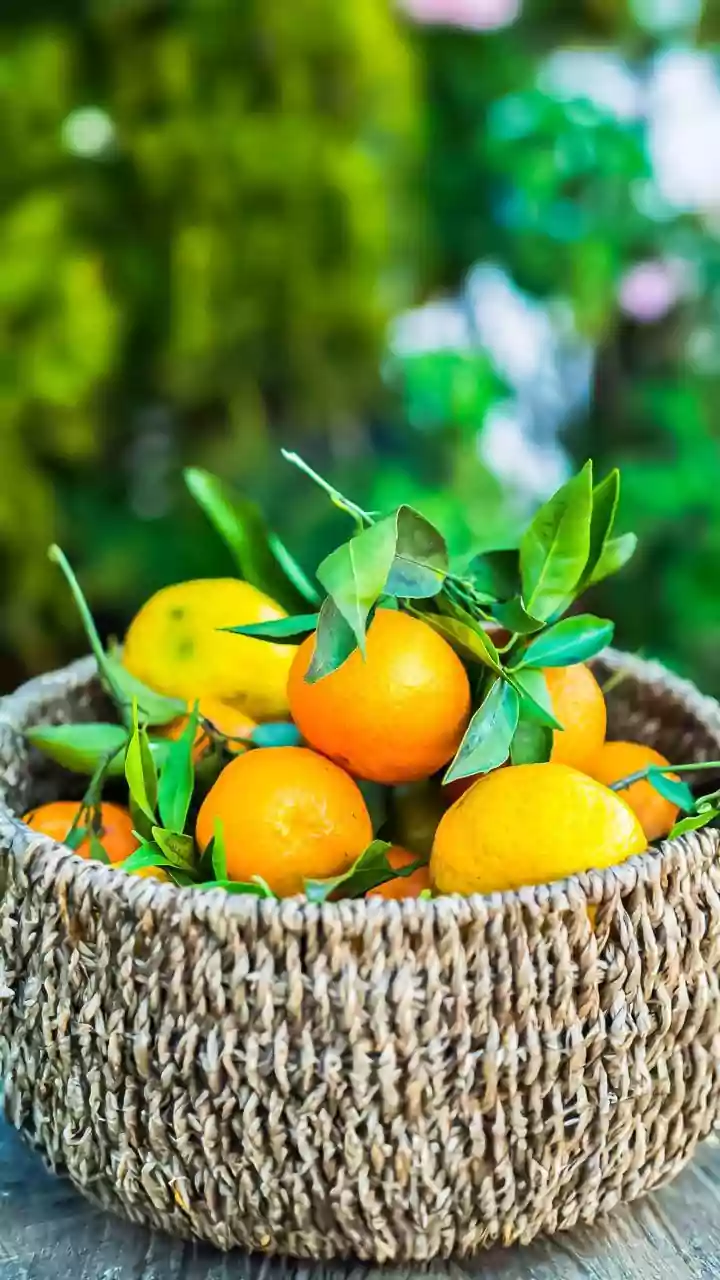
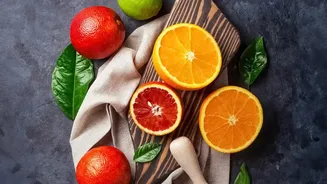
Citrus fruits like oranges and lemons are fantastic sources of vitamin C, but they are far from the only option. To keep your meals interesting and maximize your iron absorption, incorporate a wide variety of vitamin C-rich foods. Excellent choices include bell peppers (especially red and yellow), broccoli, Brussels sprouts, tomatoes, strawberries, kiwi, papaya, and even potatoes. A half-cup of bell peppers or a single medium orange can provide enough vitamin C to make a difference in your next iron-rich meal. By knowing the wide range of foods that contain this essential vitamin, you can easily ensure most of your meals are optimized for iron absorption without feeling repetitive.
What to Avoid When Eating Iron-Rich Meals
Just as vitamin C can enhance iron absorption, other compounds can inhibit it. Phytates, found in whole grains and legumes, and tannins, commonly found in tea and coffee, can bind to non-heme iron and make it unavailable to your body. Calcium can also slightly inhibit iron absorption. This doesn't mean you should avoid these healthy foods. Simple strategies can help mitigate their effects. For example, soaking, sprouting, or fermenting grains and legumes can reduce their phytate content. More practically, try to avoid drinking coffee or black tea with your iron-rich meals; instead, enjoy them at least an hour before or after. By being mindful of timing, you can avoid undoing the good work of your iron and vitamin C pairings.