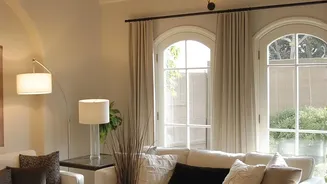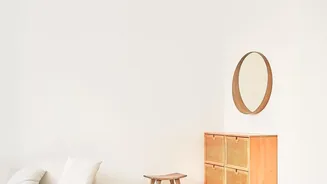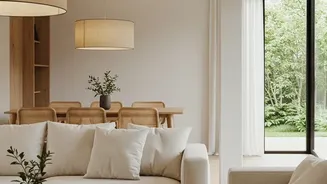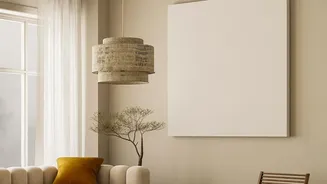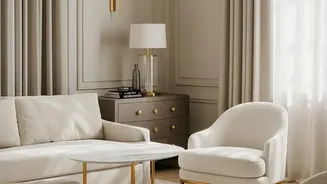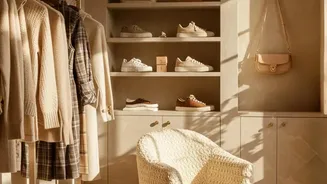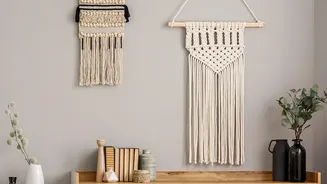

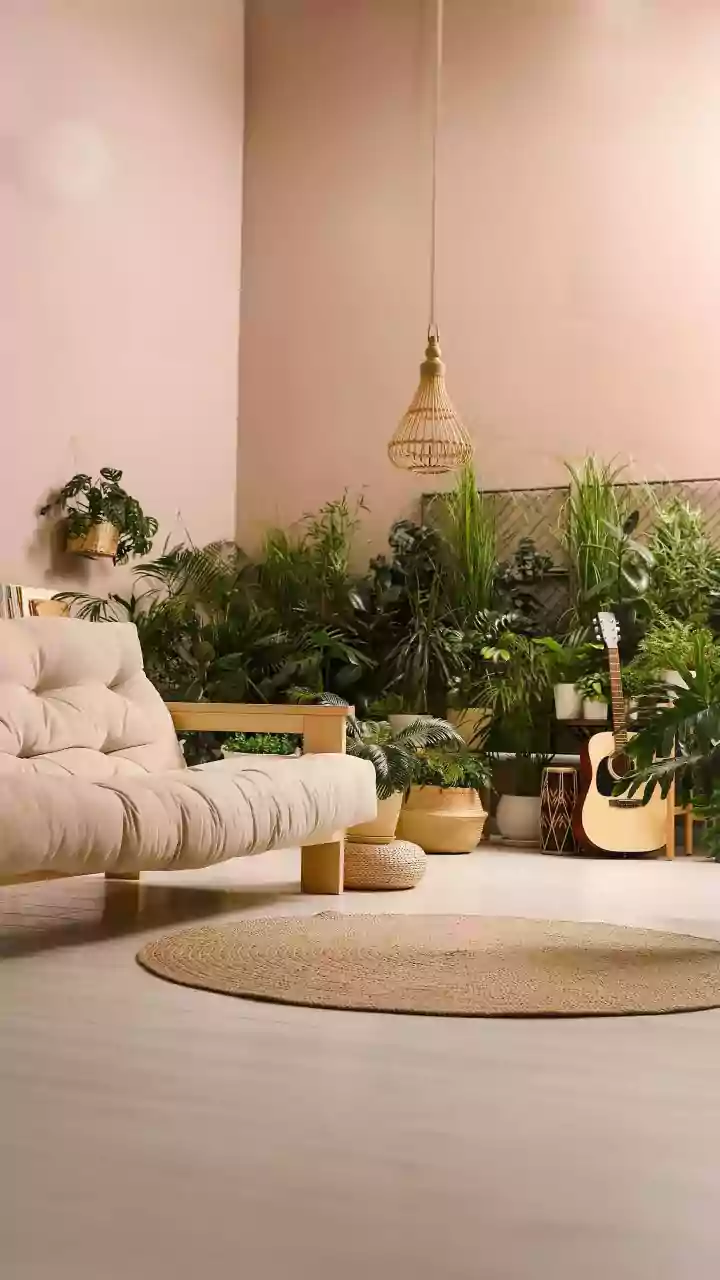
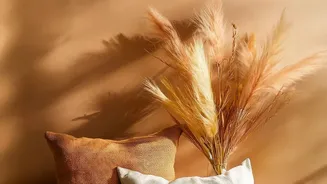
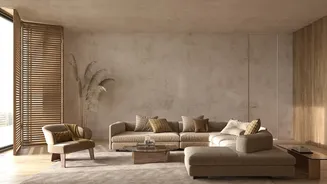
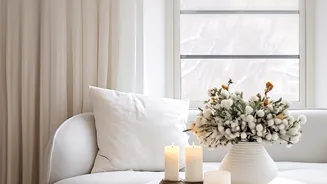
A neutral palette offers a timeless, calming foundation for any home. But there's a fine line between serene and sleepy. The secret to keeping beige, grey, or white from feeling one-dimensional lies in texture, specifically subtle geometric weaves.
The Comfort of a Neutral Canvas
There
is a reason interior designers and homeowners consistently return to neutral colour schemes. Shades of cream, taupe, soft grey, and warm white create a tranquil and versatile backdrop that allows architectural details and personal style to shine. A neutral room feels clean, uncluttered, and sophisticated, offering a visual respite from the outside world. The danger, however, is that a room full of similar tones and flat surfaces can lack personality and warmth, feeling more like a blank slate than a finished space. Without variation, the eye has nowhere to rest, and the overall effect can be monotonous. The solution isn't to abandon your love for neutrals, but to introduce a new dimension: texture.
Why Texture Is Your Secret Weapon
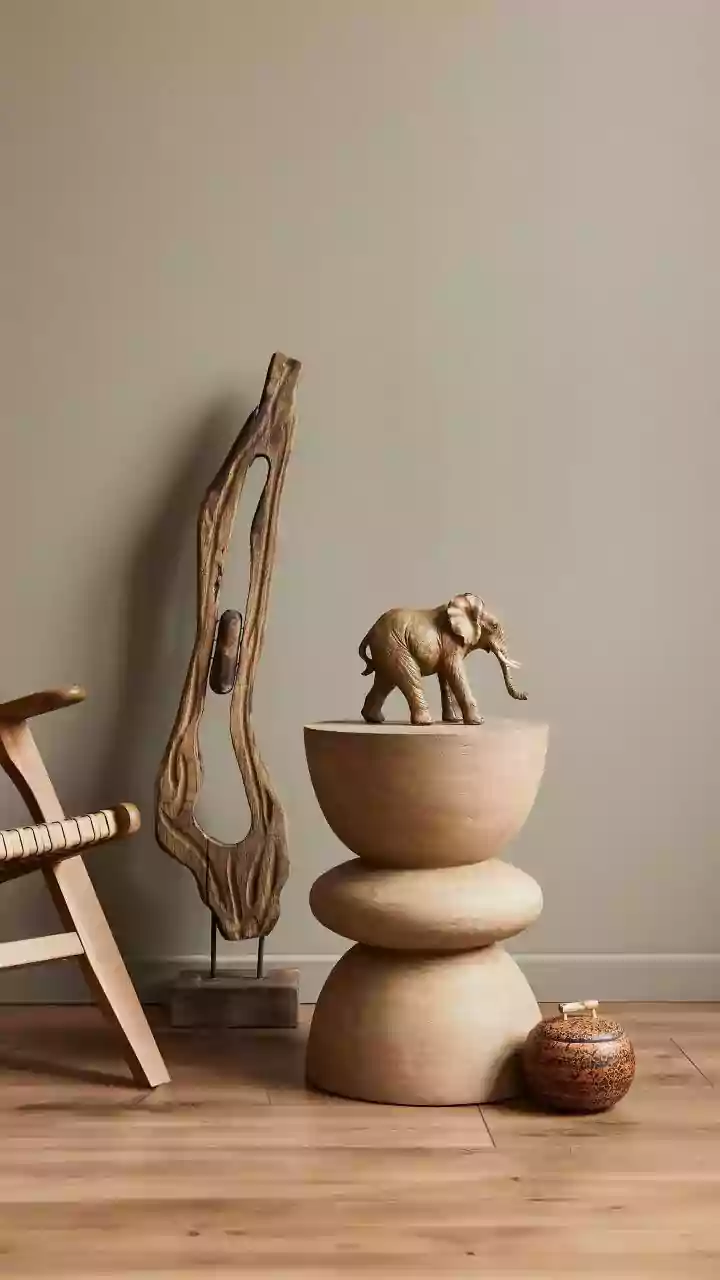
Texture is the key to creating depth and interest in a neutral interior. It refers to the surface quality of a material, engaging not just our sight but also our sense of touch. By layering different materials—a smooth leather chair, a rough-hewn wooden table, a soft wool throw—you create a rich, tactile experience that makes a room feel curated and inviting. Texture breaks up the monotony by creating subtle shifts in how light is absorbed and reflected, adding visual weight and character without the need for bright colours. Among the most effective tools for adding this quiet complexity are fabrics with subtle, structured patterns woven directly into the cloth.
The Power of Patterned Weaves
When we talk about geometric patterns, it is easy to picture bold, graphic prints that command attention. However, a subtle geometric weave is different. Instead of a pattern being printed onto the surface, it is created by the way the threads interlace. From a distance, the fabric might read as a solid, textured plain; up close, the intricate pattern reveals itself. This creates a sophisticated, layered effect that adds visual rhythm without overwhelming the calm of a neutral palette. These weaves provide structure and a tailored finish, making them a perfect companion for minimalist, modern, and transitional design styles.
Weaves to Weave Into Your Home
Several classic weaves offer subtle geometric interest. Herringbone is a perfect example. Named for its resemblance to the bones of a fish, this V-shaped pattern is a variation of a twill weave. Unlike its bolder cousin, the chevron, herringbone features a broken zigzag, giving it a more understated, textural look. Another excellent option is a dobby weave, which uses a special loom to create small, repeating geometric figures like diamonds or dots directly in the fabric. Basketweaves, which form a simple checkerboard-like pattern, and small-scale houndstooth can also introduce gentle geometry. These weaves are often found in durable, high-quality fabrics like wool, linen, and cotton blends, making them ideal for upholstery, curtains, and cushions.
How to Incorporate Geometric Textures
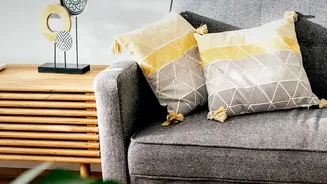
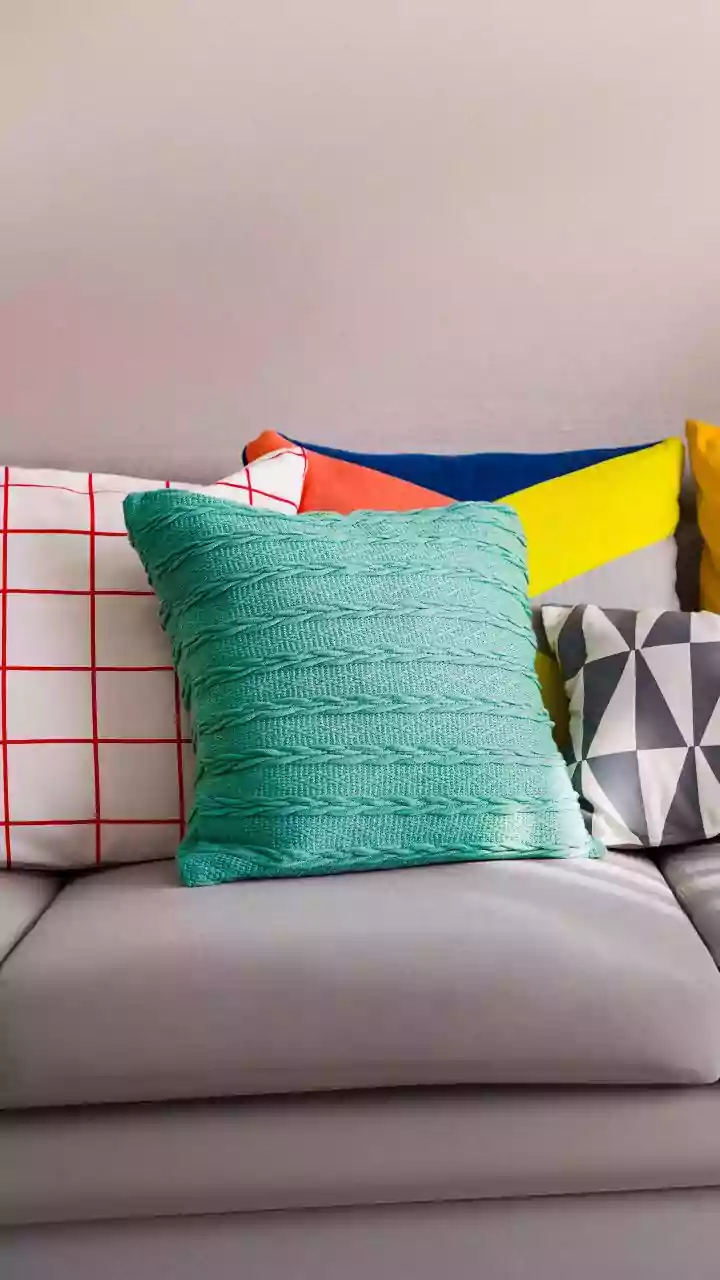
Layering these textures is simple and can be done incrementally. If you are just starting, begin with accessories. Throw pillows and blankets are an easy way to experiment with mixing different woven patterns. Try pairing a herringbone cushion with a chunky knit throw or a dobby-weave pillow on a linen sofa. A large area rug with a subtle geometric pattern can anchor a seating area and add immense warmth and texture underfoot. For a greater commitment, consider upholstery. A single armchair in a small-scale geometric weave can become a beautiful focal point without disrupting the room's serene feel. Curtains with a herringbone or other woven design can also add depth, as the texture interacts beautifully with natural light.