

First, A Quick Prep Note
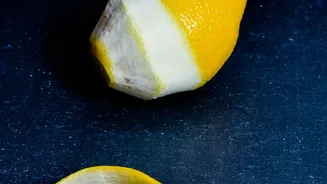
Before you begin, it’s important to prepare your lemons properly, especially since you'll be using the skin. If possible, opt for organic, unwaxed lemons. If you can only find waxed lemons, give them a good scrub with a vegetable brush under warm water
to remove the coating. A thorough wash and pat dry is all you need to do before you're ready to unlock the peel's potential.
Make Sweet Candied Peel
One of the most delightful ways to use lemon peels is to candy them. This turns the otherwise bitter rind into a sweet, chewy treat perfect for garnishing cakes, adding to fruit bread, or simply enjoying on its own. The process involves slicing the peels into strips, boiling them a few times to reduce bitterness, and then simmering them in a simple sugar syrup until they become soft and translucent. Once simmered, you can drain them from the syrup and roll them in granulated sugar. Let them dry on a wire rack for a few hours or overnight, and you'll have a delicious confection that can be stored in an airtight container for months.
Create a Zesty Lemon Powder
Imagine having the bright taste of lemon on hand at all times, ready to be sprinkled over any dish. By making lemon powder, you can. First, you need to completely dry out the peels. You can do this by leaving them in the sun, using a food dehydrator, or placing them in an oven on its lowest setting for several hours until they are brittle and crisp. Once the peels are fully dried, simply grind them into a fine powder using a spice grinder or a high-powered blender. This potent powder is wonderful mixed into salad dressings, stirred into yoghurt, or used in baked goods to add a concentrated burst of citrus flavour.
Craft Flavourful Lemon Salt
A simple way to elevate your seasoning game is by making lemon salt. After creating your lemon powder, mix one tablespoon of it with a cup of salt for a fragrant and delicious seasoning perfect for soups, pastas, or roasted vegetables. Another method involves using fresh peels. You can rub fresh lemon zest into coarse sea salt and let it air-dry to infuse the salt crystals with citrus oil. This zesty salt is fantastic for seasoning grilled fish, chicken, and even the rim of a cocktail glass.
Infuse Oils and Vinegars
Create your own gourmet infused oils and vinegars with leftover lemon peels. Simply add large strips of peel—try to avoid the bitter white pith—to a bottle of good-quality olive oil or white vinegar. Seal the container and let it sit in a cool, dark place for a couple of weeks, giving it an occasional shake. The result is a beautifully aromatic oil perfect for salad dressings and marinades, or a zesty vinegar that can brighten up sauces and pickles. This is a simple trick that adds a professional touch to your everyday cooking.
Make a Soothing Lemon Peel Tea
The peels can be used to make a simple and refreshing tea. You can use fresh peels, but dried ones work best for long-term storage. To dry them for tea, simply place strips of zest on a baking sheet in a low-temperature oven for a few hours. Once dried, you can store them in an airtight container. To brew, just steep a few strips of the dried peel in hot water for five to ten minutes. For extra flavour, consider adding ginger or cinnamon sticks to your brew.
Don't Forget About Zest
While these recipes use the whole peel, never underestimate the power of simple zest. The yellow outer layer contains concentrated essential oils that provide intense lemon flavour without the acidity of the juice. Before juicing a lemon, use a grater to remove the zest. You can add it fresh to pastas, salads, and baked goods. If you don't need it right away, zest can be frozen in small portions for later use, ensuring you always have that bright flavour ready to go.