




An Ornamental and Edible Delight
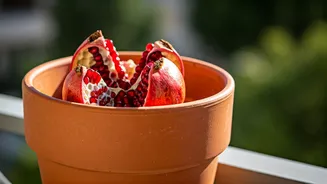
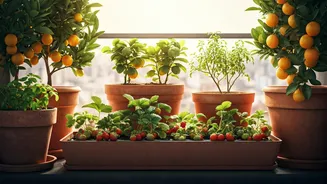
Growing pomegranates (Punica granatum) in containers is a fantastic project for urban gardeners. These plants are more than just a source of fruit; they are highly attractive ornamentals. With glossy green leaves and vibrant orange-red flowers that bloom
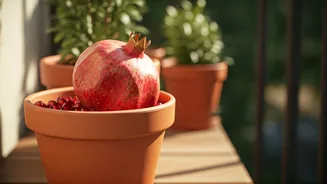
before fruiting, they add a splash of colour and beauty to any terrace or balcony. Pomegranates are naturally suited for container life due to their compact growth habit and relatively shallow roots. They are also self-pollinating, meaning you only need one plant to get fruit, making them perfect for small spaces.
Choosing the Right Variety
While standard pomegranate trees can be quite large, several dwarf and compact varieties are ideal for pots. The ‘Nana’ variety is a popular dwarf type, often grown as an ornamental, but its small, golf-ball-sized fruits are also edible. For those seeking impressive fruit, varieties like 'Bhagwa', 'Ganesh', and 'Mridula' are excellent choices often used in commercial farming in India and adapt well to large containers. Another great option is 'Red Silk', a naturally dwarf variety that stays small and is great for container gardeners. When you purchase a sapling from a nursery, you are likely getting a plant that is already a year or two old, giving you a head start.
The Perfect Pot and Soil
Selecting the right home for your pomegranate is crucial. Start with a pot that is at least 12-18 inches deep and wide, ensuring it has ample drainage holes at the bottom to prevent waterlogging and root rot. As the tree matures, you may need to repot it into a larger container every 2-3 years. Pomegranates thrive in a well-draining, nutrient-rich soil. You can create an ideal mix by combining garden soil, compost or well-decomposed cow dung manure, and cocopeat or sand to improve drainage. The goal is a light soil that holds some moisture but allows excess water to escape easily.
Sunlight and Water Needs
Pomegranates are sun-loving plants that originate from warm, arid regions. To ensure healthy growth and abundant fruit, place your pot in a location that receives at least 6-8 hours of direct sunlight each day. A south-facing balcony is often the perfect spot. While established trees are drought-tolerant, container plants dry out faster and require consistent watering. Water the plant deeply whenever the top inch or two of soil feels dry to the touch. During hot summer months, you may need to water every couple of days, but always avoid letting the soil become soggy.
Feeding and Pruning for Success
Container plants have limited access to nutrients, so regular feeding is important. Apply a balanced organic fertiliser, like compost or vermicompost, every 4-6 weeks during the growing season. Some gardeners recommend a fertiliser higher in potassium and phosphorus to encourage flowering and fruit development. Pruning is also key to maintaining the plant's shape and productivity. In the late winter, trim any dead, damaged, or crossing branches to improve air circulation. You can also prune suckers from the base to encourage a more tree-like shape rather than a bushy shrub.
Harvesting Your Homegrown Jewels
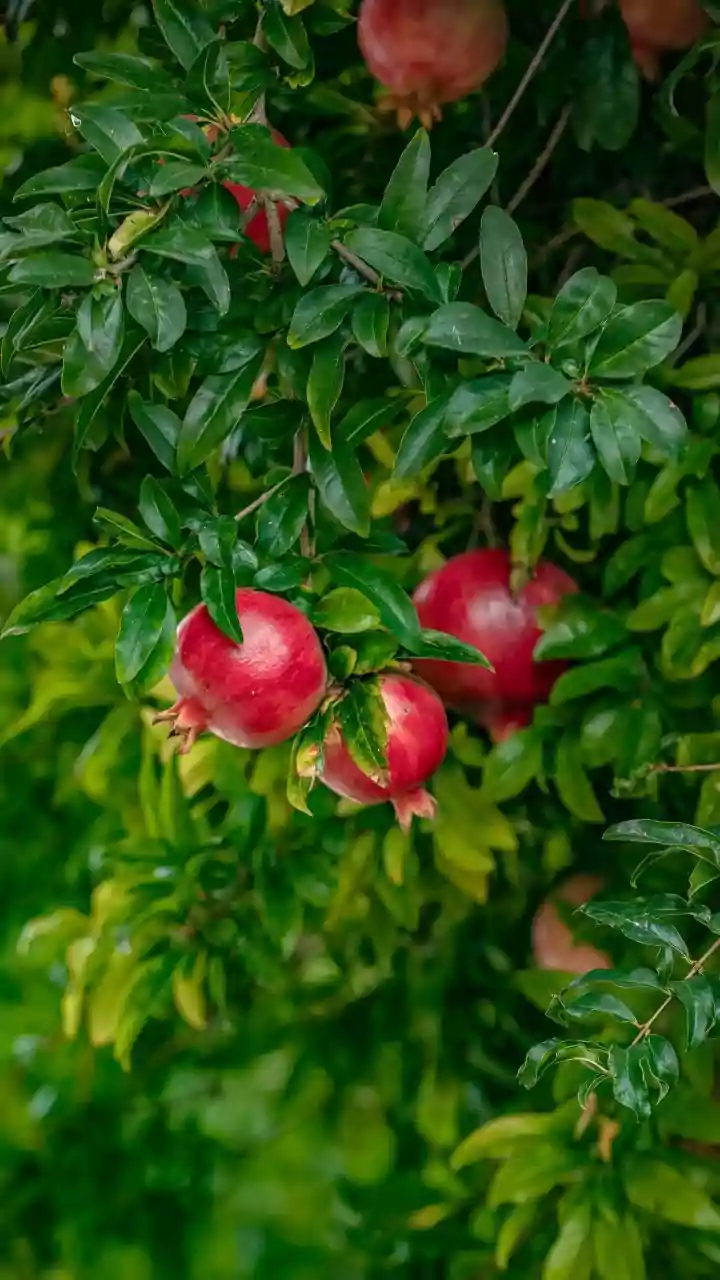
With proper care, a potted pomegranate plant can start bearing fruit within its second or third year. Patience is a virtue, as the fruit can take up to six months to ripen on the plant. You'll know the pomegranates are ready to harvest when they have developed a rich, deep colour and make a metallic sound when you tap them. Unlike some other fruits, pomegranates do not sweeten after being picked, so it's important to let them ripen fully on the tree. Once harvested, the fruits can be stored for several months in cool, dry conditions.