
The Fear of the Curdle
Almost every home cook has faced this culinary tragedy: you pour perfectly smooth, whisked dahi into a hot pan, and within seconds, it transforms into a sad, separated mixture of grainy white specks in a watery whey. This process, known as curdling or splitting,
is the number one reason many cooks hesitate to use dahi as a curry base. It happens because dahi is an emulsion of milk proteins, fat, and water. When it hits high heat too quickly, the proteins tighten up, squeezing out the water and breaking the smooth emulsion. This 'thermal shock' is what ruins the texture of gravies, turning what should be a creamy, luscious dish into an unappetizing one. But this doesn't mean dahi is a forbidden ingredient in hot dishes; it just demands a bit of culinary science and technique.
Fact: The Secret is Temperature Control
The key to a perfect dahi-based curry is managing the temperature. There are a few tried-and-true methods to prevent curdling. First, always bring your dahi to room temperature before using; adding cold dahi to a hot gravy is a guaranteed recipe for disaster. Second, whisk the dahi until it's completely smooth and free of lumps. Some chefs even add a stabilizing agent, like a teaspoon of besan (gram flour) or cornstarch, to the dahi before adding it to the pan. This gives the proteins extra protection. Third, and most importantly, is tempering. Instead of pouring the dahi directly into the hot curry, do it the other way around. Take a few spoonfuls of the hot gravy and whisk them vigorously into the bowl of dahi. This gently raises the dahi's temperature, acclimatizing it before it's introduced to the main pot. When you do add the tempered dahi mixture back into the curry, make sure the flame is on low or even switched off, and stir constantly until it's fully incorporated.
Myth: Cooking Dahi Makes it Unhealthy
A common belief is that heating dahi destroys all its nutritional benefits. This is only partially true. Dahi is prized for its probiotics, the live beneficial bacteria that are great for gut health. It's true that high heat will kill most of these probiotics. So, a hot dish like kadhi won't offer the same probiotic punch as a bowl of fresh, raw dahi. However, the other nutritional benefits remain largely intact. Dahi is an excellent source of calcium, protein, and B vitamins, and these nutrients are not destroyed by cooking. So, while you might lose the probiotic benefit, you're still getting a nutritious, protein-rich base for your curry. Think of it as a different application of the ingredient, not a complete nutritional loss.
Fact: Not All Dahis Are Created Equal
The type of dahi you use can make a significant difference. Full-fat dahi is much more stable for cooking than low-fat or non-fat versions. The higher fat content acts as a buffer, protecting the proteins from the shock of the heat and making it less likely to curdle. This is why recipes for rich gravies often call for full-cream dahi. The result is not only safer from splitting but also creamier and richer in flavour. While low-fat dahi can be used, it requires much more care and is far less forgiving. The acidity of the dahi also plays a role; a very sour dahi can sometimes be more prone to splitting when it interacts with other ingredients in the gravy.
Ayurveda’s View: Context is Key
Ayurveda has a nuanced perspective on dahi. Traditional texts often classify it as 'heating' (ushna) in nature, contrary to the popular belief that it's always cooling. This is due to its effect on digestion post-consumption. Ayurveda generally cautions against heating dahi, as it's believed to alter its properties and make it harder to digest. It also advises against consuming dahi at night, as it's considered to increase 'Kapha', potentially leading to mucus formation and congestion. While modern science doesn't fully align with all these views—for instance, there's no strong evidence that dahi at night causes colds in healthy individuals—this traditional wisdom highlights the importance of considering individual digestion and context when consuming food.
A Universe of Dahi Dishes
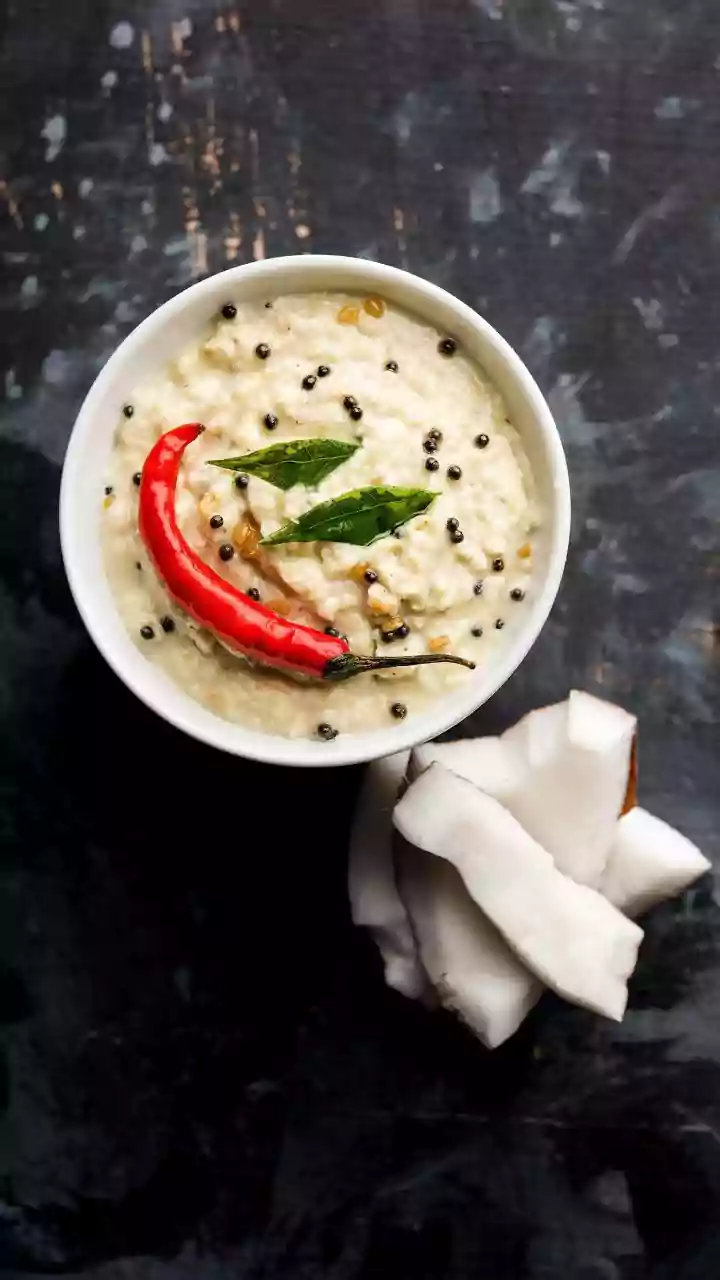
Once you master the technique, a whole world of dahi-based vegetable preparations opens up. In the North, you have the comforting Punjabi Kadhi Pakora, where a besan and dahi gravy is simmered for hours, and the simple yet elegant Dahi Aloo. Rajasthan boasts its own tangy Gatte ki Sabzi, often finished with a dahi gravy. Head south, and you'll find Kerala's Moru Curry or Pulissery, a lighter, subtler curry made with dahi, coconut, and vegetables like ash gourd or cucumber. Tamil Nadu has its own version called Mor Kuzhambu. Each of these dishes uses dahi not just for tanginess, but for its body, creaminess, and ability to carry spices in a unique way, proving its indispensable role in Indian vegetarian cuisine.